
Zimmer vs. StemWave: Why Precision and Performance Matter in Regenerative Technology
In today’s competitive healthcare market, clinics are presented with an expanding array of regenerative technologies. While devices like radial pressure wave systems and focused acoustic wave systems are often mentioned in the same conversation, their mechanisms of action, clinical impact, and business value differ greatly. These differences carry real consequences for patient outcomes, workflow efficiency, and practice growth.
This analysis compares Zimmer’s pneumatic shockwave technology with StemWave’s electrohydraulic acoustic wave system to help providers make informed decisions.
Radial pressure vs. focused acoustic energy
Zimmer’s enPuls system uses pneumatic radial pressure wave technology, generating a high-pressure, air-driven projectile inside the handpiece. When the projectile strikes a transmitter, mechanical pulses disperse outward in a cone-shaped pattern. Energy reaches only superficial tissue layers, typically no deeper than 5 mm, with intensity dropping by more than 80% beyond that depth.
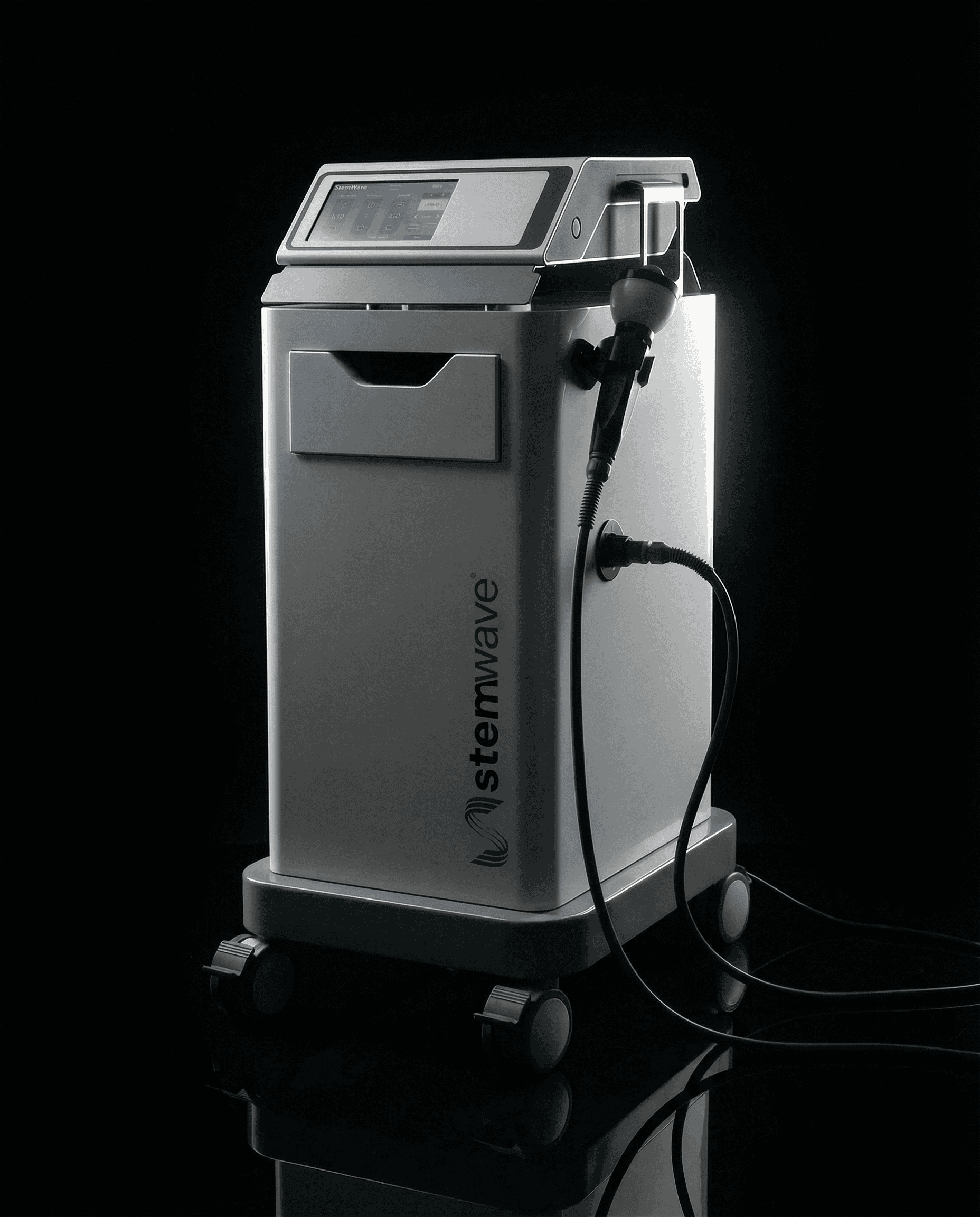
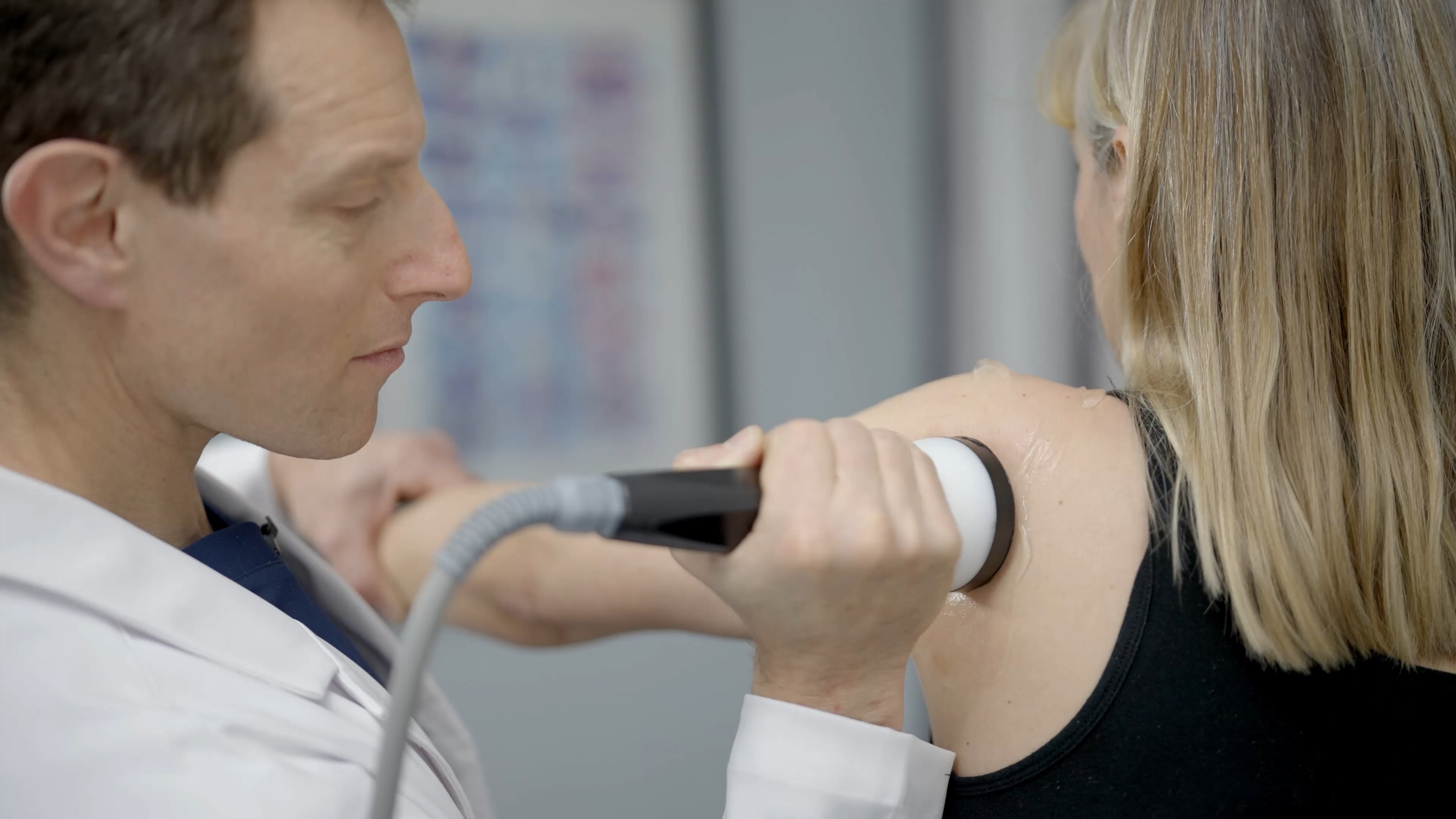
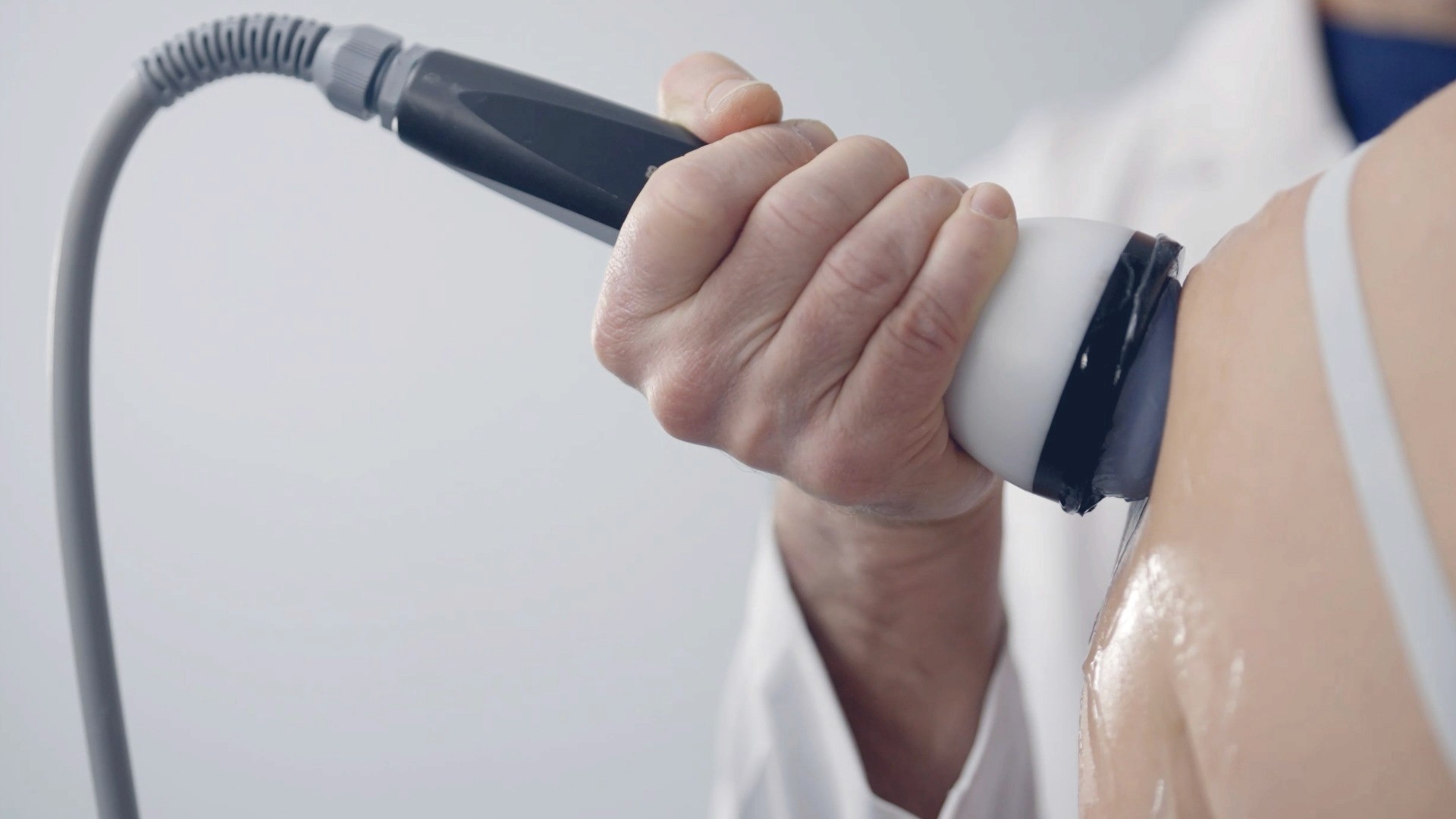
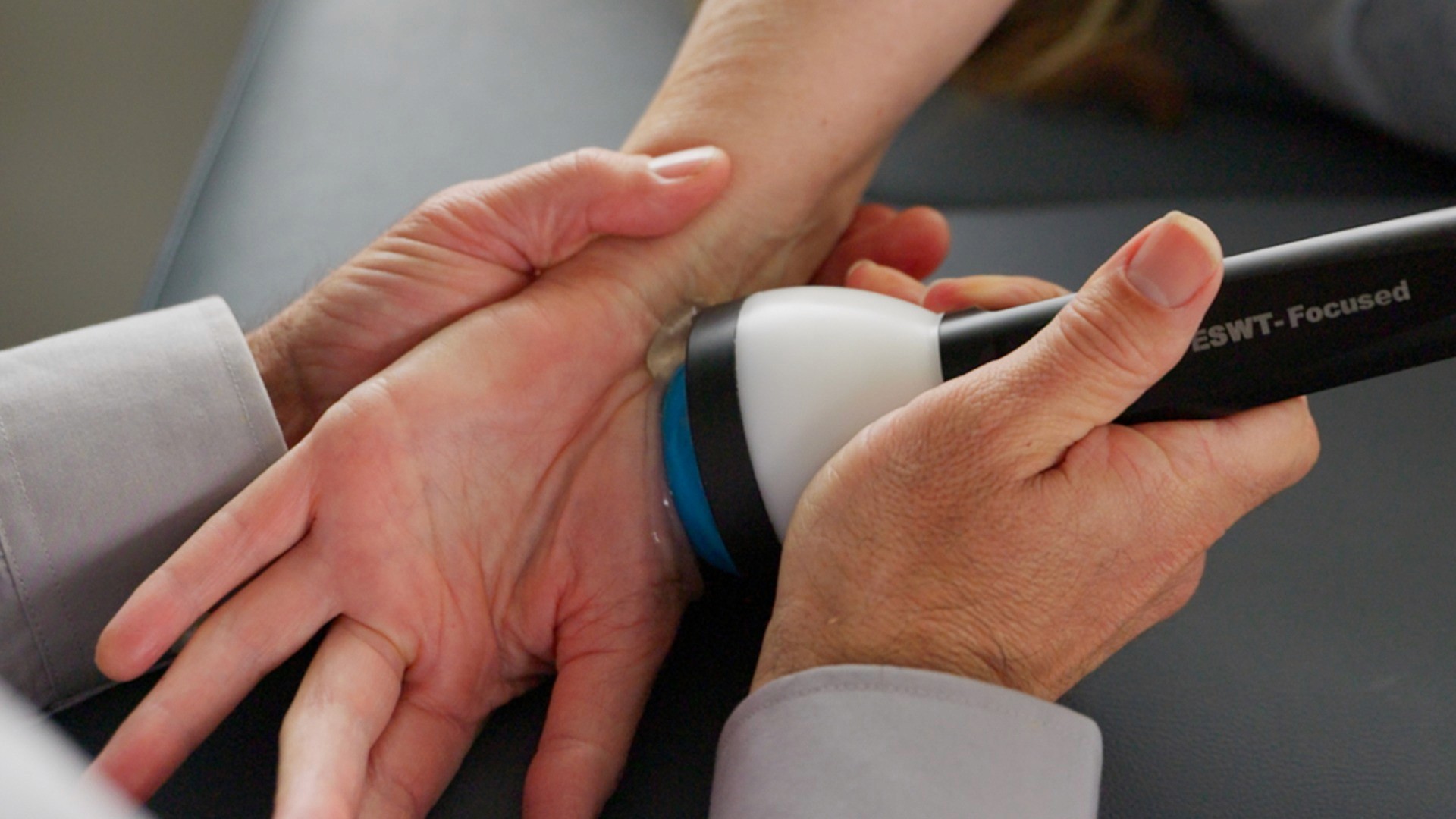
StemWave, in comparison, utilizes electrohydraulic acoustic wave technology—one of the most advanced forms of therapy available. This system penetrates up to 12 cm (nearly five inches) into tissue. The energy is delivered precisely to stimulate blood flow and regeneration to the inflamed or damaged tissue (without the microtrauma). This makes it especially effective for addressing chronic degeneration and inflammation in areas that superficial treatments can’t reach.
Clinical efficacy comparison: Patient outcomes and treatment protocols
Zimmer’s radial pressure wave technology has demonstrated benefits in superficial muscle tightness and mild tendon irritation. Treatments rely on preset parameters and general application, which can miss deep trigger points. Sessions typically last 15-20 minutes, and treatment plans often require 10-15 visits to achieve modest improvement.
StemWave, with its focused acoustic energy, delivers higher therapeutic impact in shorter sessions of just 5-10 minutes. Treatment plans typically involve 8-10 visits, and practices consistently report measurable improvement after the first session. Focused delivery ensures targeted therapy, leading to 80-95% positive outcomes and higher patient satisfaction.
Patients experience reduced pain, improved mobility, and faster return to activity. Providers see increased patient buy-in and retention and more referrals thanks to predictable, excellent results.
Clinical evidence analysis: research and long-term outcomes
Peer-reviewed studies have documented the limitations of radial pressure waves in treating deep or calcified conditions because they can’t deliver sufficient energy beyond superficial layers. Research supports the greater depth and precision of focused acoustic waves in treating conditions like plantar fasciitis with calcification, patellar tendinopathy, and deep bursitis.
Long-term outcome data for focused acoustic wave therapy show higher rates of sustained symptom resolution and improved function compared to radial methods. StemWave’s electrohydraulic technology aligns with these findings, making it a superior choice for treating chronic and complex musculoskeletal conditions.
Limitations assessment
An honest evaluation of each system highlights the specific limitations providers should weigh before making a decision.
Zimmer enPuls limitations: Radial energy doesn’t penetrate deeply enough for many chronic conditions, making it more appropriate for mild, superficial issues. Longer treatment times and more sessions can frustrate patients and providers.
StemWave limitations: Not suitable for patients with active cancer at the treatment site, pacemakers, or bleeding disorders. Most patients, however, tolerate the therapy well with minimal side effects.
Provider decision framework considerations
When selecting regenerative technology, providers should weigh the following:
Depth of treatment. For deeper or more chronic conditions, focused acoustic therapy provides greater therapeutic value.
Clinical applications. Radial systems may suffice for soft tissue tightness, but focused systems excel with tendinopathies, calcifications, and post-surgical rehab.
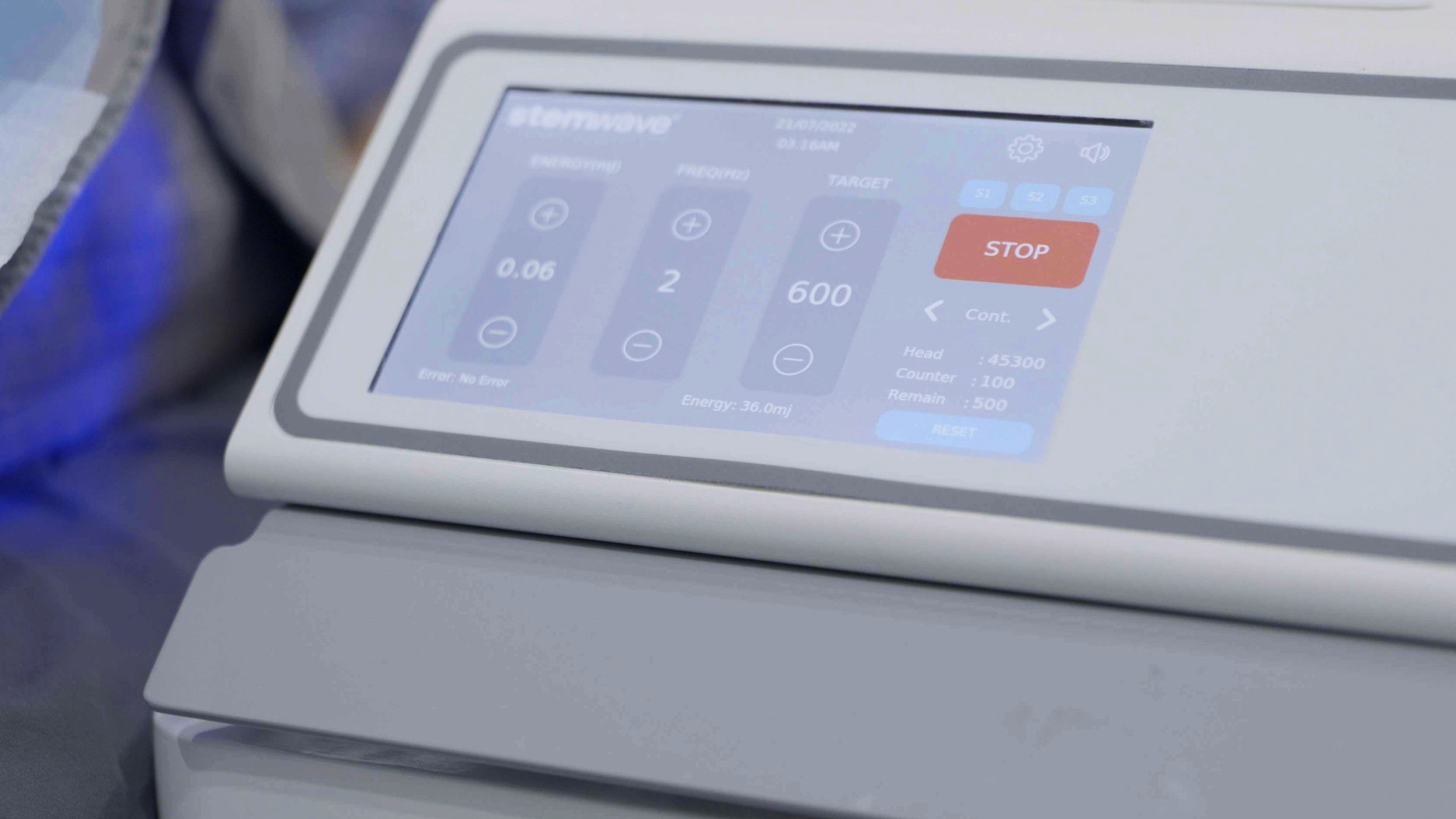
Patient experience. StemWave’s ability to use real-time feedback during treatment ensures more precise and personalized care.
Training and support. StemWave’s intuitive system requires minimal training, with ongoing support provided to ensure seamless integration.
Practice impact analysis: Implementation, workflow, and ROI
Integrating both devices remains simple, but StemWave’s Platinum Provider Program is the first of its kind to be released. The program comes with a dedicated Client Success Manager along with a full clinical advisory team ready to assist you in the ways you and your clinic need.
Workflow integration is also more efficient with StemWave. Focused sessions are shorter and more targeted, designed to free up your staff and schedule to do more, for less.
Financially, clinics offering StemWave treatments typically generate $5,000-25,000 in additional monthly revenue. The cash-based model, with session prices at about $100-$200, delivers a clear return on investment within months.
The bottom line: Depth, control, and predictable results
Zimmer helped introduce radial pressure wave therapy to the mainstream, offering a non-invasive option for mild, surface-level conditions.
But as regenerative care advances, more clinicians are choosing focused acoustic wave therapy for its precision, depth, and reliability. StemWave delivers measurable outcomes in deeper tissue, greater treatment control, and the operational efficiency that superficial methods can’t offer.
For clinics aiming to elevate their standard of care, shorten recovery timelines, and scale with a premium cash-based model, StemWave is more than just a device—it’s a clinical and strategic advantage.
Read more


"/><stop offset="1" stop-color="rgba(120, 120, 120, 0)"/></linearGradient></defs><path d="M 3.5 0 C 5.433 0 7 1.567 7 3.5 C 7 5.433 5.433 7 3.5 7 C 1.567 7 0 5.433 0 3.5 C 0 1.567 1.567 0 3.5 0 Z" fill="url(%23Yb_LPHN9p-114151446-linear-gradient)" height="7px" id="Yb_LPHN9p" transform="translate(1 1)" width="7px"/></svg>)

Everything you need to know about cutting edge medical device.
