
Faster Treatments and Better Results with StemWave
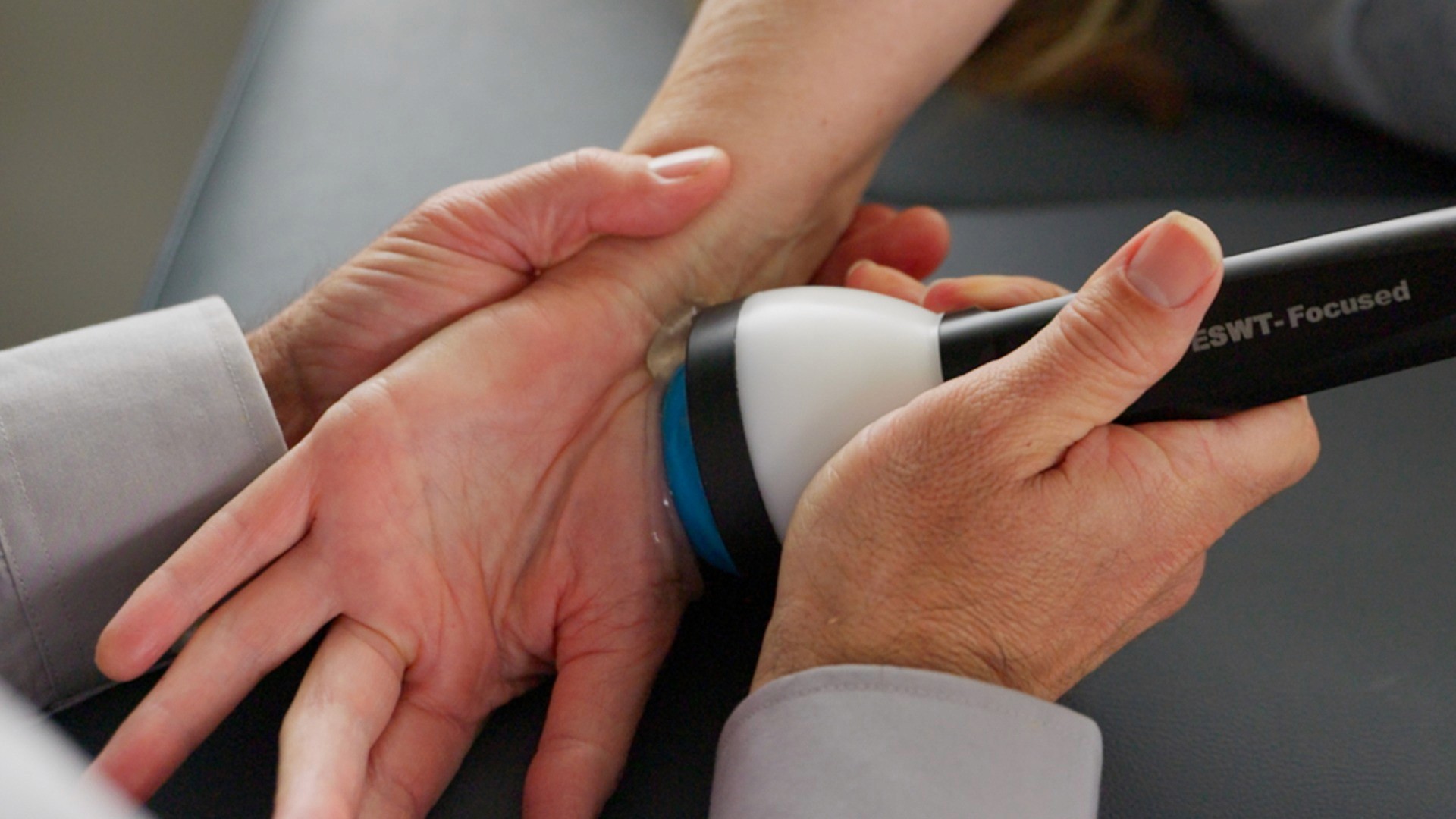
StemWave reduces treatment time per patient while delivering superior clinical outcomes compared to conventional modalities. A typical session runs 5-8 minutes of actual treatment time, patients require 8-12 total visits instead of indefinite weekly maintenance sessions, and measurable results appear on visit one rather than weeks later. For providers drowning in patient volume with diminishing returns per visit, this represents a fundamental shift in practice efficiency and profitability.
Where do traditional treatment methods fall short?
Traditional musculoskeletal treatments, though they have their place, tend to create a time trap that burns out providers and frustrates patients quickly.
Manual therapy requires physical effort from the provider for every minute of treatment. Therapeutic exercise demands supervision and instruction. Modalities like ultrasound and electrical stimulation need setup, monitoring, and documentation.
A single patient might consume 45-60 minutes of provider time. Multiply that across a full schedule, and burnout becomes inevitable. Your body breaks down. Your enthusiasm fades. The provider becomes the limiting factor in practice growth.
Worse, conventional care often requires indefinite treatment timelines. Patients return weekly for months. Maybe years. Improvement comes slowly, if at all. Both provider and patient enter a cycle of diminishing motivation where nobody’s sure if treatment is actually helping or just managing expectations.
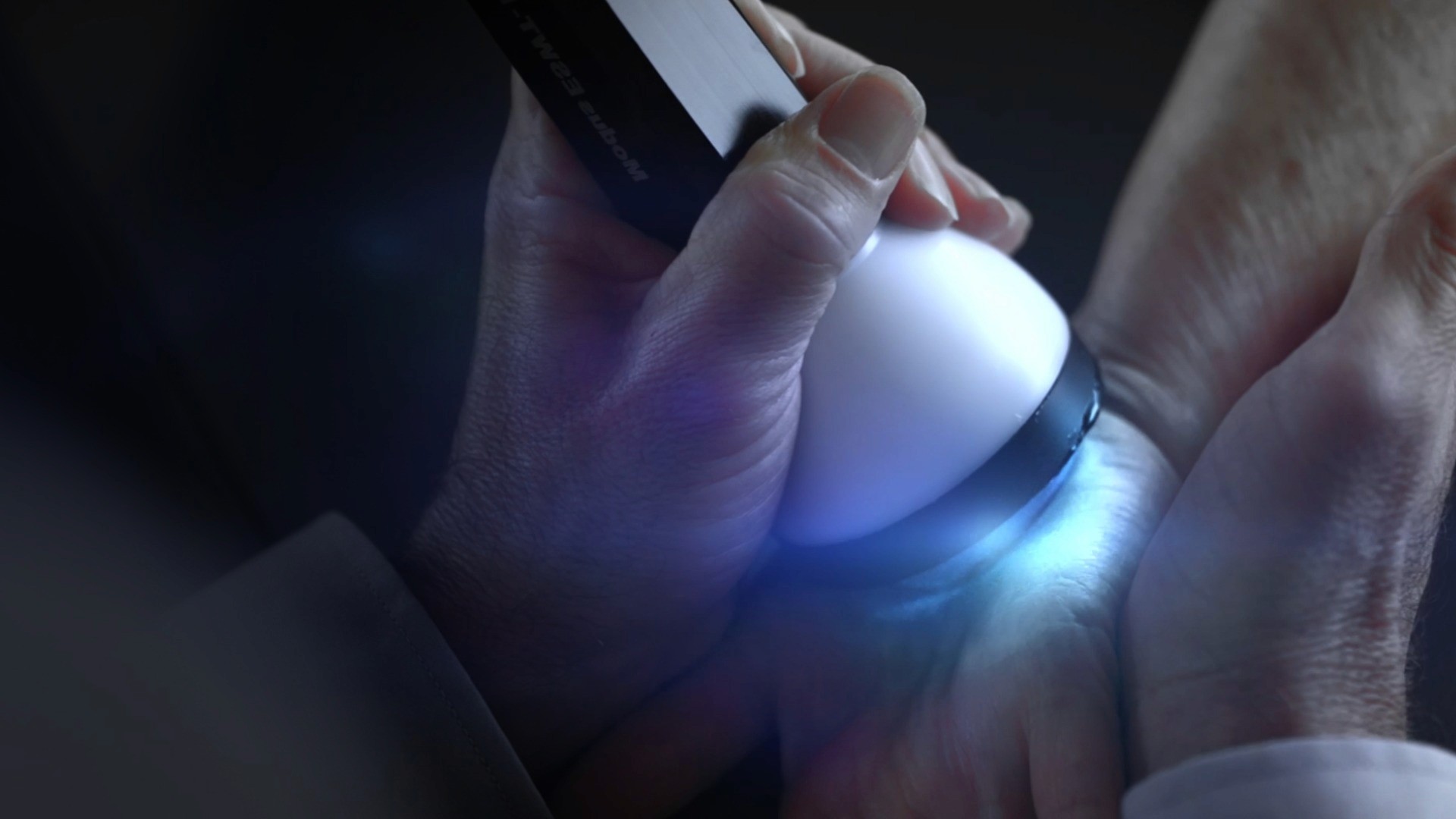
Watch this quick video to see how StemWave exceeds the expectations of traditional healthcare treatment methods.
How does stemwave change the treatment equation?
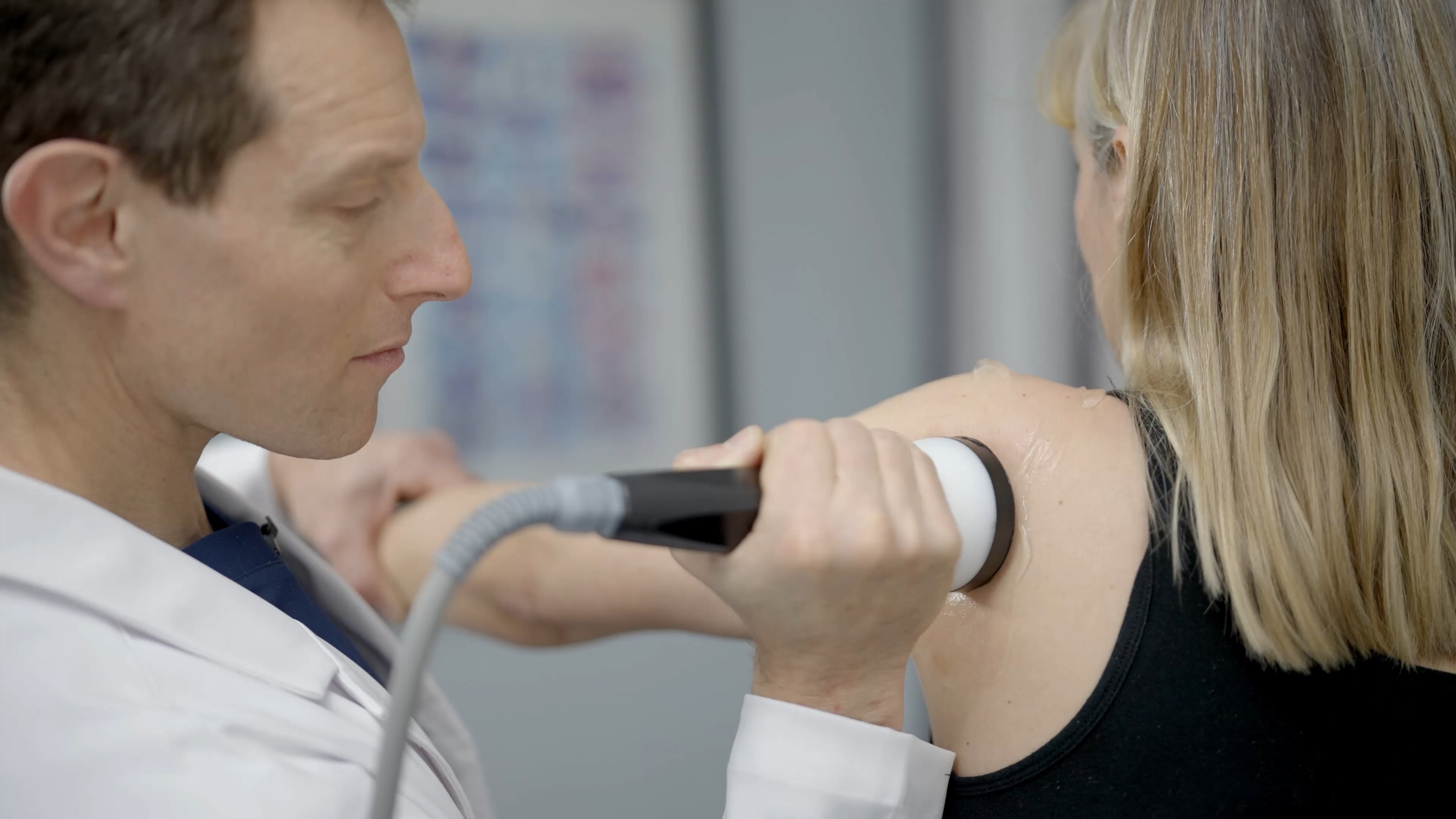
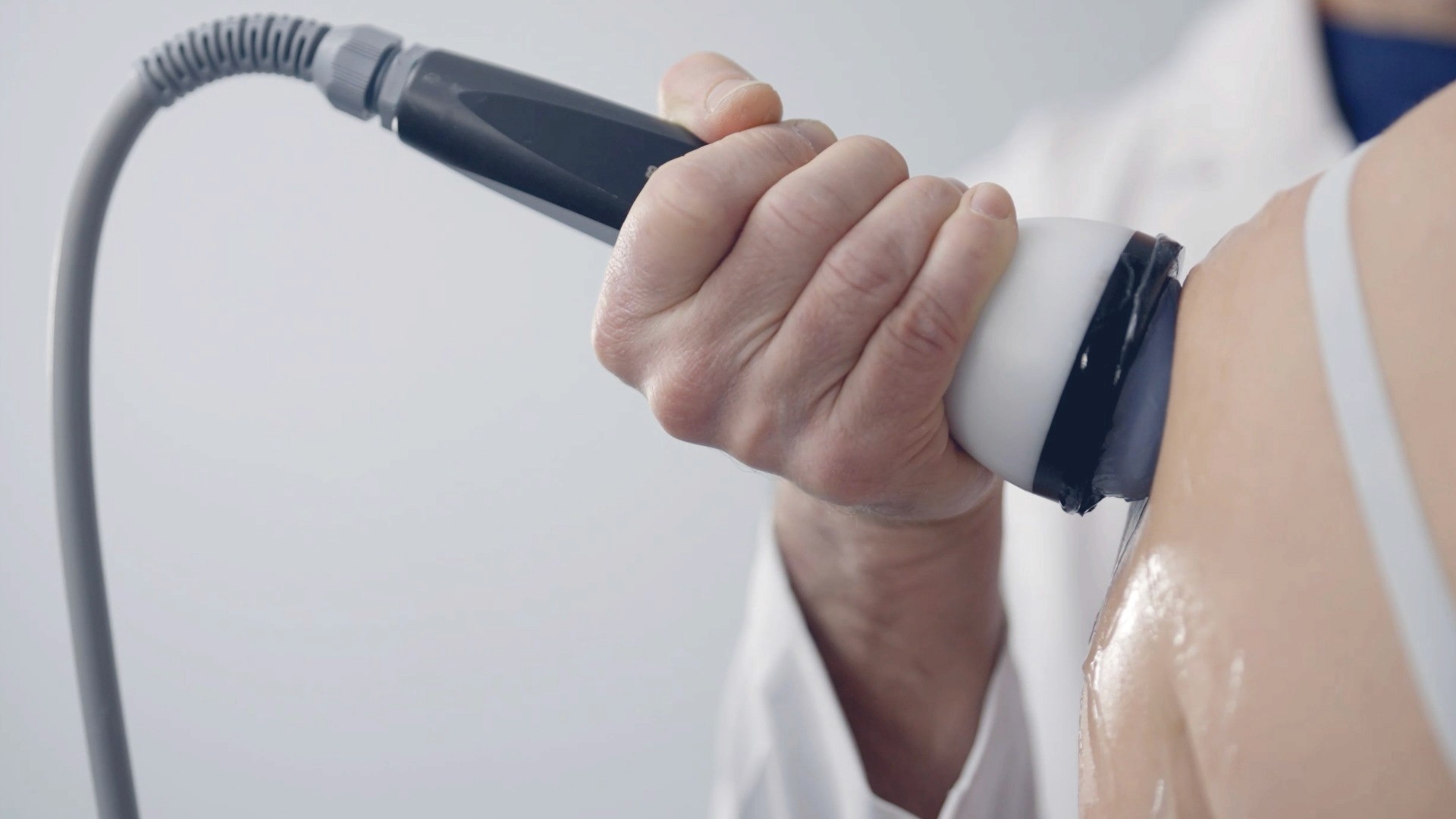
The treatment itself takes 5-8 minutes per area. Position the device. Deliver the therapy. Reassess.
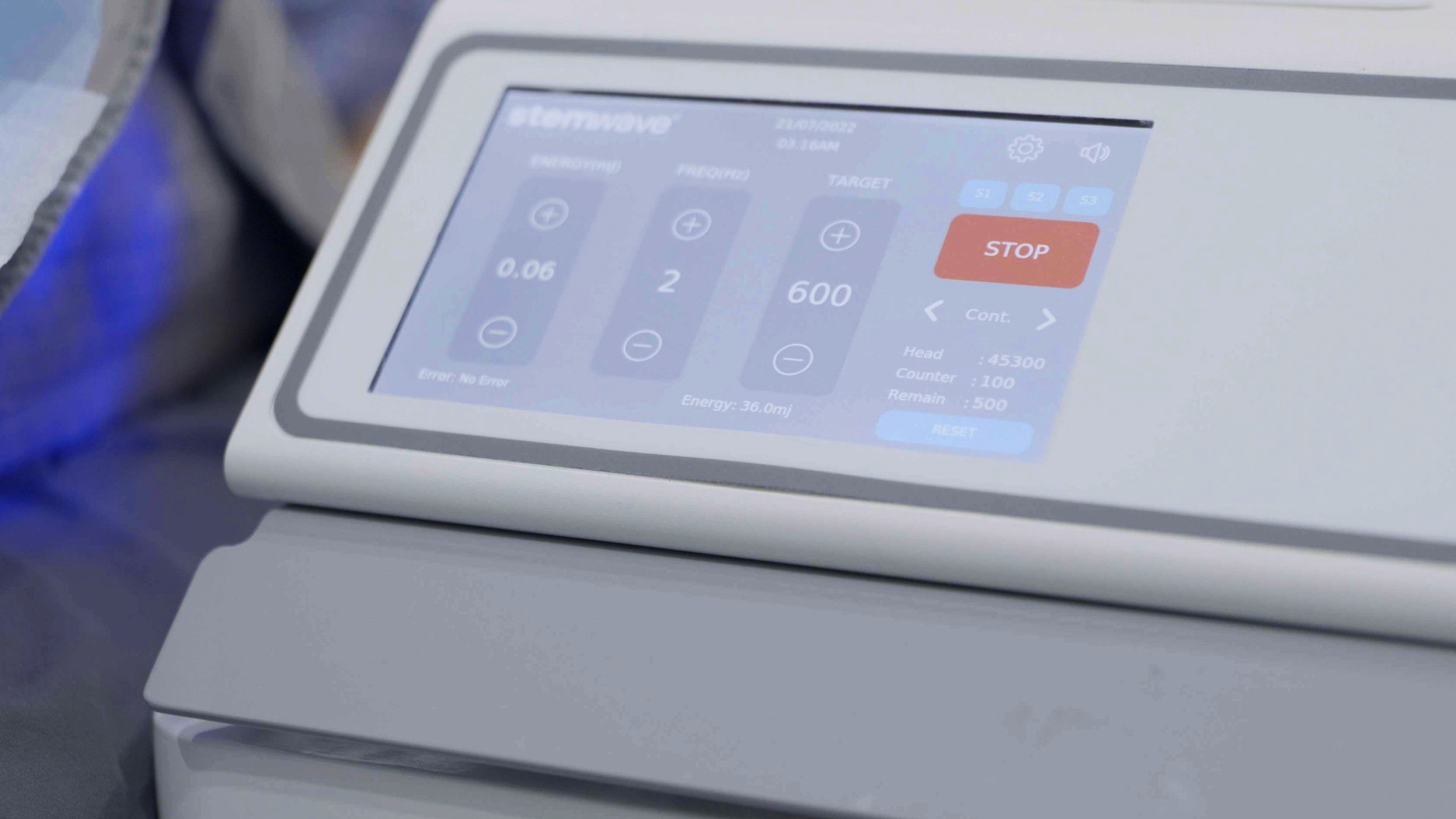
The technology does the work. No physical strain on the provider. No complex setup. The device delivers a consistent therapeutic dose every single time regardless of whether you’re treating your first patient of the day or your twentieth.
One provider described it this way: “The machine shows up every day and does exactly what it was designed to do. It doesn’t malfunction like humans do. It’s a workhorse.”
For the first visit, add examination time and patient education. Reserve 30-45 minutes for that initial encounter where you’re building the relationship, setting expectations, and delivering the first treatment. After that? Follow-up visits run 10-20 minutes total. Assessment, treatment, reassessment. Done. The patient is in and out efficiently while still receiving high-quality, personalized care.
Learn more here about how StemWave compares to other medical devices competitors out in the market now.
Why 8-12 visits instead of indefinite care plans?
StemWave triggers regeneration at the cellular level. That’s fundamentally different from symptom management.
It was never built to be a modality that patients need forever. It’s a defined protocol with a beginning, middle, and end. Most conditions resolve in 8-12 sessions spaced over 2-3 months. Some require fewer. Occasionally more. But the treatment plan has a conclusion that both provider and patient work toward together.
Patients prefer this. They’re not signing up for indefinite weekly visits with no clear endpoint. They’re investing in resolution. They can see the finish line.
How do immediate results change patient compliance?
With conventional care, patients often can’t tell if treatment is working until weeks into the process. They take the provider’s word for it. They hope. They wonder if they should keep showing up or try something else, but StemWave rewrites the story completely.
With ten to thirty percent improvement after the first session, the patient stands up and notices immediately that something has changed. Their range of motion increased. Their pain decreased. Something tangible happened.
One provider described the experience saying, “With one treatment, [the patient’s] squat depth increased significantly and they had a reduction in pain by like 50%. And I was like, ‘are you sure?’ At first I would kind of double check. I stopped asking that after a while. Because I was sure.”
That immediate feedback creates buy-in. Patients complete their protocols because they’ve already experienced what the technology can do. They’re not hoping anymore. They know. They don’t drop out at session four wondering if it’s working.
For the provider, immediate results mean confidence. Every recommendation comes from a place of certainty rather than hope. Every price quote reflects demonstrated value rather than promised potential.
Comparison table: conventional care vs. electrohydraulic shockwave factor
Factor | Conventional Care | Electrohydraulic Shockwave |
|---|---|---|
Treatment Time Per Session | 45-60 minutes | 5-8 minutes (15-20 total visit) |
Total Protocol Length | Indefinite/ongoing | 8-12 sessions over 2-3 months |
Time to First Results | Weeks to months | First session (20-50% improvement) |
Provider Physical Effort | High (manual therapy demands) | Minimal (technology does the work) |
Patients Per Hour | 1-2 patients | 4-6 patients |
Protocol Completion Rate | Low to moderate | Very high |
Hourly Revenue Potential | $80-$240 (insurance-based) | $400-$900+ (cash-based) |
Provider Burnout Risk | High | Low |
,
What are the compounding benefits of treatment efficiency?
Faster treatment times create cascading benefits that extend far beyond the immediate time savings:
See more patients without extending hours. No more working evenings and weekends to meet demand. Your schedule becomes manageable again.
Reduce provider burnout and physical strain. Technology does the work, not your hands and back. Sustainable practice for decades instead of burning out in years.
Generate referrals from resolved cases. Patients who complete care and get better become your best marketing. They tell everyone they know.
Build reputation for results rather than maintenance. You become known as the provider who actually fixes problems, not the one who manages them indefinitely.
Create capacity for practice growth without hiring. The technology scales where manual labor doesn’t. Add revenue without adding staff.
The practice stops being limited by how many hours the provider can physically work. It starts being limited only by how many patients want results. That’s a much better constraint to have.
Revenue per hour: the real comparison
Let’s break down the economics more specifically:
Conventional Insurance-Based Model:
2 patients per hour at $80-$120 per visit
Hourly revenue: $160-$240
Provider effort: High (physically demanding)
Patient relationship: Ongoing, maintenance-focused
Referral generation: Low (patients never “graduate”)
The Cash-Based Model:
4-6 follow-up patients per hour at $100-$150 per session
Hourly revenue: $400-$900
Provider effort: Low (technology does the work)
Patient relationship: Defined endpoint, resolution-focused
Referral generation: High (resolved patients become advocates)
Same provider. Same hour. 3-5x the revenue. And the patients complete protocols and refer others because they actually got better.
Faq: treatment speed with stemwave
Q: How does 5-8 minute treatment time compare to other shockwave devices? A: Similar to other focused shockwave technologies. The efficiency advantage of electrohydraulic specifically comes from the large focal zone (easier to locate damaged tissue), immediate results (no extended sessions hoping for effect), and deep penetration (treating the actual problem rather than surface symptoms).
Q: What’s the revenue difference between conventional devices and StemWave? A: At $150 per session with 4-6 patients per hour, shockwave services generate $600-$900 hourly. Conventional insurance-based care at $80-120 per visit with 1-2 patients per hour generates $80-$240. Same provider, same hour, 3-5x the revenue.
Q: How do defined 8-12 session protocols affect patient relationships? A: Patients appreciate knowing there’s an endpoint. They’re investing in resolution, not signing up for indefinite maintenance. Clear protocols with visible progress build trust and generate referrals. Patients who complete care and get better tell everyone they know.
Q: Can I run a hybrid model with both conventional and shockwave services? A: Yes, and many successful practices do exactly this. Insurance-based services for appropriate cases, premium cash-based shockwave for chronic conditions and patients seeking faster resolution. The shockwave revenue often subsidizes the lower-margin conventional services.
The efficiency advantage in numbers metric
Metric | Conventional Care | Electrohydraulic Shockwave |
|---|---|---|
Minutes per treatment | 45-60 | 5-8 |
Patients per hour (follow-up) | 1-2 | 4-6 |
Sessions to resolution | 20-40+ (often indefinite) | 8-12 |
Revenue per hour | $160-$240 | $400-$900 |
Revenue per protocol | Ongoing small payments | $1,500-$2,500 upfront |
Provider physical demand | High | Minimal |
Patient completion rate | Low-moderate | Very high |
Referral generation | Low | High |
,
The bottom line
Treatment speed matters when it doesn’t compromise outcomes. StemWave delivers faster sessions, fewer total visits, and immediate measurable results. The efficiency gain comes from technology that triggers cellular repair rather than requiring endless provider effort.
For practices struggling with patient volume, provider burnout, or revenue per hour, this represents a structural change in how care gets delivered. The provider stops being the bottleneck. The technology becomes the workhorse.
That’s where StemWave comes in.
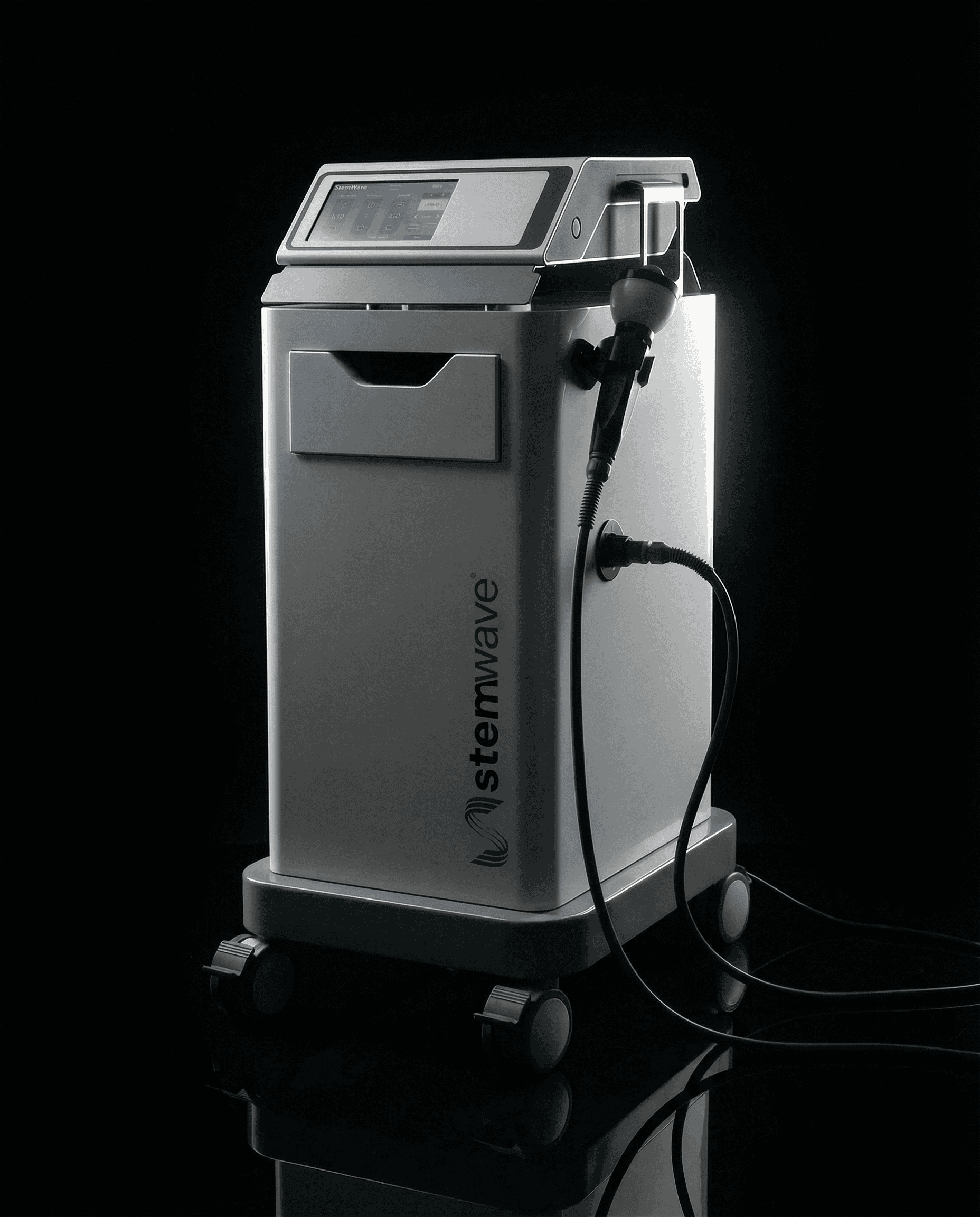
Read more


"/><stop offset="1" stop-color="rgba(120, 120, 120, 0)"/></linearGradient></defs><path d="M 3.5 0 C 5.433 0 7 1.567 7 3.5 C 7 5.433 5.433 7 3.5 7 C 1.567 7 0 5.433 0 3.5 C 0 1.567 1.567 0 3.5 0 Z" fill="url(%23Yb_LPHN9p-114151446-linear-gradient)" height="7px" id="Yb_LPHN9p" transform="translate(1 1)" width="7px"/></svg>)

Everything you need to know about cutting edge medical device.
