
The Cash-Pay Objection Guide: What Patients Really Mean (And How Successful Providers Respond)

“Why doesn’t insurance cover this?” “That’s more than I expected.” “Let me think about it.” Every provider offering premium cash-based services hears these responses. They feel like rejection. They’re not. These objections are requests for information, not refusals. Patients aren’t saying no. They’re saying “I need to understand this better before I can say yes.” Understanding what each objection actually means transforms conversion rates.
Why doesn’t insurance cover this?
What they’re really asking Is this legitimate? If insurance doesn’t cover it, is it experimental or unproven? They’ve been conditioned to believe insurance coverage equals medical validity.
The reality Insurance companies optimize for cost control, not clinical outcomes. They cover modalities that are cheap to deliver and can be spread across months of visits, not necessarily modalities that resolve conditions quickly. Insurance-covered treatments often require 20, 30, 40+ visits with incremental improvement. That’s sustainable for insurance economics. A treatment that resolves conditions in 8-12 visits? That disrupts their model. It’s too effective and too fast.
Think about it: insurance covers cortisone injections that patients repeat every 3-4 months indefinitely. They cover pain medications with side effects and addiction potential. They cover surgeries that cost $15,000-$50,000. They don’t cover treatments that actually fix problems permanently.
How successful providers respond “Insurance typically covers treatments that manage symptoms over extended periods. This technology actually repairs tissue at the cellular level, which means a defined treatment course rather than ongoing maintenance visits. Most patients find that paying directly for something that resolves their condition costs less than years of copays, medications, and time off work for treatments that don’t.”
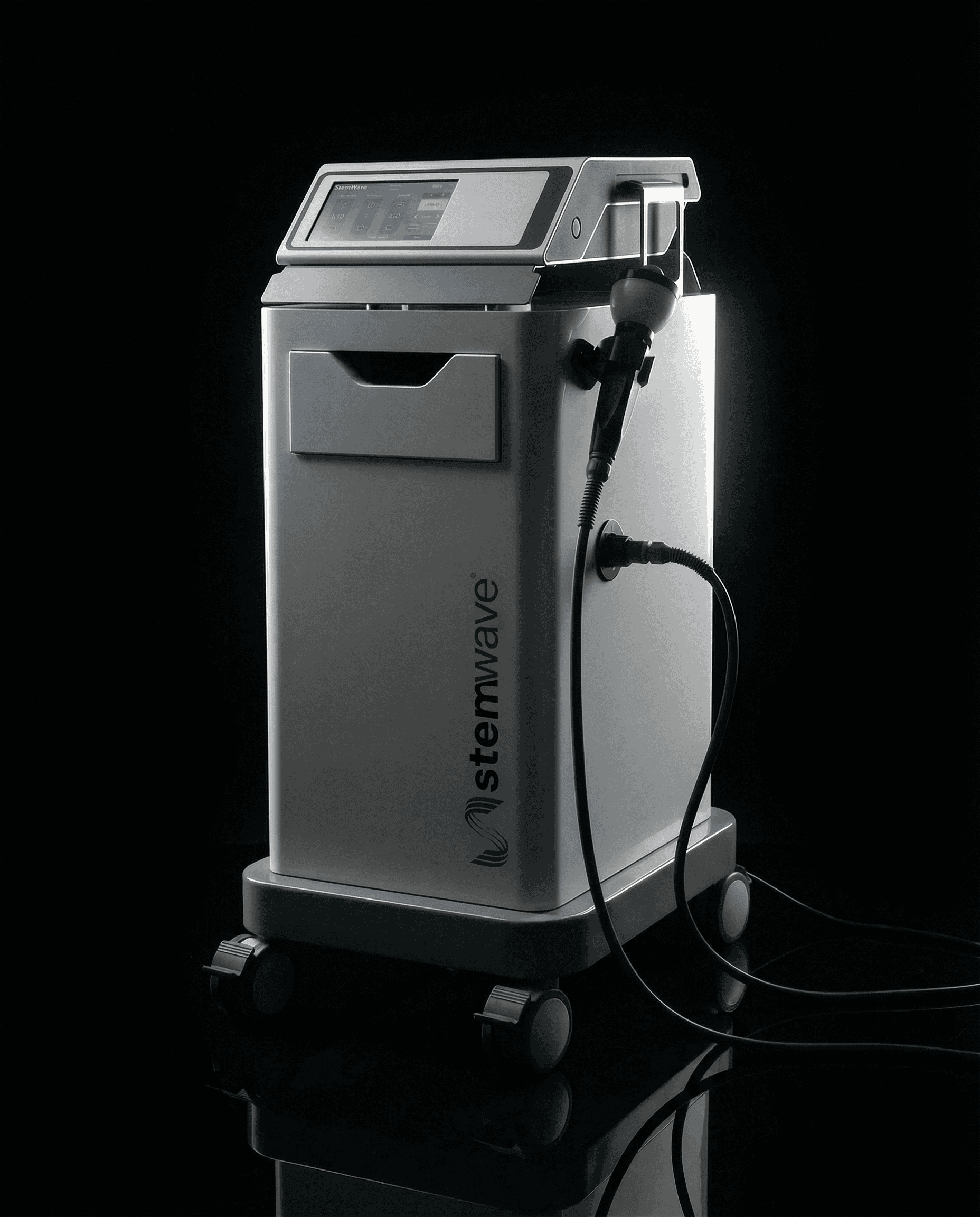
Learn more about how StemWave can help you become one of those successful providers here.
That’s more than i expected
What they’re really asking Is this worth the investment? What am I actually getting for this money? How does this compare to my alternatives?
The reality Patients are conditioned to think of healthcare in terms of $40 copays and $50 prescription costs. When they hear a total protocol price of $1,500-$2,500, they’re comparing it to those small incremental costs, not to the actual total expense of their condition.
The comparison should include everything they’ve already spent: previous treatments that didn’t work, medications, imaging, specialist visits, missed work days, reduced earning capacity, strain on relationships, compromised quality of life. Most patients with chronic conditions have invested far more than a focused wave therapy protocol costs without getting better.
How successful providers respond “What have you spent so far trying to resolve this? If you add up the appointments, the copays, the medications, the time off work, the things you can’t do anymore. Most patients have already invested thousands without getting better. This is a complete protocol designed to actually fix the problem in 8-12 sessions. And it’s typically less than one surgical copay, without the risk, the recovery time, or the uncertainty.”
Let me think about it
What they’re really saying I’m not convinced yet. Or I need to discuss this with someone else. Or I’m genuinely uncertain whether you can actually help me after so many failed attempts.
The reality This response usually means one of three things: (1) they need more information to feel confident, (2) they need to consult a spouse or family member, or (3) they’ve been burned before and don’t trust that this time will be different.
Pushing harder doesn’t work. But neither does accepting “I’ll think about it” without understanding what’s actually driving the hesitation. The patient has come to your office, spent time with you, and is clearly interested. Something specific is creating the pause.
How successful providers respond “That makes complete sense. This is a significant decision. What specifically would help you feel confident about moving forward? Is it about the treatment itself, the investment, or something else entirely?” This opens the real conversation and identifies the actual concern that needs addressing.
I’ve tried everything
What they’re really saying I’ve been disappointed so many times. Every provider promised results. Nothing worked. Why would this be any different? My hope is nearly exhausted.
The reality These patients are actually ideal candidates. They’re motivated. They’ve demonstrated willingness to seek solutions and invest in their health. They just haven’t found the right technology yet.
The key is differentiating what they’ve tried from what you’re offering. If they’ve done physical therapy, chiropractic care, injections, and medications, they’ve tried symptom management. They haven’t tried tissue regeneration. Different mechanism, different outcomes.
How successful providers respond “Walk me through what you’ve tried. I want to understand exactly what hasn’t worked.” Then: “Most of those treatments manage symptoms temporarily. They reduce pain, reduce inflammation, but they don’t trigger actual tissue repair. This technology works through mechanotransduction, which activates cellular healing mechanisms. It’s a completely different approach. And here’s the best part: you’ll know after the first treatment whether you’re responding. You’ll feel the difference before you leave today.”
Learn more from our StemWave Impact Series on how patients at White Oak Chiropractic, who seemingly tried everything, received life changing care from StemWave.
Can i just try one session first?
What they’re really asking I’m interested but scared to commit fully. I’ve been burned by full treatment packages before. I want proof before investment.
The reality Single sessions don’t produce lasting regenerative results. Tissue healing requires a protocol. Agreeing to one-off sessions sets up both provider and patient for disappointment because the patient won’t get the full benefit and may conclude the treatment doesn’t work.
That said, many clinics offer low-cost initial assessments or “mapping sessions” that let patients experience the technology and see immediate improvement before committing to a full protocol.
How successful providers respond “Healing takes time and multiple sessions. A single treatment won’t give you lasting results, and I don’t want you to judge the technology based on incomplete treatment. Here’s what I can offer: a low-cost mapping session where you’ll experience the technology and we’ll see how you respond. Most patients notice 20-30% improvement from that first session alone. That gives you real evidence to make an informed decision about the full protocol.”
My doctor said i need surgery
What they’re really asking Is there actually an alternative, or am I wasting time and money delaying the inevitable? I don’t want surgery, but I’ve been told it’s my only option.
The reality Many surgical recommendations are based on imaging findings rather than functional assessment. A torn meniscus on MRI doesn’t automatically mean surgical repair is the only option. A rotator cuff tear on imaging doesn’t always require surgery. Focused wave therapy has helped patients avoid surgeries they were told were inevitable. Not every case. But enough that “my doctor said surgery” absolutely should not end the conversation.
How successful providers respond “What specifically did they recommend surgery for? A lot of conditions that surgeons operate on also respond to regenerative therapy. We can assess your situation and see if there’s potential for improvement without the operating room. Surgery will still be there if you need it. But wouldn’t you rather explore a non-invasive option first? Especially when you can know within one treatment whether you’re responding?”
Learn more about how Dr. Leslie Carmen brought non-invasive and life-changing transformation to her clinic with StemWave.
I can’t afford it
What they might really mean This isn’t a priority for me right now. Or: I’m not convinced this is worth prioritizing over other expenses. Or: I genuinely don’t have access to this money.
The reality Sometimes “I can’t afford it” is literally true. Fixed income, unexpected expenses, genuine financial hardship. That’s real and should be respected.
But often it means “I’m not convinced this is worth prioritizing over other things I could spend this money on.” The provider’s job isn’t to judge anyone’s financial situation. It’s to ensure the patient understands the value of what’s being offered. If after understanding the treatment they still can’t prioritize it financially, that’s a legitimate decision. For patients who genuinely want treatment but face financial constraints, payment plans and financing options exist. CareCredit, Cherry, split payments.
How successful providers respond “I understand. Let me explain what options we have: payment plans that break this into smaller monthly amounts, and financing options that let you start treatment now and pay over time. But ultimately, the question is whether this condition is impacting your life enough that it’s worth prioritizing. Only you can answer that. What I can tell you is what I’ve seen this technology do for people who were in similar situations.”
Common objection comparison table
Objection | What They’re Really Asking | Key Response Strategy |
|---|---|---|
“Why doesn’t insurance cover this?” | Is this legitimate? | Explain insurance economics vs. clinical outcomes |
“That’s more than I expected” | Is this worth it? | Compare to total cost of their condition |
“Let me think about it” | I need more information | Ask what would help them decide |
“I’ve tried everything” | Why would this be different? | Differentiate mechanism of action |
“Can I try one session?” | I want proof first | Offer low-cost mapping session |
“My doctor said surgery” | Is there really an alternative? | Assess their specific condition |
“I can’t afford it” | Is this worth prioritizing? | Present financing options, clarify value |
The mindset behind handling objections successfully
The goal isn’t to overcome resistance. It’s to provide clarity. According to John Hopkins global study, “…over 40% of patients that suffer from chronic or acute pain also suffer from anxiety or depression”. Thus as providers, it’s important to put patients and their outcomes first.
One successful provider put it this way: “The pain point creates the price point. There’s value associated with that pain point. So you’ve got to make sure you’re really understanding how this is impacting them, what they’ve tried before, and what their expectations are.”
Patients who experience the technology understand its value. They feel immediate improvement. They don’t need convincing after that. The conversation before treatment is about removing uncertainty. Explaining how this differs from what they’ve tried. Helping them understand why insurance coverage isn’t a proxy for clinical value. Showing them the real cost comparison.
When a patient decides not to proceed, it should be an informed decision, not a confused one. And when they decide to move forward, they should feel confident rather than pressured.
People also ask: handling cash-pay objections
How do I handle price objections without discounting? Anchor to alternatives. What does surgery cost? What have they spent on failed treatments? What’s the value of their quality of life? Premium pricing signals premium outcomes. Discounting before being asked undermines perceived value. If price is genuinely a barrier, offer financing rather than reducing the price.
What if the patient’s spouse objects? Offer to include the spouse in a follow-up conversation. Provide educational materials they can share. Many objecting spouses become advocates once they understand the technology and see results. The patient’s immediate improvement from the first treatment often becomes the most convincing evidence.
How do I compete with cheaper alternatives? Don’t compete on price. Compete on outcomes. Cheaper alternatives are cheaper for a reason: they don’t produce the same results. Patients who choose based on price alone usually return after those cheaper options fail. Position yourself as the place patients come when everything else hasn’t worked.
Should I chase patients who say “let me think about it”? Follow up once with value, not pressure. Send educational content. Share a relevant case study. Then let them decide. Patients who need to be chased into treatment often don’t complete protocols anyway. Focus energy on patients who are ready.
Faq: cash-pay conversion
Q: What conversion rate should I expect from consultations? A: Well-structured consultations with proper patient selection typically convert 60-80% of appropriate candidates. Lower rates usually indicate either improper patient selection or gaps in the consultation process.
Q: Should I offer a money-back guarantee? A: Most successful providers don’t. The low-cost mapping session serves as the trial period. Patients see improvement before committing to the full protocol. A guarantee on completed protocols invites abuse and attracts patients who aren’t committed to the process.
Q: How do I handle patients who want to compare prices with other clinics? A: Encourage it. If they find electrohydraulic shockwave cheaper elsewhere, they should investigate the training, support, and outcomes at that clinic. If they’re comparing to different technology entirely (radial, piezo), explain the differences in mechanism and depth. Informed patients who choose you become your best referral sources.
Q: What’s the best way to present pricing? A: Present the total protocol cost, then break it down per session. Anchor to alternatives first (surgery cost, years of failed treatment). Present payment options after the total, not before. Confidence in your pricing signals confidence in your outcomes.
The bottom line
Objections to cash-pay services reflect information gaps, not rejection. Patients asking questions are engaged patients. They’re trying to understand whether this solution fits their situation. That’s healthy.
The provider’s role is educator, not salesperson. Explain the technology. Contextualize the investment. Let them experience results. The objections resolve themselves when patients have the information they need and feel the difference after treatment.
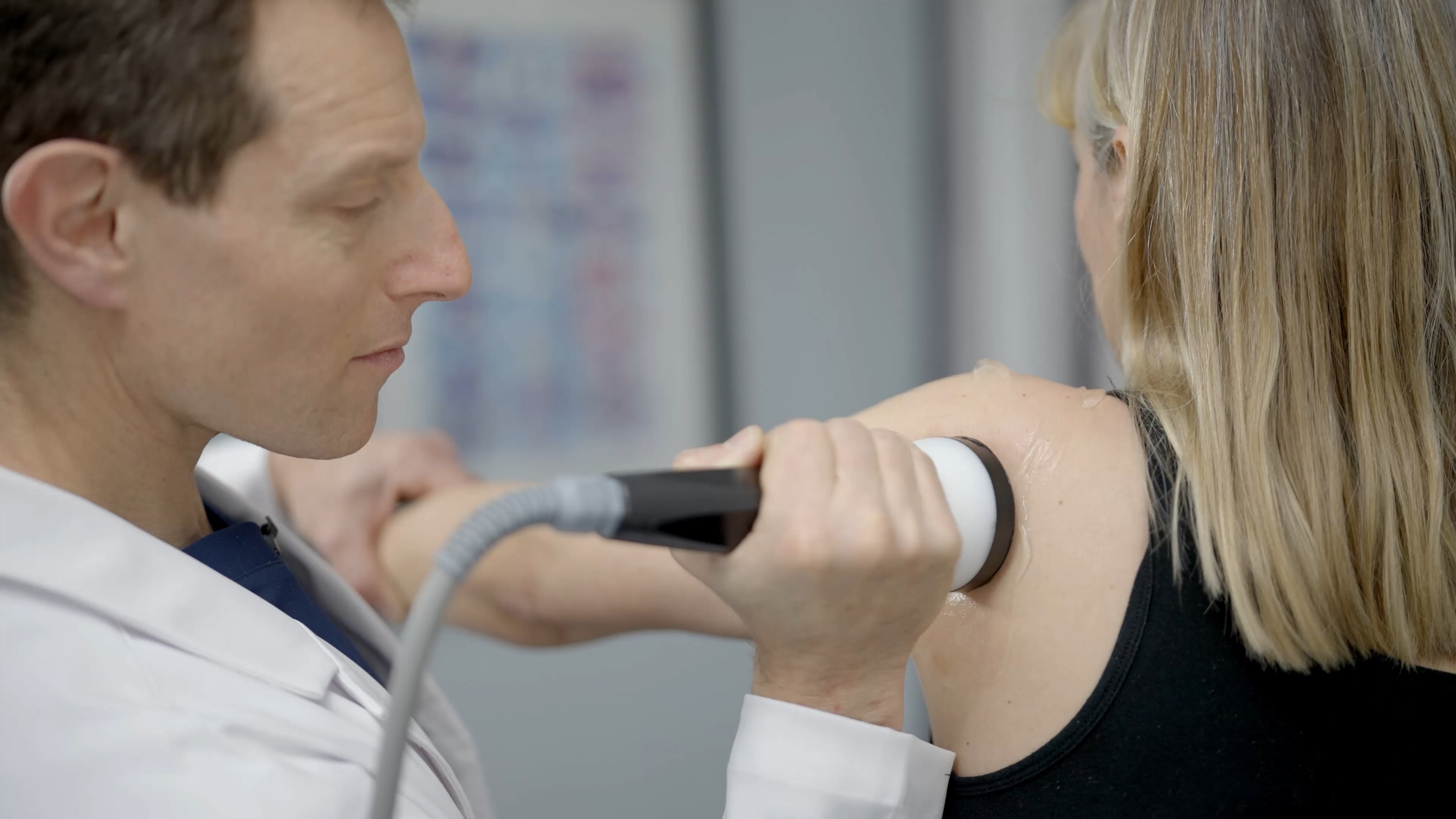
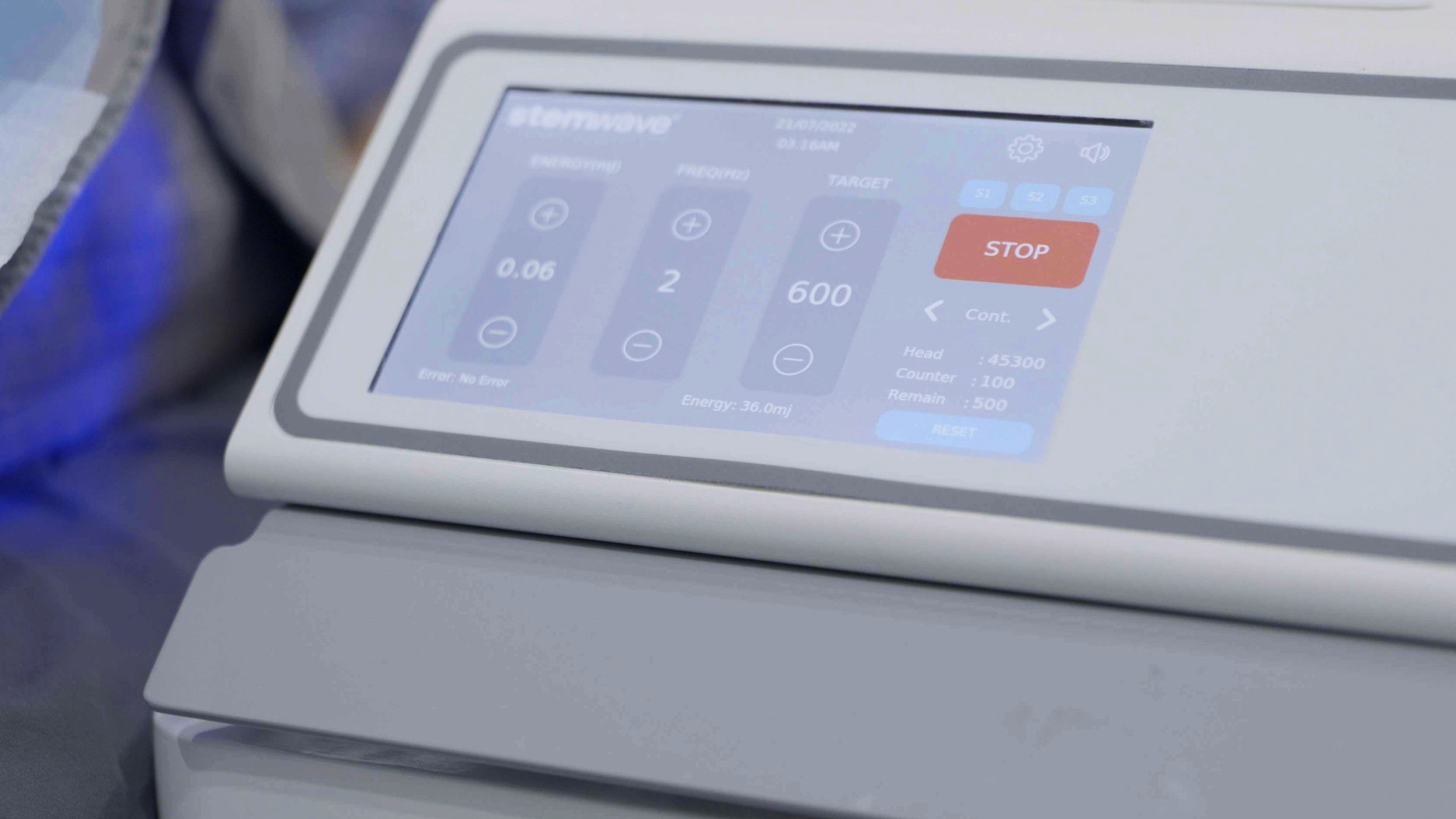
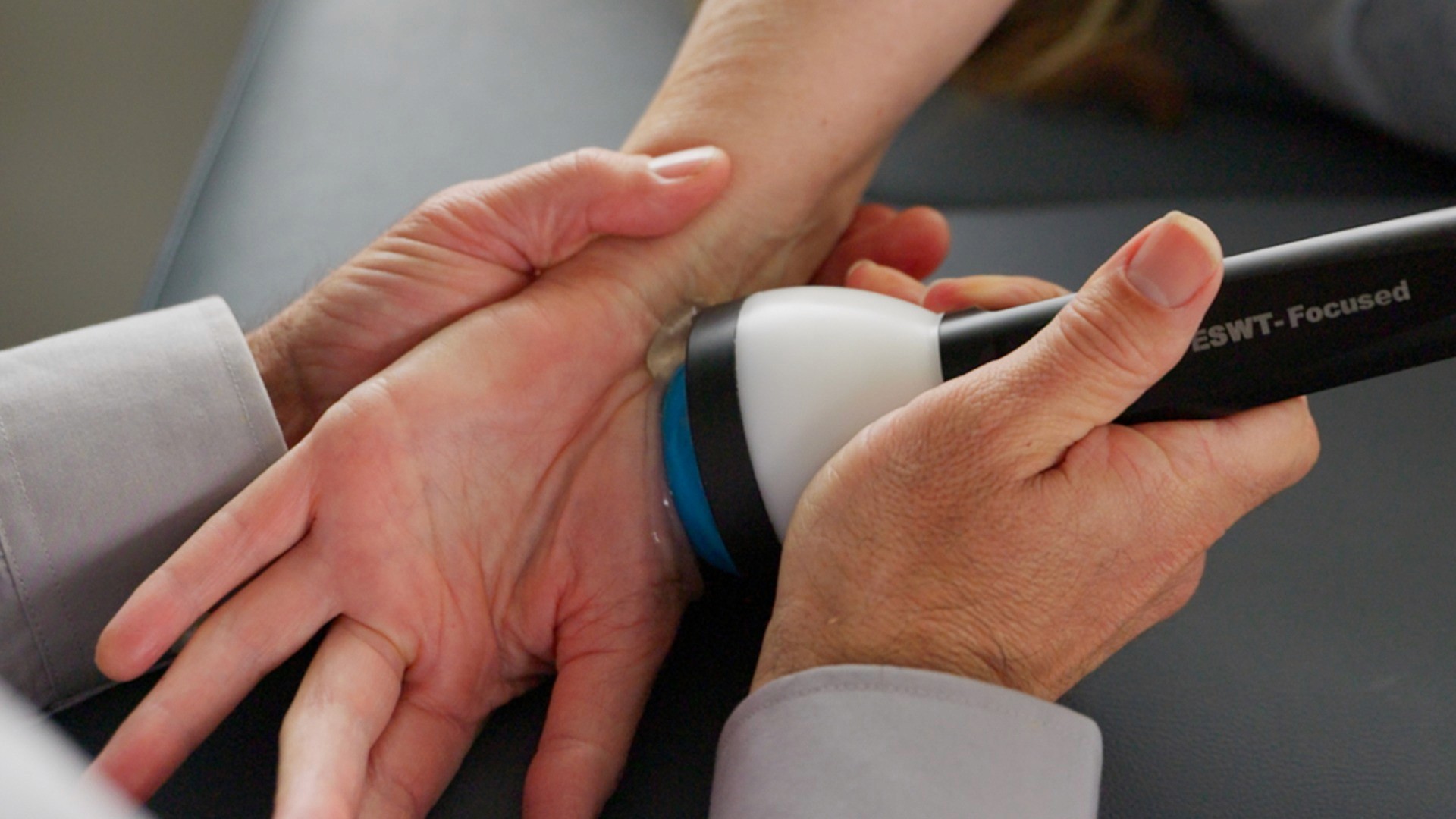
That’s where StemWave comes in.
Read more



"/><stop offset="1" stop-color="rgba(120, 120, 120, 0)"/></linearGradient></defs><path d="M 3.5 0 C 5.433 0 7 1.567 7 3.5 C 7 5.433 5.433 7 3.5 7 C 1.567 7 0 5.433 0 3.5 C 0 1.567 1.567 0 3.5 0 Z" fill="url(%23Yb_LPHN9p-114151446-linear-gradient)" height="7px" id="Yb_LPHN9p" transform="translate(1 1)" width="7px"/></svg>)

Everything you need to know about cutting edge medical device.
