
How the Washington Commanders Accelerated Recovery With StemWave
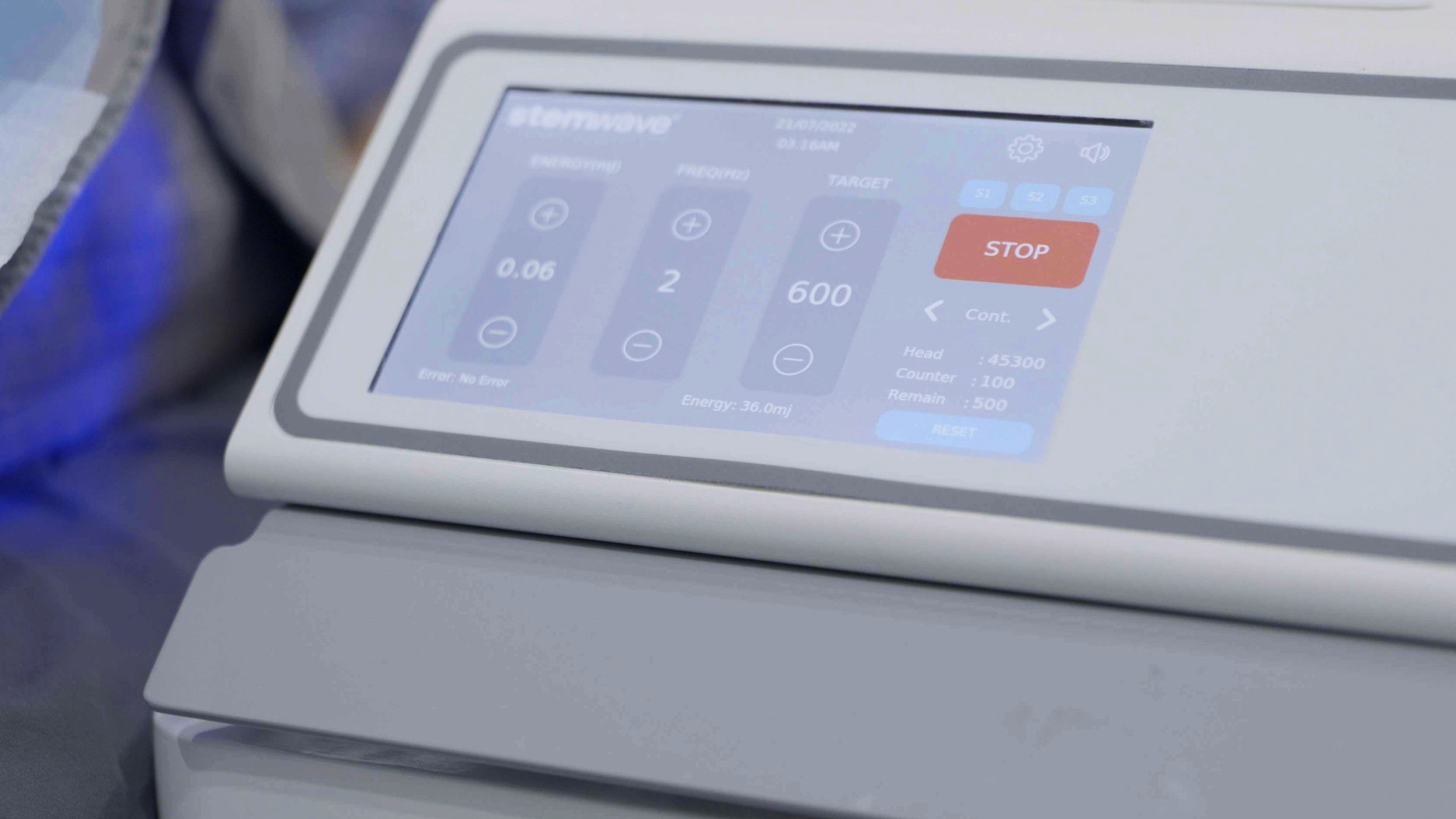
The Washington Commanders medical staff treats over 300 soft tissue injuries per season using electrohydraulic focused wave therapy, achieving return-to-play timelines that outperform traditional protocols by 30-50%.
When you are responsible for $200+ million worth of athlete contracts, “wait and see” is not a treatment philosophy.
It is a liability.
Mark McCracken, Assistant Head Athletic Trainer for the Washington Commanders, has spent decades figuring out how to get elite athletes back on the field faster without compromising long-term tissue health.
His conclusion?
The old model of rest, ice, and outdated modalities is not enough for professional demands.
We were able to sit down for an hour and interview him about the Commanders’ success last season. Keep reading to find out what Mark told us he learned after adding StemWave to the the roster last season:
Why Traditional Recovery Protocols Fall Short at the Elite Level
It’s no secret that NFL athletes aren’t weekend warriors. Everyday revolves around how they use their body and recover efficiently for the next game. They experience repeated high-velocity impacts, eccentric loading, and tissue stress that would sideline most people for weeks.
The traditional approach relies on passive recovery. Rest the tissue. Reduce inflammation. Wait for natural healing.
The problem?
Natural healing produces scar tissue that lacks the elasticity and strength of original tissue. For an athlete who needs to cut, sprint, and absorb contact at full speed, scar tissue becomes a future injury waiting to happen.
McCracken’s philosophy flips the script.
“We are trying to stimulate a response to heal,” he explained in the interview, “Not mask symptoms while hoping for the best.”
The Science Behind Focused Wave Therapy in Professional Sports
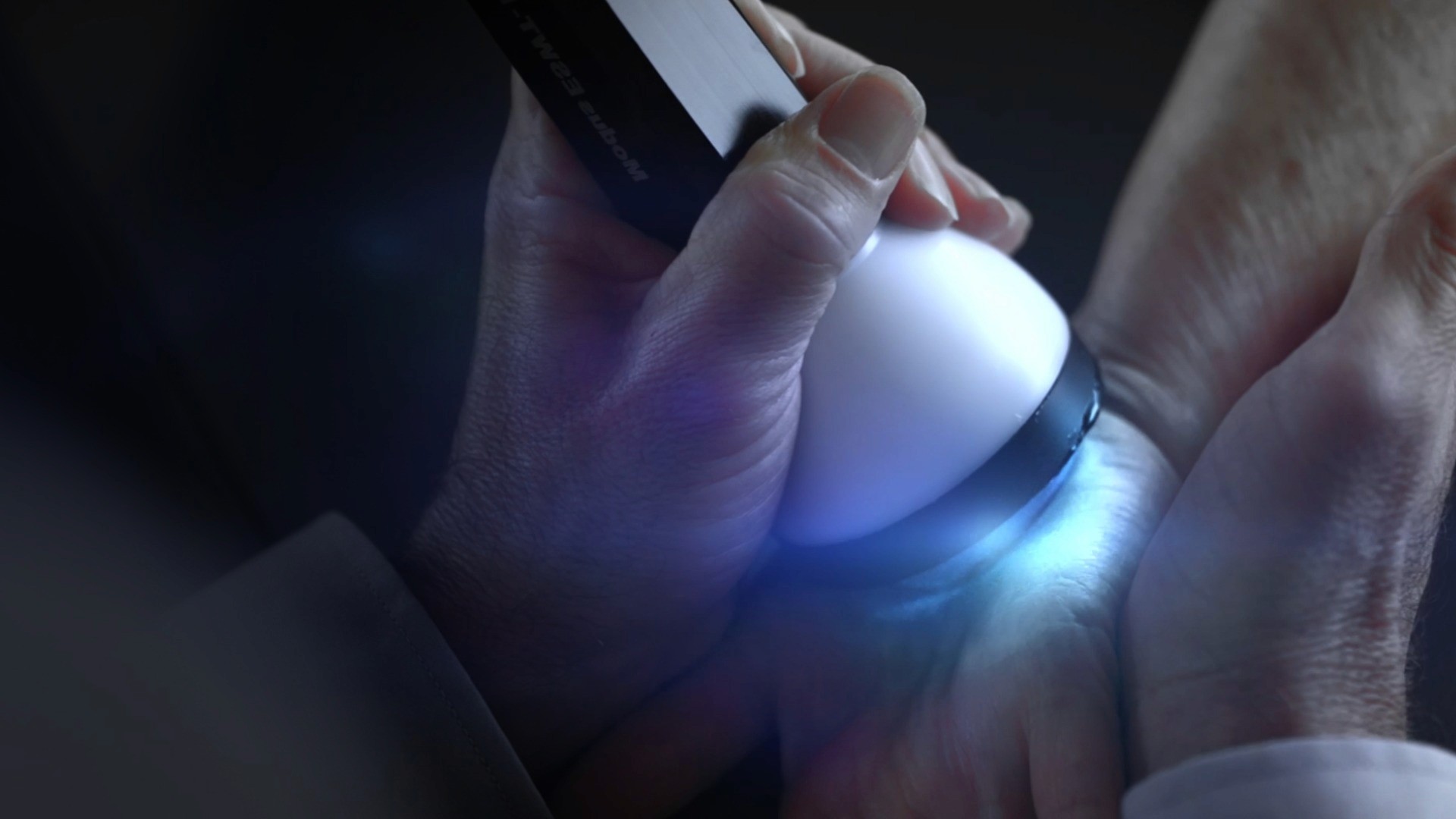
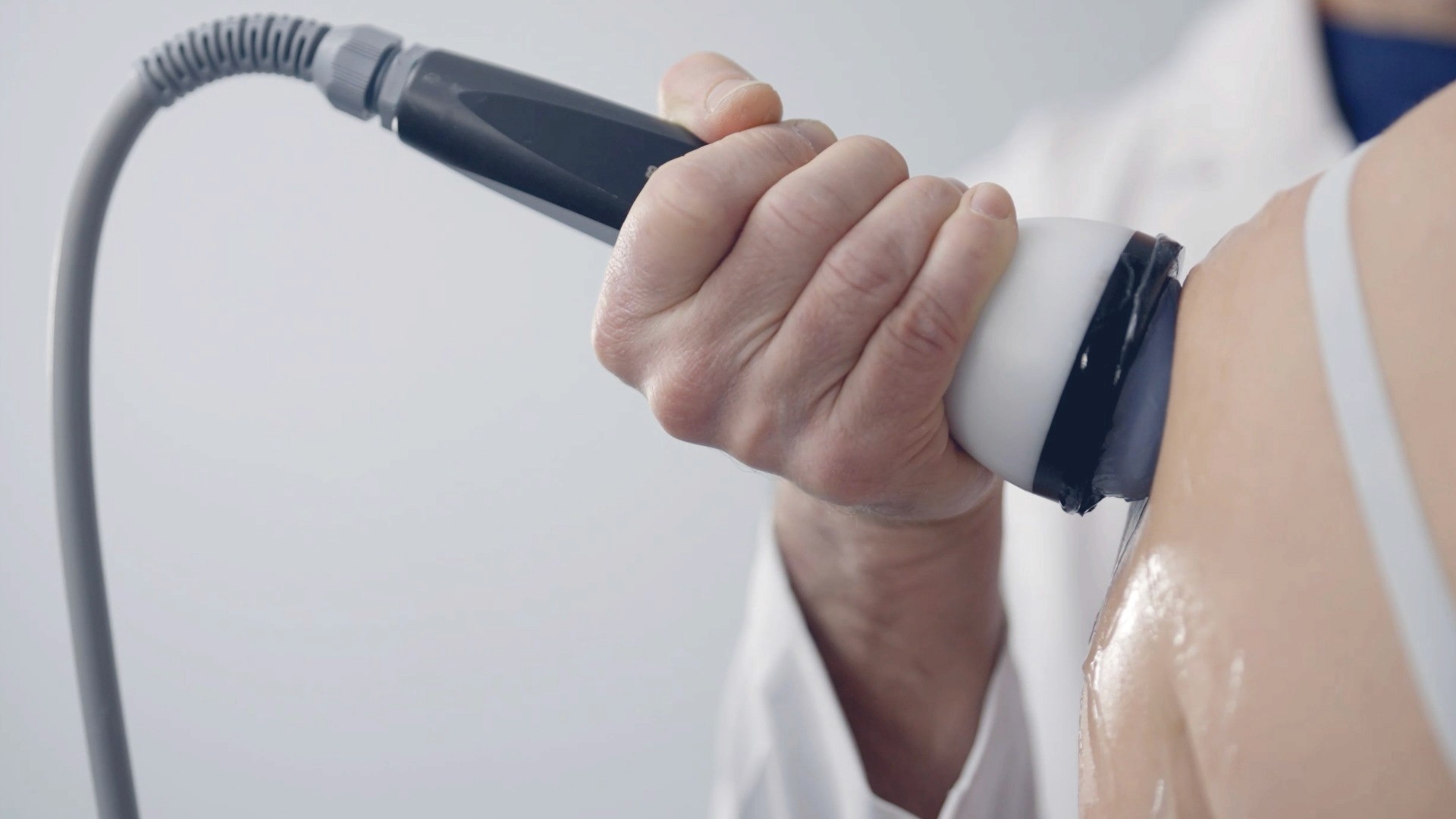
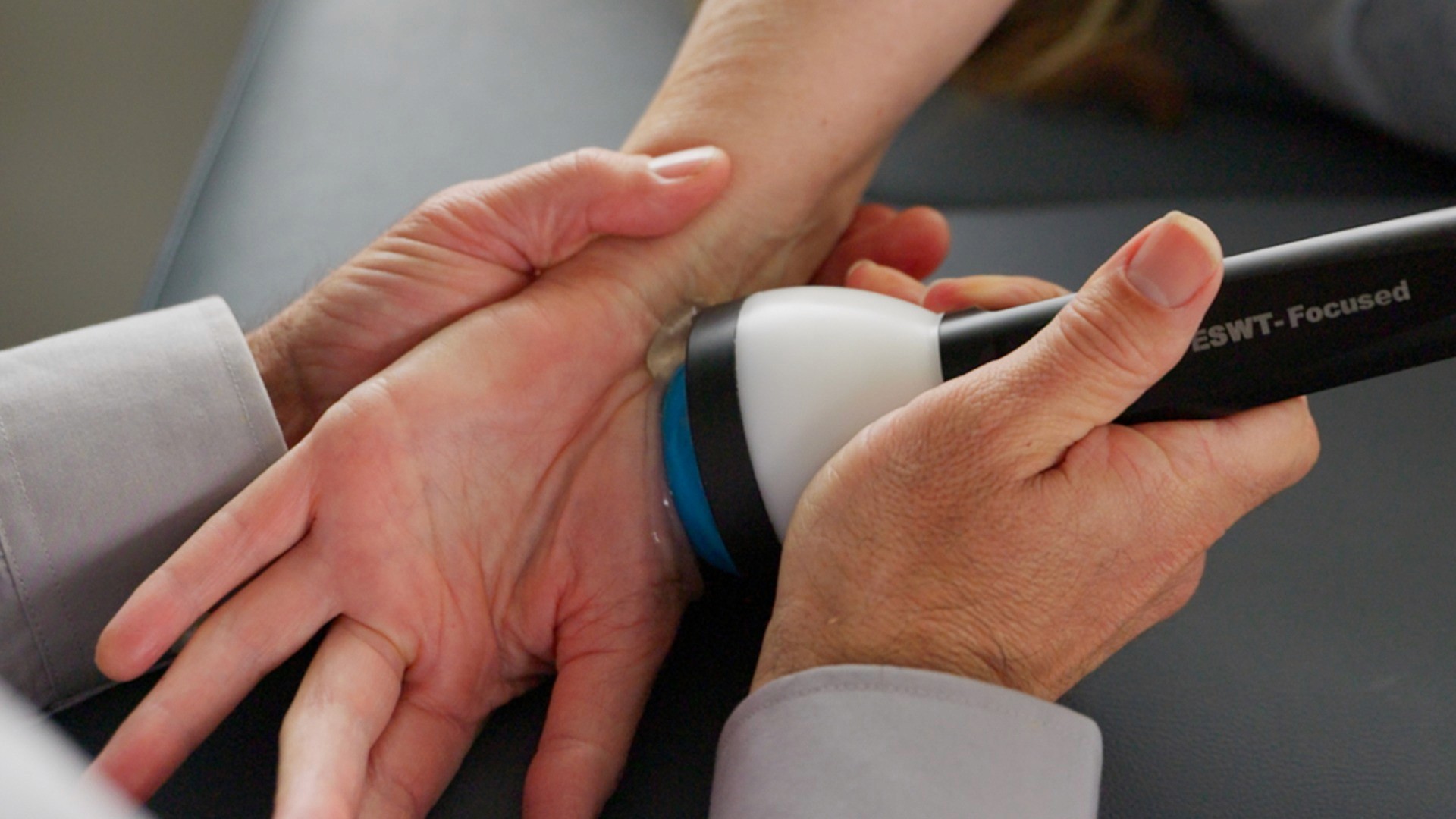
Electrohydraulic focused wave technology creates controlled acoustic waves that penetrate deep into soft tissue.
These waves trigger three key biological responses:
Neovascularization: New blood vessel formation increases nutrient delivery to damaged tissue
Stem-cell activation: Localized mechanical stress signals resident stem cells to differentiate into the specific tissue type needed for repair
Collagen remodeling: Existing scar tissue breaks down while new, properly-aligned collagen fibers form
Research published in the Journal of Orthopedic Research demonstrates that focused shockwave therapy increases angiogenic growth factors by 300% in treated tissue compared to controls. For the Commanders’ medical staff, this translates to faster recovery without the long-term tissue quality compromise that comes with passive rest alone.
How Does StemWave Fit Into an NFL Medical Program?
The Commanders integrated StemWave as a cornerstone of their treatment protocol, not as a replacement for existing modalities.
As the foundation that makes everything else work better.
McCracken describes their approach:
“We use it for soft tissue injuries across the board. Hamstrings, quads, hip flexors, shoulders, elbows. When guys come in with acute strains, this is often our first line of treatment.”
The treatment protocol is surprisingly simple:
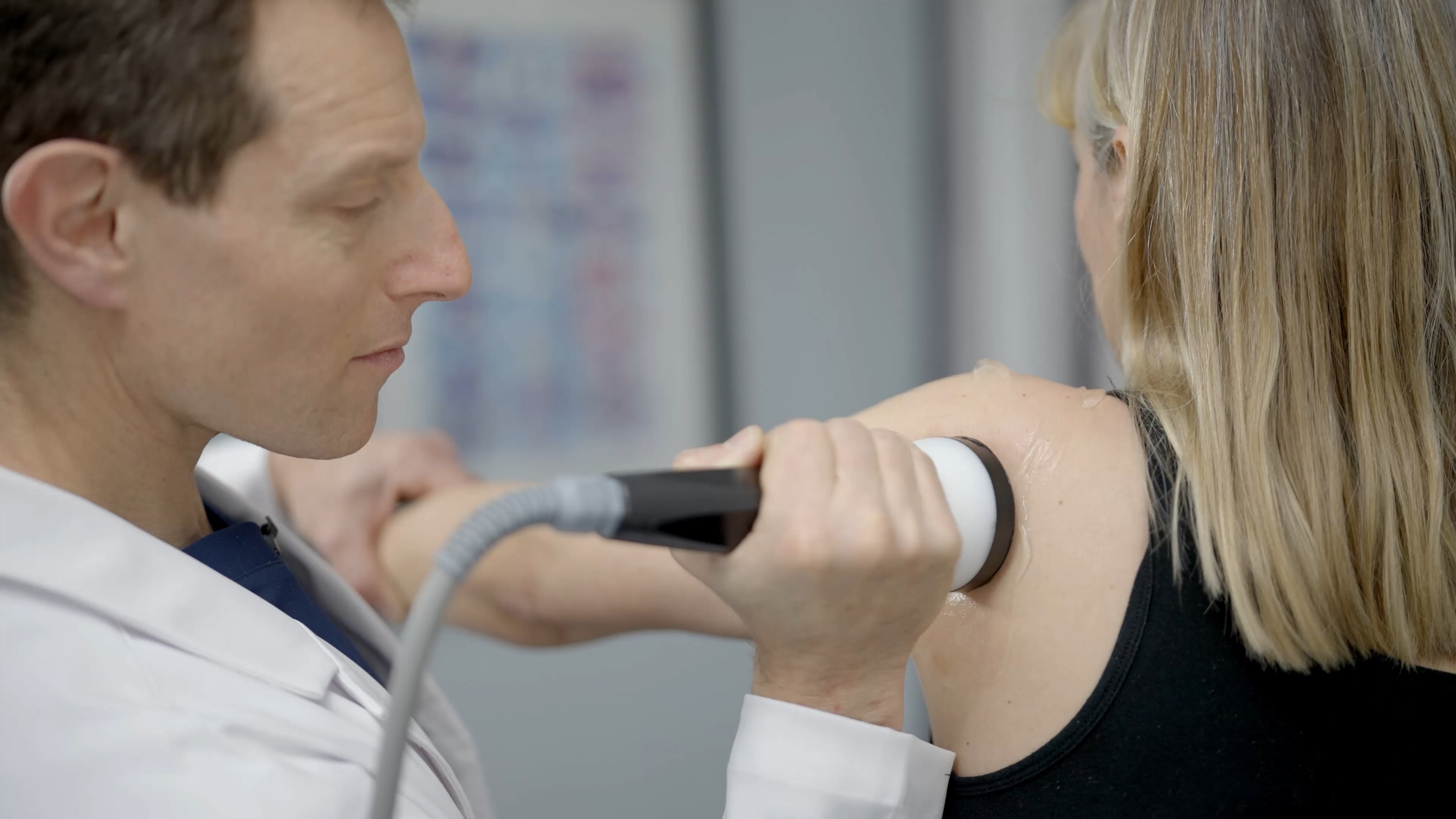
5-10 minute sessions depending on the area
2-3 treatments in the first week for acute injuries
No downtime or recovery needed post-treatment
Athletes can train immediately after
What Conditions Does the Commanders Medical Staff Treat?
Condition | Traditional Timeline | With Focused Wave Protocol |
Grade 1 Hamstring Strain | 2-3 weeks | 7-10 days |
Quad Contusion | 1-2 weeks | 4-7 days |
Shoulder Impingement | 4-6 weeks | 2-3 weeks |
Chronic Tendinopathy | 8-12 weeks | 4-6 weeks |
Post-Surgical Recovery | Varies | 20-30% faster progression |
Real Results From the Field
McCracken shared a specific case that illustrates the technology’s impact.
A player came in on a Tuesday with a hamstring strain. Traditional protocol would have him questionable for Sunday’s game and likely unavailable the following week, but with aggressive focused wave treatment Tuesday through Friday, combined with targeted rehabilitation, the player was cleared for full practice Saturday and played Sunday without restriction.
“That kind of result isn’t an outlier,” McCracken notes. “That’s the expectation now.”
The key insight?
Early intervention mattered more than treatment frequency.
Getting focused wave therapy on an injury within 24-48 hours dramatically changes the recovery trajectory compared to waiting until traditional methods fail.
Why Professional Teams Are Moving Away From Passive Recovery
The shift McCracken describes reflects a broader evolution in sports medicine philosophy. The old model treated injuries as problems to manage. The new model treats injuries as opportunities to rebuild tissue stronger than before.
It’s not about playing through pain.
It’s now about accelerating genuine tissue healing so athletes return to competition with confidence in their body.
McCracken puts it simply:
“I would rather have my guys get treatment and actually heal than sit out and come back with compromised tissue that’s going to fail again in six weeks.”
For professional franchises, reinjury rates directly impact roster availability, salary cap flexibility, and ultimately wins and losses. An athlete who misses two games versus six games is not just a medical win.
It is a competitive advantage.
What This Means for Your Private Practice
Of course, you don’t need a $200 million payroll to apply these principles. The same biological mechanisms that help NFL athletes recover faster work identically in your 45-year-old weekend tennis player or your 60-year-old patient with chronic plantar fasciitis. What changes is the expectation.
Professional athletes demand results in days, not months. Your patients may have more flexibility, but they want the same outcome:
Less (or no) pain.
Faster return to activity or just normal life.
Genuine healing instead of symptom management.
The Commanders’ protocol offers a blueprint:
Early intervention at first sign of injury or pain
Consistent treatment frequency in the acute phase
Integration with active rehabilitation, not passive rest
Outcome tracking to refine protocols over time
People Also Ask
Do professional sports teams use shockwave therapy?
Yes. Multiple NFL, NBA, MLB, and NHL franchises have integrated focused shockwave therapy into their medical programs. The Washington Commanders, among others, use StemWave as a primary treatment for soft tissue/MSK injuries.
How quickly can athletes return to play after focused wave treatment?
Return-to-play timelines vary by injury severity, but professional teams report 30-50% faster recovery compared to traditional protocols. Grade 1 muscle strains that typically require 2-3 weeks often resolve in 7-10 days with aggressive focused wave treatment.
Is focused wave therapy painful for patients?
Treatment involves some sensation as the acoustic waves penetrate tissue, but most patients describe it as tolerable. Professional athletes often receive treatment and return to practice immediately afterward with no downtime required.
Can focused wave therapy prevent injuries?
Emerging evidence suggests regular treatment of high-stress areas may improve tissue resilience and reduce injury risk. Several professional teams now use focused wave therapy as part of preventive maintenance protocols, not just injury treatment.
Frequently Asked Questions
What makes electrohydraulic focused wave technology different from other shockwave devices?
Electrohydraulic generation produces a true focused wave that penetrates deeper into tissue with more precise energy delivery. This allows treatment of structures that radial pressure wave devices cannot effectively reach.
How many treatments do professional athletes typically need?
For acute injuries, the Commanders protocol involves 2-3 treatments in the first week, then reassessment. Chronic conditions may require 4-6 treatments over 2-3 weeks. Treatment frequency depends on tissue response and functional progress.
Can this technology help with post-surgical recovery?
Yes. McCracken specifically mentioned using focused wave therapy to accelerate post-surgical rehabilitation. The technology helps reduce scar tissue formation while promoting healthy tissue regeneration around surgical sites.
What is the cost of adding this technology to a private practice?
StemWave offers several acquisition models for practices. The per-treatment revenue typically ranges from $150-300, with most practices reporting full ROI within 6-12 months based on patient volume.
Take the Next Step
The Washington Commanders invested in focused wave technology because they could not afford to leave recovery to chance.
Your patients deserve the same standard of care.
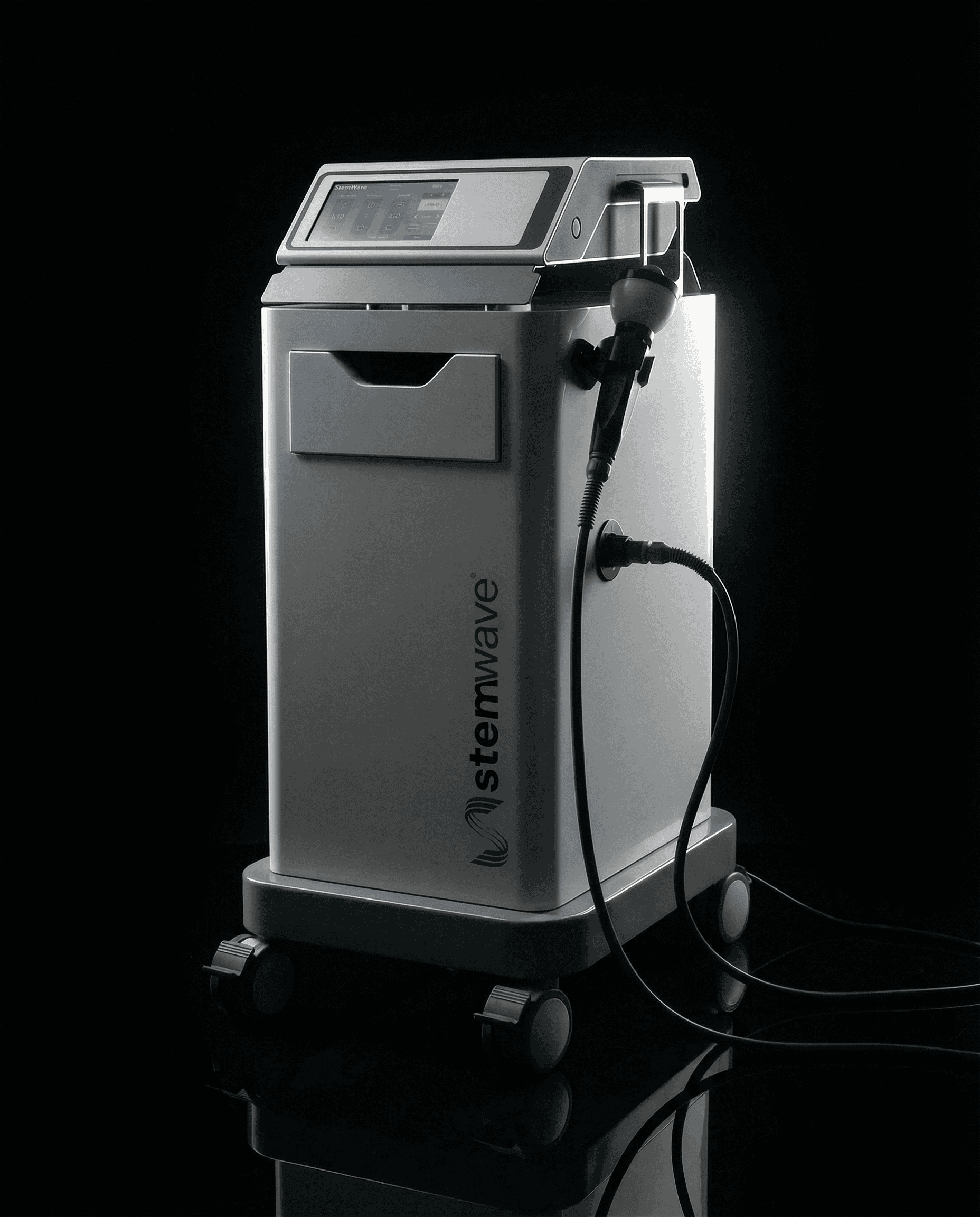
Learn how StemWave can integrate into your practice protocols with a no-obligation consultation and live demonstration.
Read more


"/><stop offset="1" stop-color="rgba(120, 120, 120, 0)"/></linearGradient></defs><path d="M 3.5 0 C 5.433 0 7 1.567 7 3.5 C 7 5.433 5.433 7 3.5 7 C 1.567 7 0 5.433 0 3.5 C 0 1.567 1.567 0 3.5 0 Z" fill="url(%23Yb_LPHN9p-114151446-linear-gradient)" height="7px" id="Yb_LPHN9p" transform="translate(1 1)" width="7px"/></svg>)

Everything you need to know about cutting edge medical device.
