
The science & clinical foundation of Stemwave
A mechanotransductive approach to tissue regeneration supported by physics, biological response, and clinical evidence.
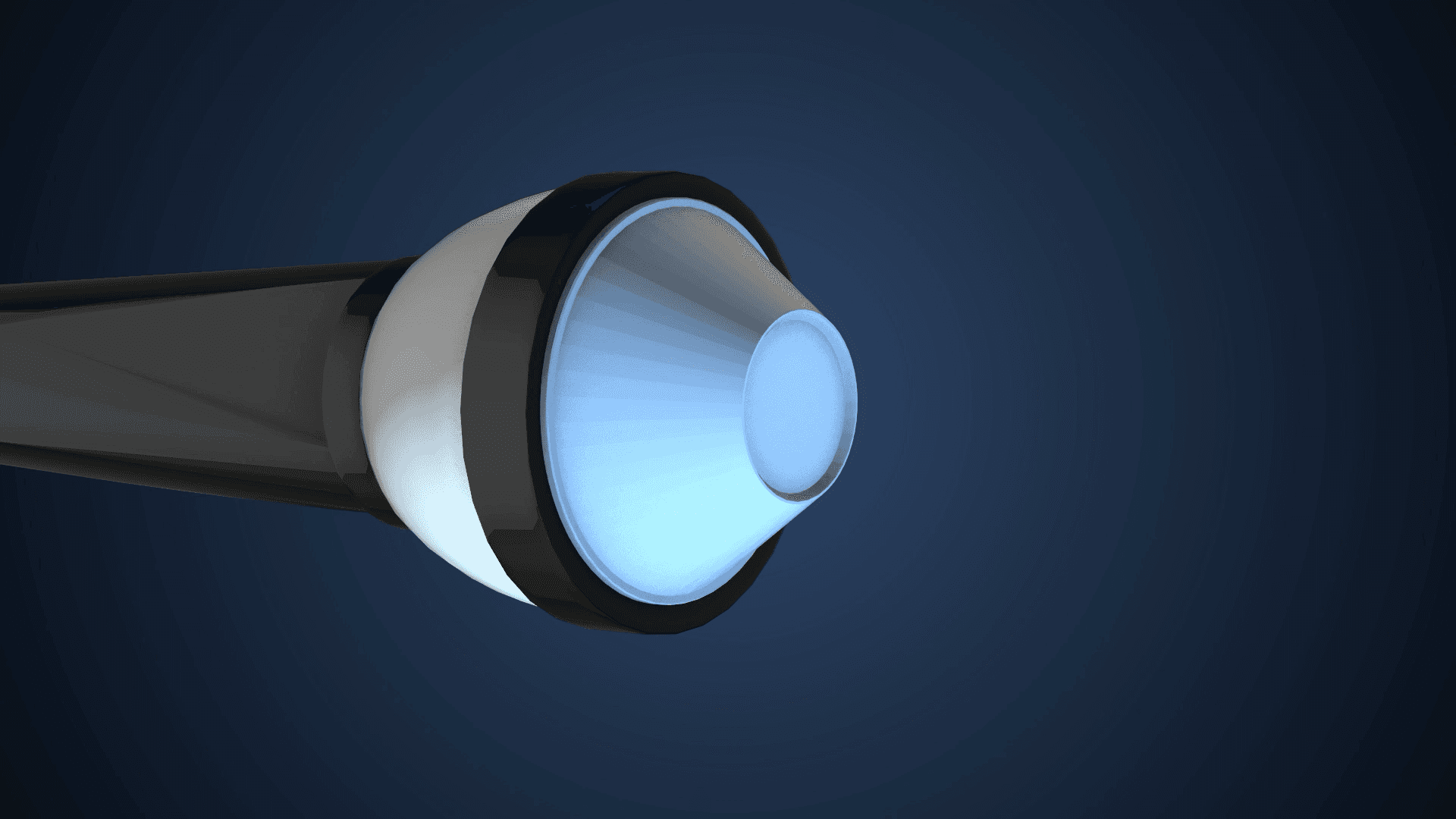
Shockwaves differ fundamentally from other acoustic modalities in how energy is generated, delivered, and interacts with biological tissue.
Single impulse waveform
Energy delivered in discrete pulses.
Steep pressure rise
High peak pressure
Broad frequency spectrum
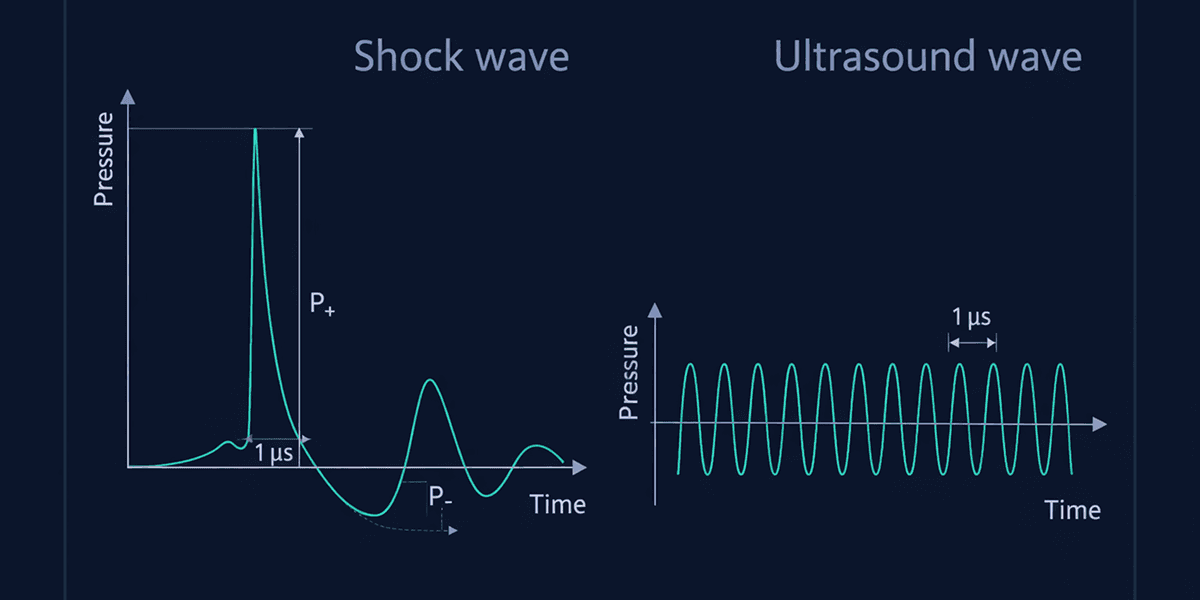
Shockwaves vs Ultrasound
Parameter
Shockwaves
Ultrasound
Waveform
Single impulse
Periodic
Pressure rise
Extremely steep
Gradual
Frequency
Broadband
Narrow-band
Thermal effects
Minimal
Can be significant
Primary mechanism
Mechanical signaling
Thermal + mechanical
Not all shockwave systems are equivalent.
Energy Flux Density (EFD)
Defines the amount of energy delivered per unit area and serves as the primary dosing parameter.
Maintain therapeutic energy at depth
Controlled biological stimulus
Avoid excessive surface loading
Parameter
Focused shockwaves
Radial pressure waves
Energy distribution
Converges at focal zone
Disperses from applicator
Depth control
Adjustable
Limited (surface-weighted)
Energy density
Spatially concentrated
Highest at skin surface
Tissue interaction
Deep + superficial
Primarily superficial
Attenuation
Minimal at depth
Rapid with depth
PROCESS
From mechanical energy to biological response.
Focused acoustic energy, delivered with depth and precision.
PACE® generates electrohydraulic shockwaves that propagate through tissue, delivering high-energy mechanical input without relying on thermal effects.
The wave is characterized by a rapid pressure rise, high peak pressure, and a subsequent tensile phase, enabling efficient energy transfer across heterogeneous tissue interfaces with minimal attenuation.
Predictable energy delivery across superficial and deep anatomical structures.
Mechanical forces translated into cellular response.
Shockwaves induce rapid mechanical stress within tissue, which is detected by cells and converted into biochemical signals.
This process alters cell membrane permeability and activates mechanosensitive receptors, initiating intracellular signaling cascades that regulate gene expression and protein synthesis.
Stimulates biological activity without thermal damage or tissue destruction.
The therapeutic value of shockwaves lies in mechanotransduction the process by which mechanical forces are converted into biochemical signals.
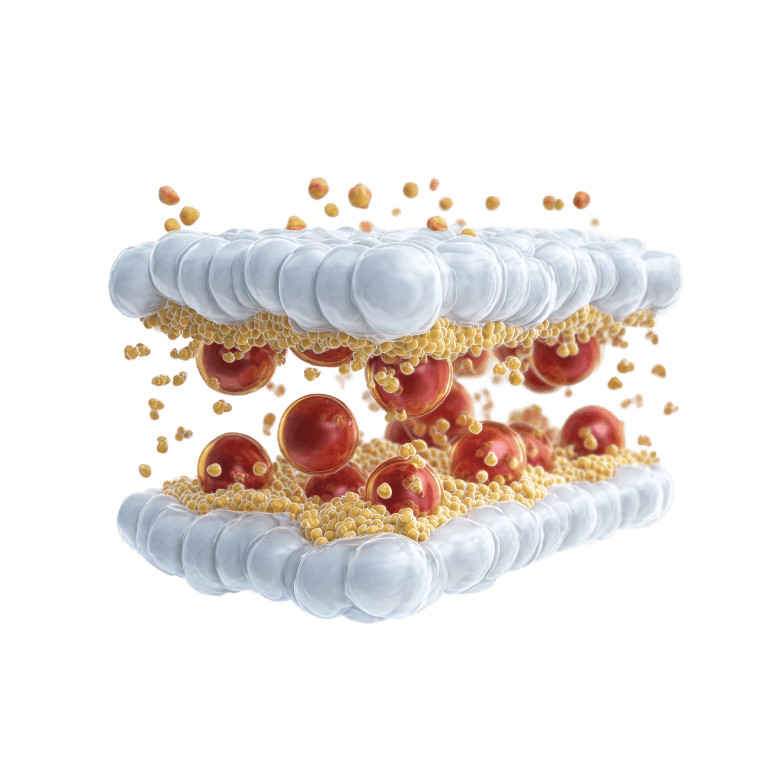
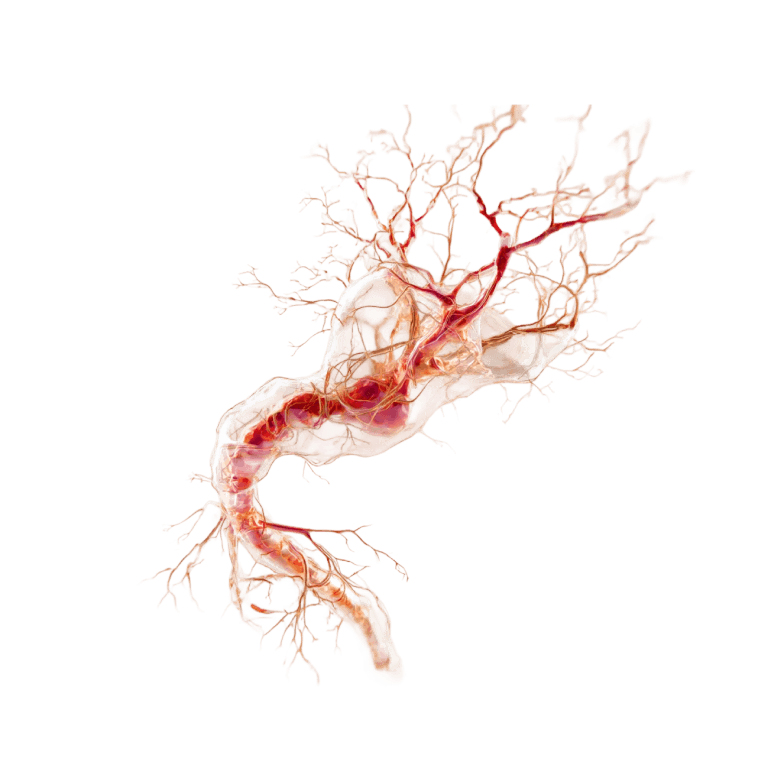
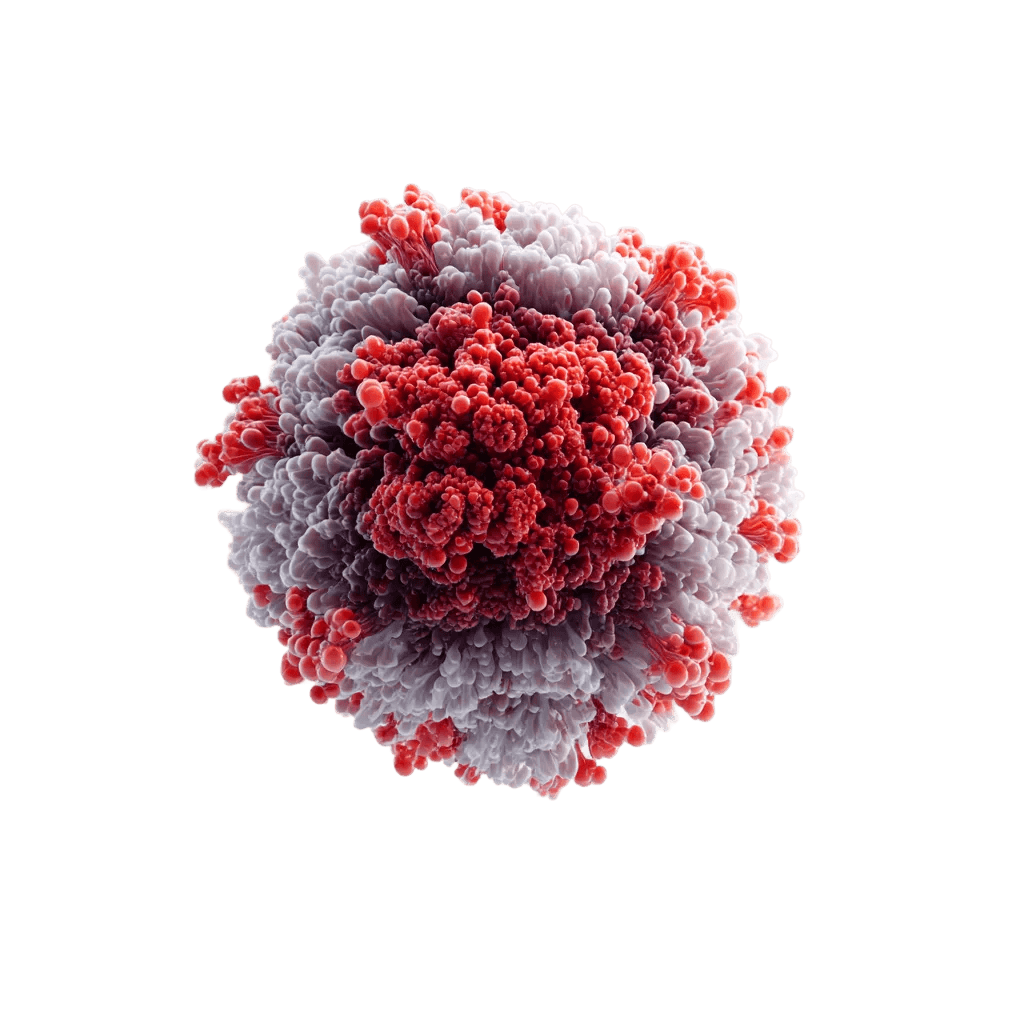
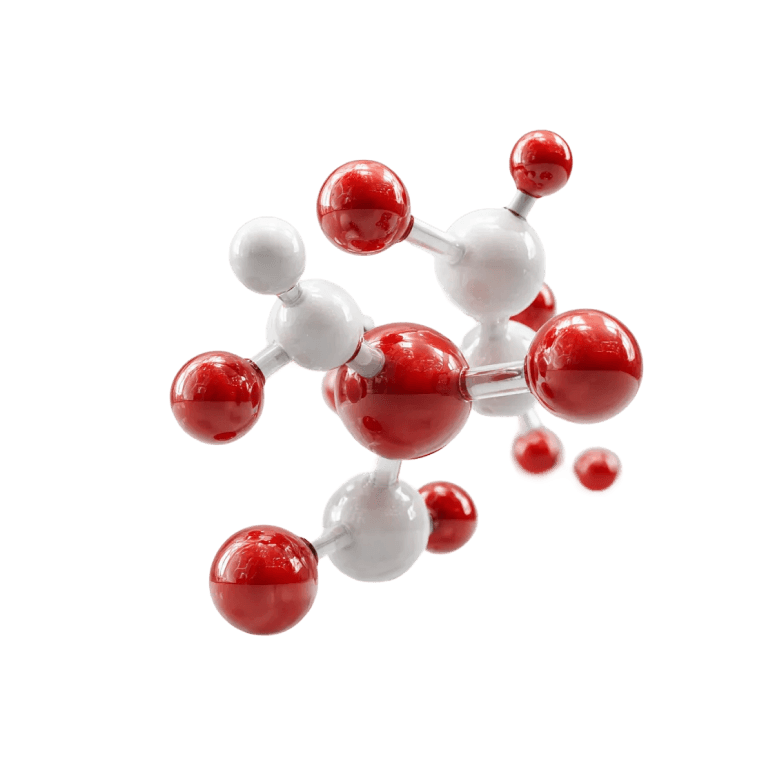
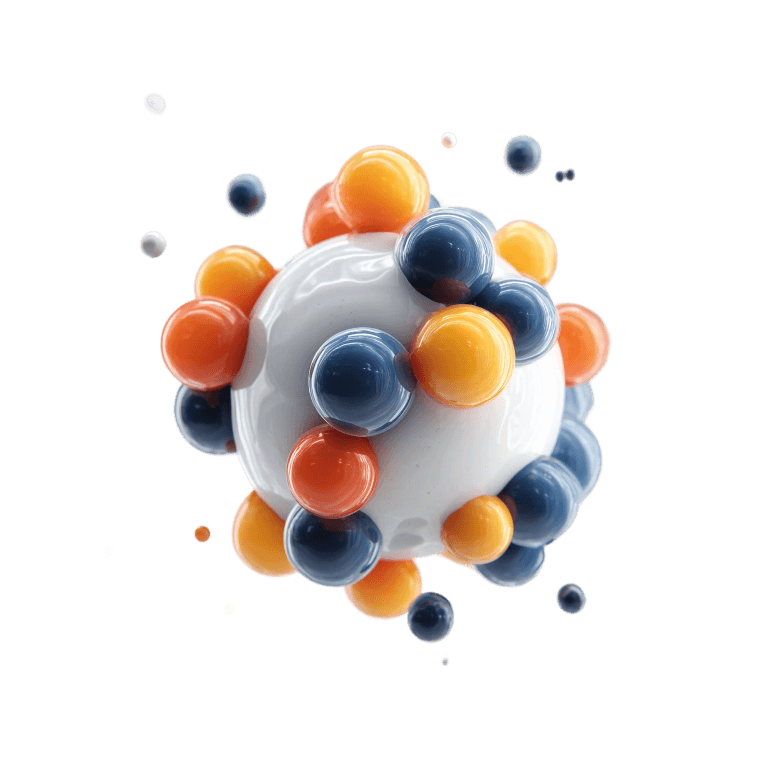
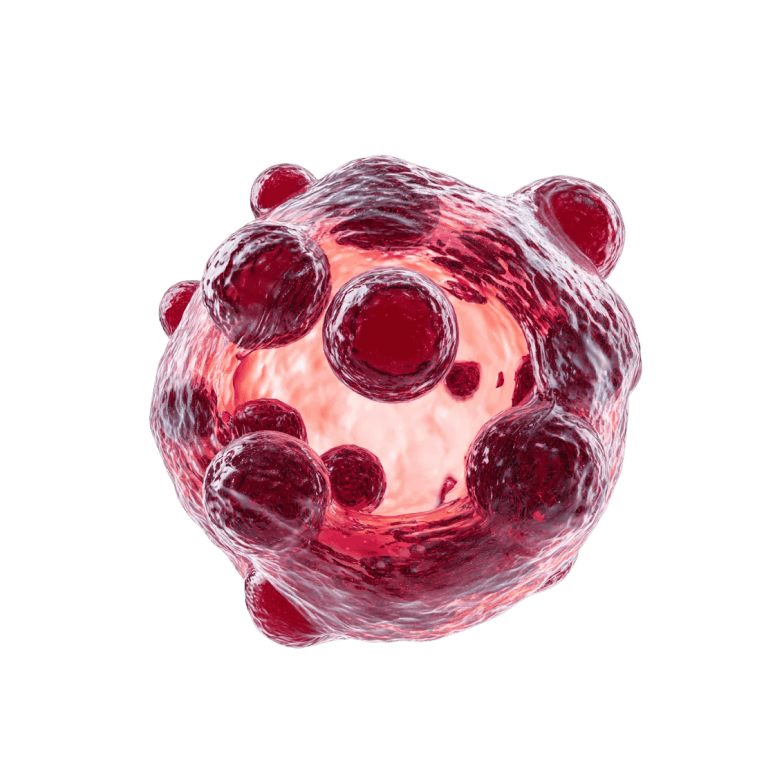
Cellular activation leads to a cascade of biological responses within the treated tissue.
These include increased microcirculation, nitric oxide (NO) release, upregulation of growth factors such as VEGF, and recruitment of progenitor and stem cells—supporting angiogenesis and tissue remodeling.
Localized biological response that promotes vascularization and regeneration.
*StemWave® does not claim that the results described in these studies are directly attributable to its system unless explicitly supported by device-specific clinical evidence and regulatory clearance.
Disclaimer: This content is provided for scientific and educational purposes only. It is not intended to diagnose, treat, cure, or prevent any disease. Individual results may vary. Information presented here does not constitute medical advice. Clinicians should consult the device Instructions for Use (IFU) and applicable regulatory labeling prior to use.
Regulatory notice: StemWave's PACE systems utilize controlled electrohydraulic shockwave generation, chosen for its reproducibility, precision, and scalability across treatment parameters.
Selected peer-reviewed references
Foundational & mechanistic research
Musculoskeletal & soft tissue research
Vascular, cellular, and tissue response studies

" transform="translate(1 1)" width="7px"/></svg>)
Everything you need to know about cutting edge medical device.
