
How a 40-Year Physical Therapist Broke Through Chronic Cases He Couldn’t Move for Decades
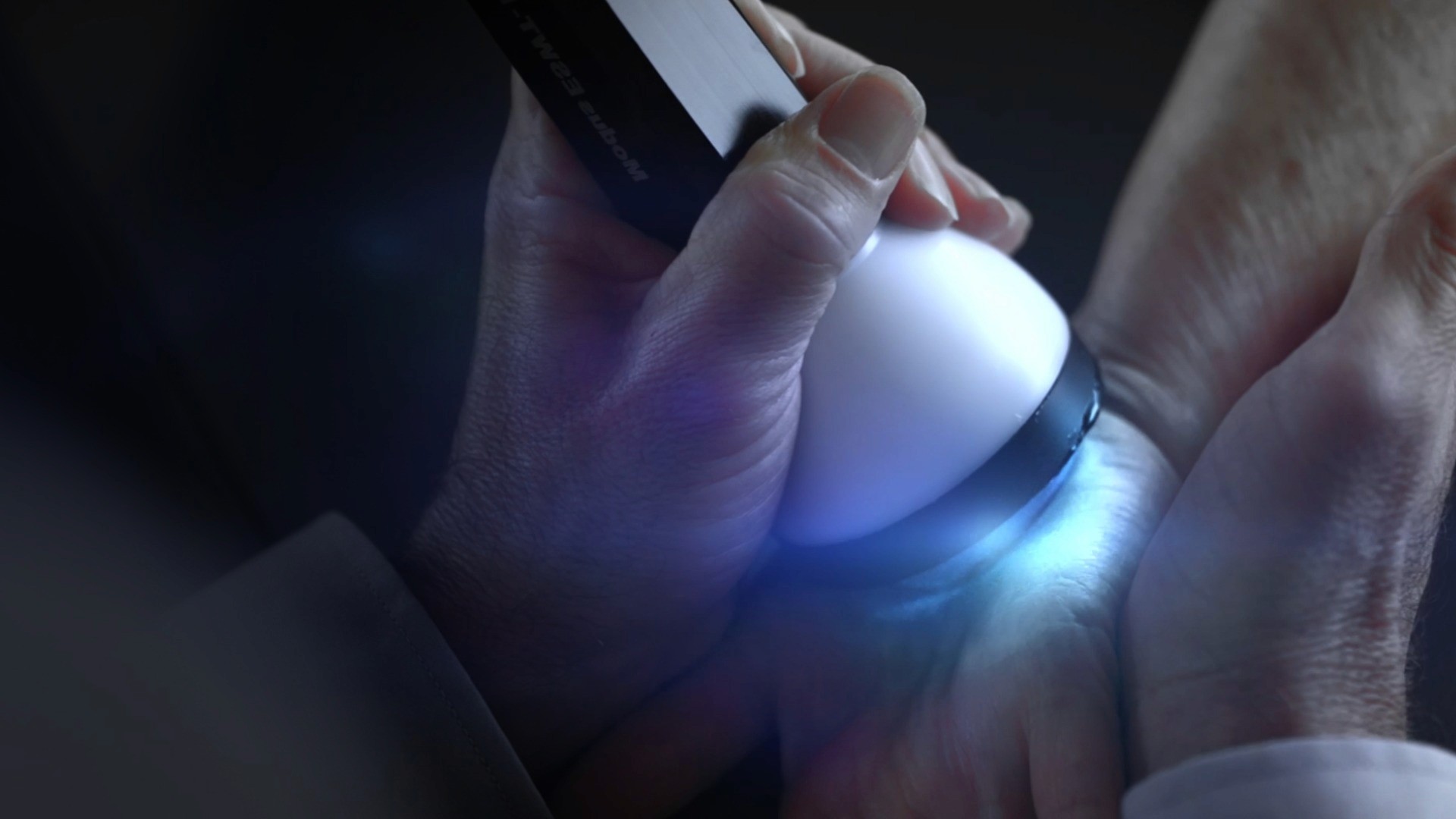
After nearly four decades in physical therapy, Joe Millen thought he had seen every tool the profession had to offer.
Diathermy. Ultrasound. Electrical stimulation. Microcurrent. Class 4 laser. Radial devices. Manual techniques refined over a career.
And yet, with certain patients, he kept hitting the same wall.
He could correct biomechanics.
He could retrain movement.
He could manually improve motion and strength.
But in chronic cases like arthritic joints, old nerve injuries, and post-stroke patients, he couldn’t convince the tissue itself to change.
“The mechanics were better. The movement was better,” Joe explains. “But I couldn’t get the body to actually heal the damaged tissue.”
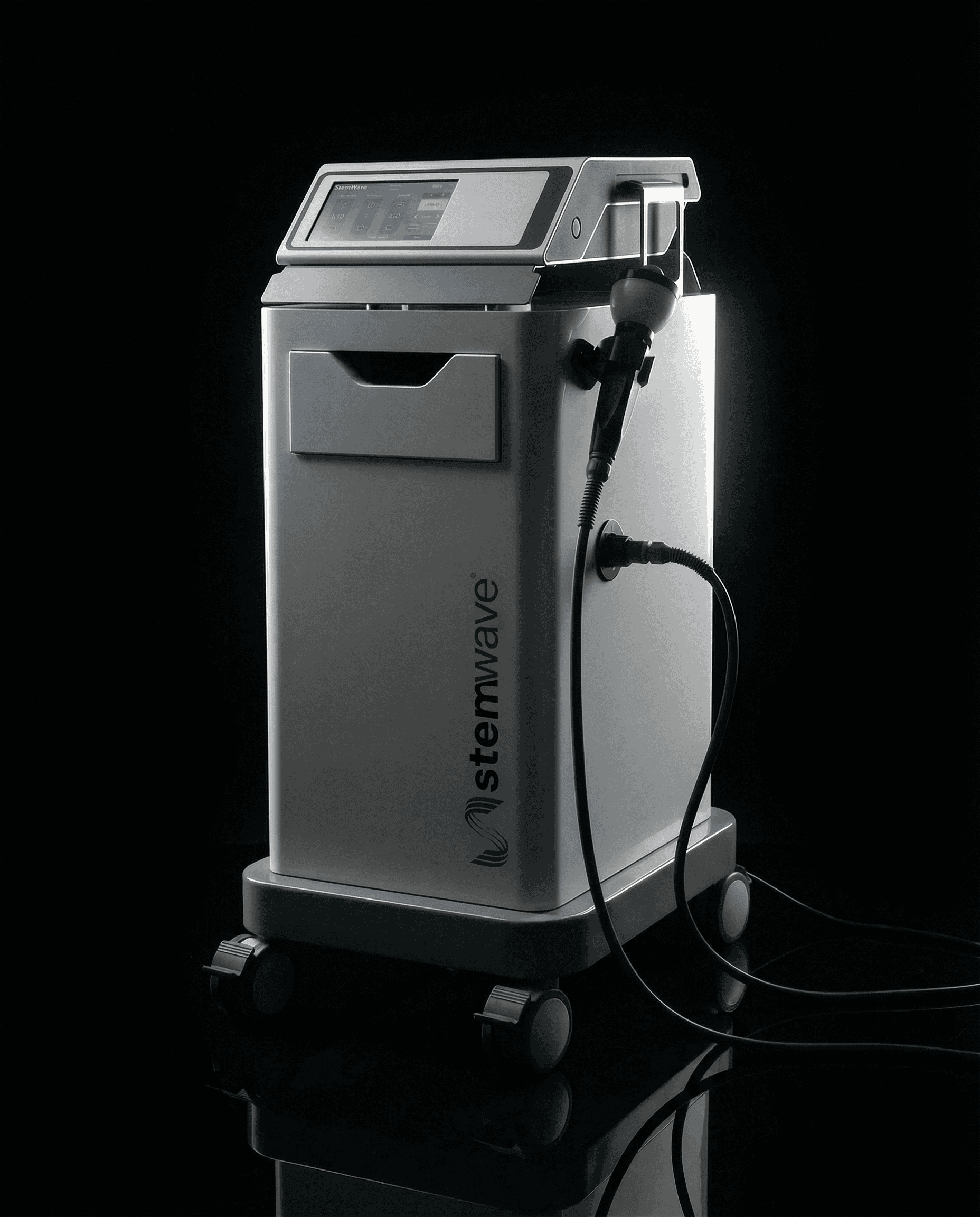
That changed when he introduced StemWave into his Clearwater, Florida practice.
Within two months, nearly all of his existing patients were benefiting from the technology, and the way he approaches care shifted entirely.
Joe Millen’s Practice Before StemWave
Joe graduated from physical therapy school in 1985 and has spent most of his career in private practice. His background is rooted in manual therapy and sports medicine, but his current caseload is broad by design.
He treats:
Chronic arthritic joints
Stroke patients
Old nerve injuries
Post-surgical cases
Traditional orthopedic and sports injuries
For the past 25 years, Joe has operated a fully cash-based practice. He made that decision intentionally.
“I felt insurance was driving physical therapy in a direction it didn’t belong, away from clinical outcomes and toward billing.”
His sessions are hands-on and comprehensive. He uses joint manipulations, mobilizations with movement (trained under Brian Mulligan), neuro-facilitory techniques, and what he describes as “manual interactive training.” Most visits involve treating the entire body, not just a single joint.
And yet, even with decades of experience and refined technique, some patients stopped progressing.
“I could put a joint in the right position, train loading correctly, retrain movement patterns. But I couldn’t jump-start healing in arthritic tissue or chronic tendinopathy.”
That ceiling became increasingly frustrating.
The Modalities Joe Tried Before StemWave
Joe’s search for a solution wasn’t new. Over his career, he tested nearly every modality available to physical therapists.
He used:
Diathermy and ultrasound early in his career
Electrical stimulation, including high-intensity Russian protocols
Microcurrent therapy
Class 4 laser (K-Laser), which he used consistently for eight years
Radial wave-oriented devices, including Theragun
The Class 4 laser was the modality he relied on most recently. He used it for years, but over time he noticed something concerning.
“In chronic conditions, I just wasn’t seeing progress.”
When the laser was stolen from his practice, it forced a decision: replace it, or find something fundamentally different.
“In some ways, it was serendipitous. I had to ask myself: Do I actually want to replace this?”
That search led him to StemWave.
Why the Science Behind Focused Wave Therapy Mattered
Joe describes himself as “a scientist at heart.” Before committing to any technology, he wanted to understand the research behind it.
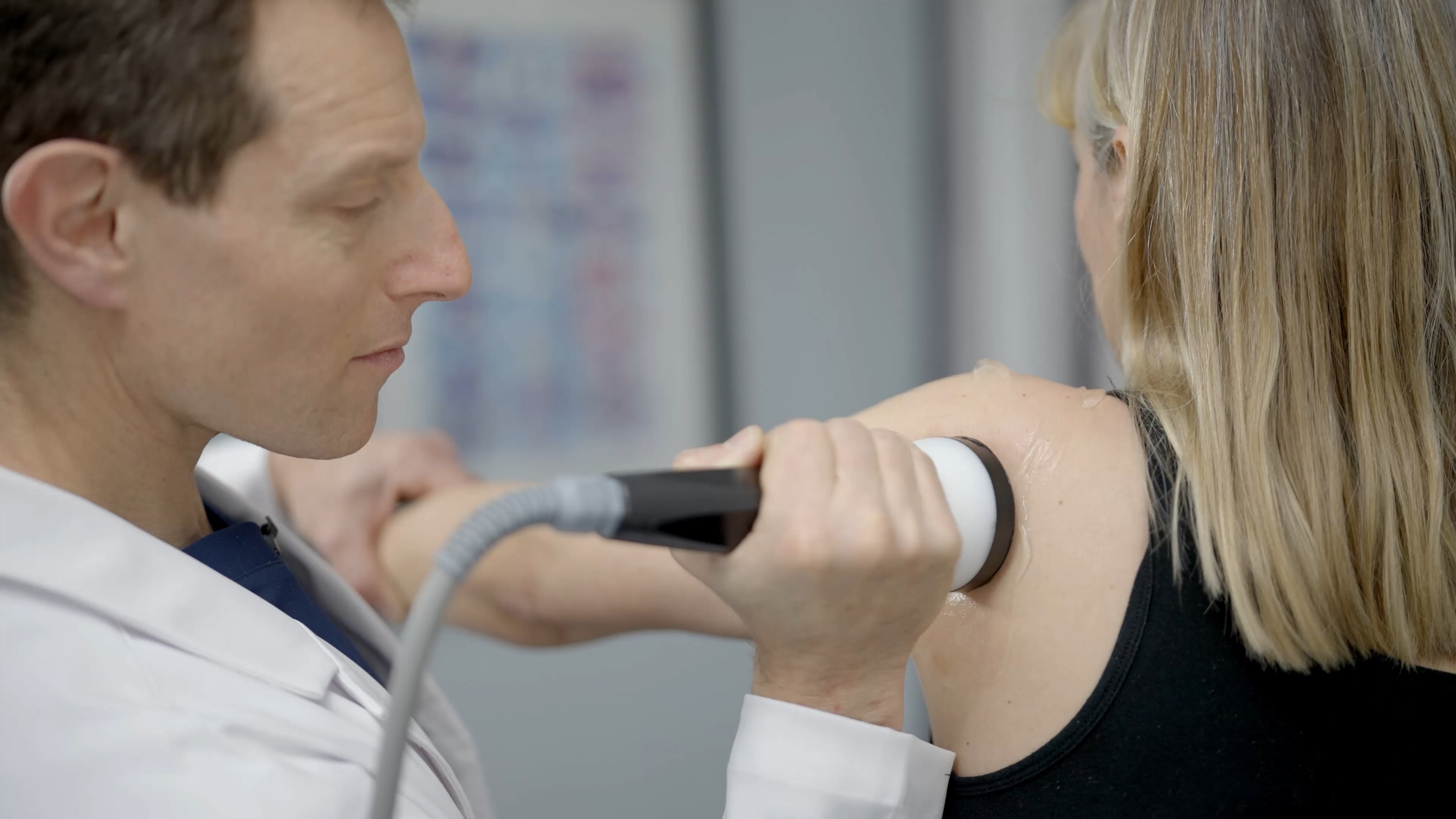
Electrohydraulic focused wave therapy delivers high-energy acoustic waves deep into tissue—up to 10–12 centimeters—stimulating biological repair processes in areas that have stopped responding to other interventions.
What stood out to Joe wasn’t just depth, but mechanism.
Laser and surface-based modalities primarily affect superficial tissue and rely on indirect biological signaling. Focused wave therapy delivers mechanical energy directly into deep structures—joints, tendons, nerves—where chronic pathology actually lives.
“When I started reading the research on extracorporeal shockwave, it completely re-engaged me clinically,” Joe says. “I’m constantly reading now because my patients don’t fit neatly into one category.”
For him, the science wasn’t marketing. It explained why chronic tissue that hadn’t responded for years was suddenly changing.
What Joe Started Seeing Clinically
Within the first two months of integrating StemWave, Joe reported meaningful improvements across multiple chronic condition categories.
Chronic Arthritic Joints
Arthritic knees became the most consistent early win.
“The chronic arthritic knees responded amazingly well,” Joe explains. “It’s almost like the fluid film layer of the joint is restored. Pain improves almost immediately.” He also saw breakthrough improvements in shoulders he had struggled with for years.
“These were joints I had been beating my head against the wall trying to get motion from.”
Old Nerve Injuries
Two cases stood out:
A patient whose nerve was nicked during hip surgery 3.5 years earlier
An 80-year-old man who lost plantar flexor function after severe spinal stenosis surgery nearly 20 years ago
Both patients had plateaued despite extensive manual therapy.
“These were injuries where you’re theoretically not supposed to see return,” Joe says. “When we added StemWave, we saw changes almost immediately.”
Stroke Patients
Joe began using StemWave with stroke patients to address hypertonicity and neural restriction.
By treating muscle, soft tissue, and nerve pathways together, he observed reductions in excessive tone and improved responsiveness to therapy.
Achilles Tendinopathy
Achilles tendinitis became his most predictable success.
“I’ve treated four or five cases so far, and it’s been a home run almost every time,” he says. “They heal faster and then rehab actually works better.”
An Unexpected Benefit: Better Diagnosis
One of the surprises for Joe was how StemWave changed his examination process.
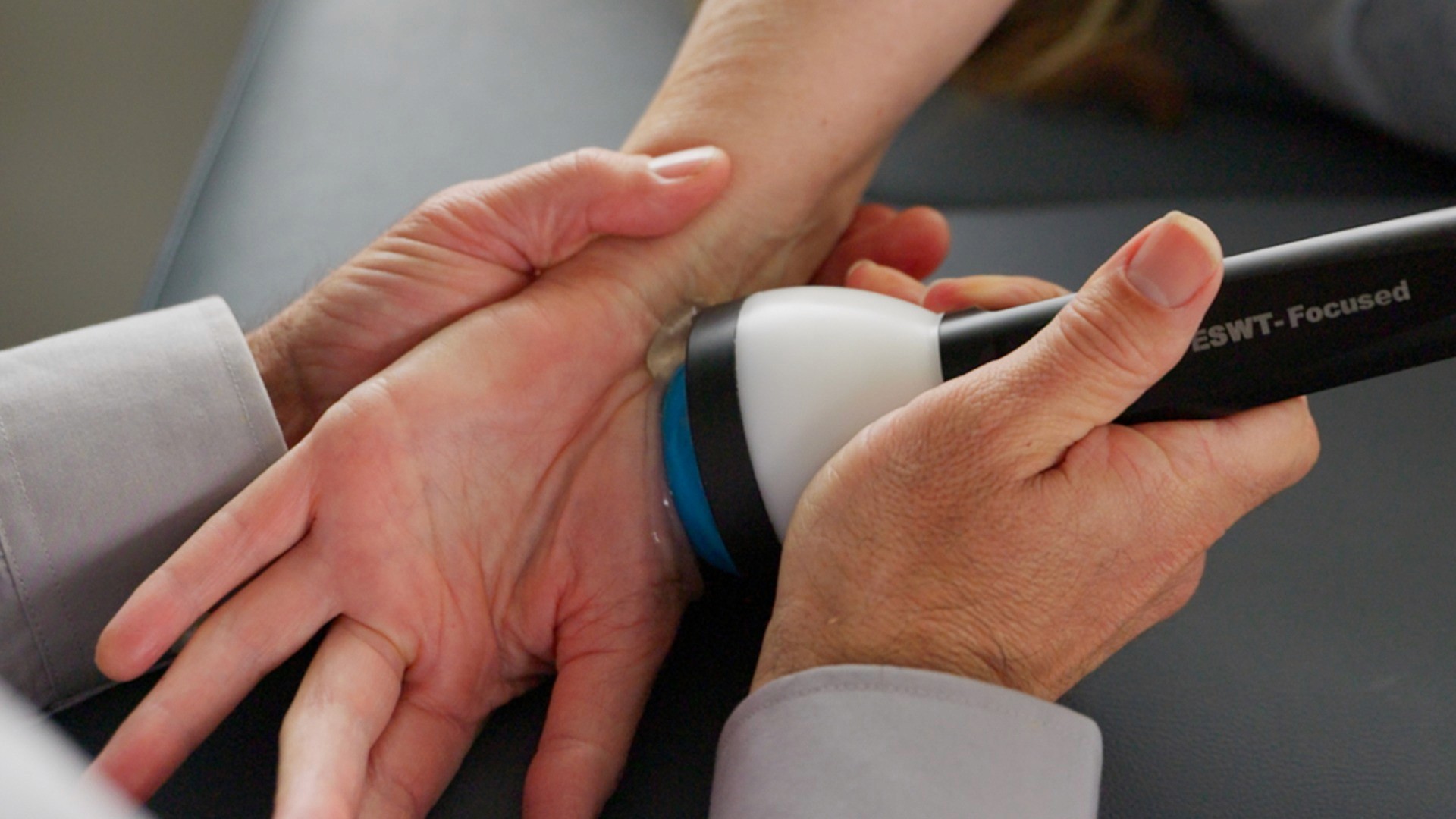
As he traced tissue with the applicator, painful areas often appeared in places he hadn’t identified manually.
“With a rotator cuff patient, I found localized spasms in the muscle belly, areas you don’t always catch when you’re focused on insertions.”
In post-surgical knee patients, areas of cartilage thinning or surgical debridement “lit up” during treatment, giving him immediate feedback.
“It’s actually made me a better examiner.”
How StemWave Changed Everything Else Joe Was Doing
For Joe, the most important shift wasn’t just pain relief. It was how effective the rest of his therapy became.
When StemWave is applied before manual therapy:
Joints mobilize with far less force
Tissue feels “hyper-lubricated”
Aggressive techniques are no longer necessary
“You can use gentle passive motion and get better results,” he explains.
Muscle response changed as well. Patients who had been guarding injured tissue could contract more effectively once the underlying irritation was addressed.
“This is the key,” Joe says. “Now everything else sticks. The body isn’t protecting damaged tissue anymore because it’s not damaged.”
Joe’s Practice: Before and After StemWave
Category | Before | After |
|---|---|---|
Chronic arthritic joints | Plateau despite manual care | Rapid pain relief, improved mobility |
Old nerve injuries | Long-term plateaus | Breakthrough changes |
Manual therapy | Required forceful techniques | Lighter techniques, better outcomes |
Diagnosis | Manual exam only | Tissue feedback during treatment |
Modalities | Limited chronic response | ~95% of patients benefiting |
Clinical engagement | Growing frustration | Renewed curiosity and confidence |
Getting Started With StemWave
Joe didn’t rush the decision.
He attended a group training, then visited another provider to experience treatment firsthand—both for himself and his wife.
His shoulder issue improved after the first session. His wife’s chronic foot condition improved the same day.
The 60-day risk-free trial mattered.
“That gave me the ability to evaluate it honestly. If it didn’t work, I could send it back.”
Instead, Joe completed over 500,000 pulses during the trial—ten times the minimum requirement.
Within two months, he had already recouped a significant portion of the investment.
Provider Support That Stood Out
Joe has purchased many devices over his career. His assessment was blunt.
“StemWave is head and shoulders above anyone I’ve worked with.”
What stood out:
Weekly clinical coaching calls
An active provider community
A dedicated account manager
Marketing support that adapts to each practice’s culture
Hands-on group training
“They don’t try to change how you practice. They help you integrate.”
How Joe Prices StemWave
Joe integrated StemWave into his existing cash model:
Add-on to PT session: +$100
Initial consult + treatment (30 min): $150
Standalone treatment:
1 joint: $175
2 joints: $250
3 joints: $300–$350
He often treats both knees proactively, even if only one is symptomatic.
Joe’s Advice to Providers
His recommendation is simple:
Get hands-on experience
Get treated yourself
Pay attention to diagnostic feedback
Treat it as a cash-based clinical tool
“If it’s not working, it’s usually a usage issue—not the technology. The research is there.”
Final Thought
For Joe Millen, StemWave didn’t replace physical therapy.
It removed the ceiling that had been holding it back.
Interested in seeing whether StemWave could change your toughest cases?
Book a discovery call and try StemWave for 60 days, $0 down →
Read more


" transform="translate(1 1)" width="7px"/></svg>)
Everything you need to know about cutting edge medical device.
