
Focused Shockwave vs. Radial Pressure Wave: Clinical Differences, Physics, and Outcomes
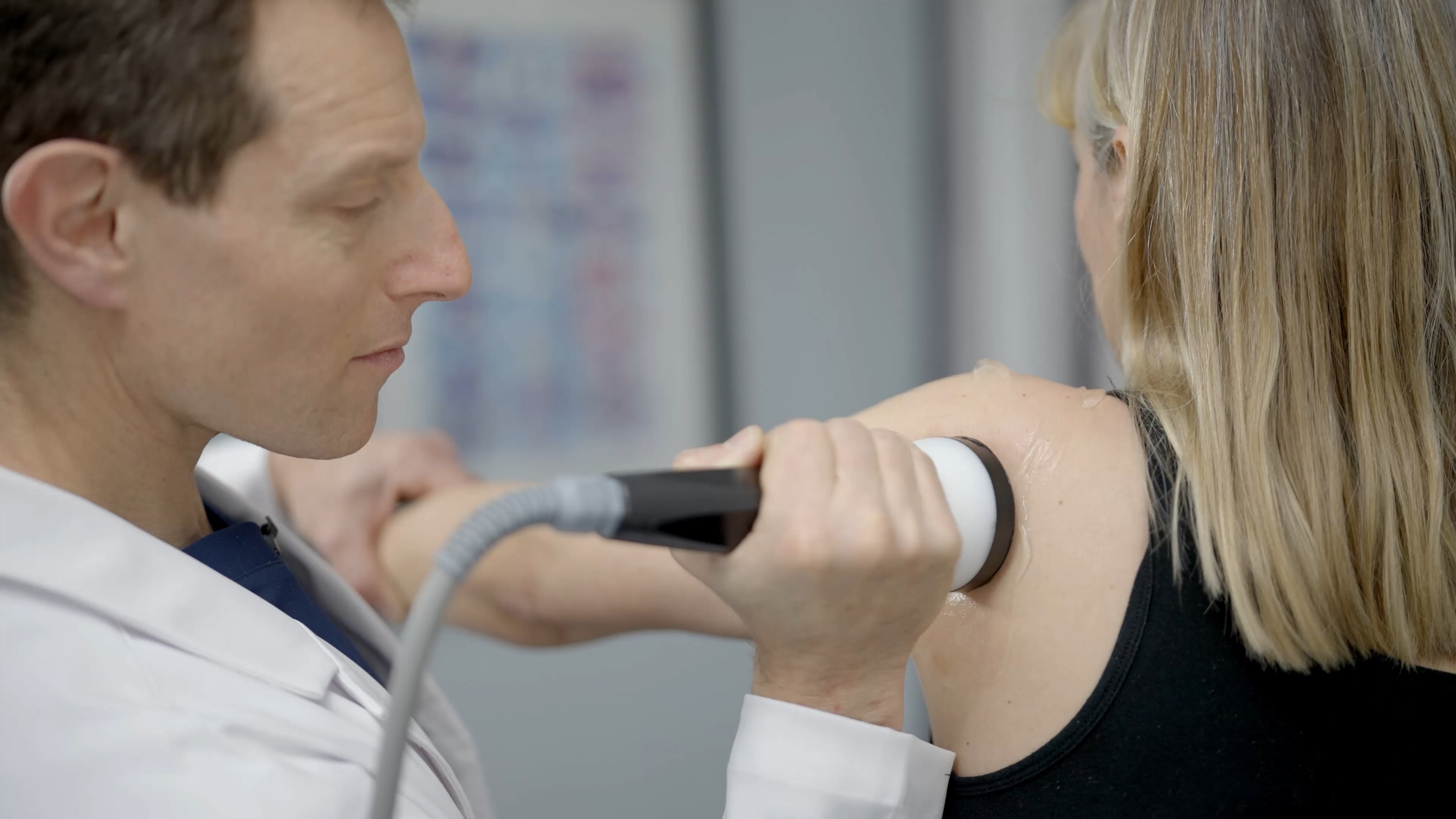
While both focused shockwave and radial pressure wave therapies are marketed under the same umbrella, their underlying physics, tissue interaction, and clinical outcomes are fundamentally different.
What Are the Fundamental Differences?
Three primary wave therapy categories exist.
Each has distinct generation mechanisms and clinical characteristics. Understanding these differences matters because it directly affects patient outcomes.
Technology | Generation Method | Rise Time | Wave Classification |
Electrohydraulic (Focused) | Plasma bubble explosion | 5 to 10 nanoseconds | True shockwave |
Electromagnetic (Focused) | Magnetic vibration/convergence | 8 to 500 nanoseconds | Focused pressure wave (device- and setting-dependent) |
Radial (Ballistic) | Pneumatic projectile impact | Not applicable | Pressure wave |
The technical terminology matters because it describes real physical differences that affect therapeutic outcomes. Research by Jokinen and colleagues suggests categorizing these as “focused pressure waves” (electromagnetic, piezoelectric) and “focused shockwaves” (electrohydraulic) based on their physical characteristics.
They’re not the same thing called different names. They’re entirely different technologies.
Why Does Rise Time Matter?
Rise time describes how quickly a pressure wave reaches its peak intensity. It is one of the key physical characteristics used in the scientific literature to distinguish shockwaves from conventional pressure waves.
In physics-based definitions, shockwaves are generally characterized by:
Supersonic propagation (approximately 1,500 m/s in soft tissue)
Very rapid pressure rise (reported in the nanosecond range)
Non-linear wave behavior, distinct from standard acoustic waves
Electrohydraulic systems generate shockwaves via a plasma discharge that creates a rapidly expanding vapor bubble in water. Independent measurements using high-resolution hydrophones have reported very short rise times, in some cases below 10 nanoseconds, though exact values vary by device design and measurement method.
Electromagnetic systems, by contrast, generate focused acoustic pressure waves through magnetic membrane acceleration. Reported rise times for these systems span a broader range — from single-digit nanoseconds to several hundred nanoseconds — depending on system configuration and output settings. For this reason, many authors classify electromagnetic output as focused pressure waves rather than true shockwaves based on strict physical criteria.
This distinction is not merely semantic. Differences in wave physics influence how energy propagates through tissue and may contribute to differences in biological response observed across technologies.
How Do Focal Zone Characteristics Compare?
The focal zone describes where therapeutic energy concentrates. Different technologies produce very different focal zone profiles.
Characteristic | Electrohydraulic | Electromagnetic | Radial |
Penetration Depth | Up to 12 cm | 12 to 12.5 cm | 3 to 4 cm max |
Focal Zone Width | Several centimeters | 2 to 3 millimeters | Disperses from surface |
Treatment Coverage | Wider area per application | Requires repositioning | Superficial only |
Best Applications | Deep and superficial conditions | Precise targeting needed | Superficial trigger points |
Most musculoskeletal conditions involve tissue pathology across centimeters rather than millimeters. Rotator cuff tendons. Lumbar fascia. Hip tendon insertions. The focal zone width matters clinically because it determines how much repositioning is required during treatment.
Wider focal zones mean more efficient treatment sessions. Narrower focal zones mean more precise targeting but also more repositioning and longer treatment times.
What Does the Clinical Research Show?
Theory and physics matter, but clinical outcomes matter more. What happens when you actually compare these technologies in patients?
Focused vs. Radial: Rotator Cuff Study
Li and colleagues conducted a randomized controlled trial comparing focused and radial shockwave therapy for noncalcific rotator cuff tendinopathies. This is exactly the kind of head-to-head comparison that helps inform technology decisions.
Study Details:
Sample size: 46 patients randomized, 44 completed analysis
Protocol: 4 sessions, weekly intervals
Primary outcome: NRS pain score at 24 weeks
Results at 24 weeks:
Focused shockwave: NRS pain 2.7
Radial pressure wave: NRS pain 4.5
Statistical significance: p less than 0.001
Results at 48 weeks:
Focused shockwave: NRS pain 1.4
Radial pressure wave: NRS pain 3.0
Statistical significance: p less than 0.001
That’s a meaningful clinical difference. Pain scores nearly half as high with focused versus radial at one year follow-up.
MRI improvement at 48 weeks:
Focused: 100% showed one grade or more improvement
Radial: 50% showed one grade or more improvement
Statistical significance: p equals 0.032
The authors concluded that focused shockwave appeared more effective than radial for long-term outcomes in rotator cuff tendinopathies. Not marginally better. Substantially better.
“We know within a treatment or two, the StemWave technology is gonna give reliable results.”
– Dr. Davis, Brainerd, MN.
“From MCL to meniscus, ACL, tennis and golfer’s elbow, shoulder issues, low back, you name it. Everybody’s been thrilled with StemWave.”
– Dr. Purscell, Fort Worth, TX.
How Should Providers Evaluate Technology Options?
Comparing wave therapy technologies requires systematic evaluation. Consider these factors when making your decision.
Patient population: Deep tissue conditions favor focused technology. Superficial conditions may respond to radial.
Treatment efficiency: Broader focal zones reduce repositioning and treatment time.
Clinical evidence: Review published research specific to conditions you treat.
Provider support: Training, protocols, and ongoing clinical guidance matter.
Risk evaluation: Trial periods allow assessment before major investment. StemWave offers 60 days, $0 to start.
People Also Ask
Is radial therapy effective?
For superficial conditions like myofascial trigger points and superficial tendinopathies, radial therapy shows clinical benefit. However, for deeper pathology requiring penetration beyond 3 to 4 cm, focused technologies demonstrate superior outcomes in comparative studies like Li et al. 2021.
What’s the price difference between these technologies?
Radial devices typically cost less upfront but may limit treatable conditions. Electrohydraulic and electromagnetic focused systems represent larger investments but expand clinical capability. StemWave’s 60 day, $0 to start model allows evaluation before commitment.
Can one device treat all musculoskeletal conditions?
StemWave reports coverage of over 150 treatment areas, making it applicable across a broad range of musculoskeletal conditions. The wider focal zone and deeper penetration enable versatility that narrower technologies can’t match.
FAQ
Q: Does electromagnetic shockwave therapy work?
A: Electromagnetic devices produce therapeutic effects, though technically generating “focused pressure waves” rather than true shockwaves based on rise time characteristics. Clinical outcomes vary by condition and device parameters. The important thing is understanding what you’re actually delivering.
Q: Which technology has the most research support?
A: Electrohydraulic technology has the longest research history as the original form of extracorporeal shockwave therapy. Decades of published studies across multiple conditions support its efficacy.
Q: How do I choose between focused technologies?
A: Consider focal zone characteristics for your patient population. Evaluate published evidence for conditions you treat most frequently. Utilize trial periods to assess clinical fit before commitment. Let results guide your decision.
The Bottom Line
Not all wave therapy technologies are equivalent. The physics matter. The clinical evidence matters. The patient outcomes matter most of all.
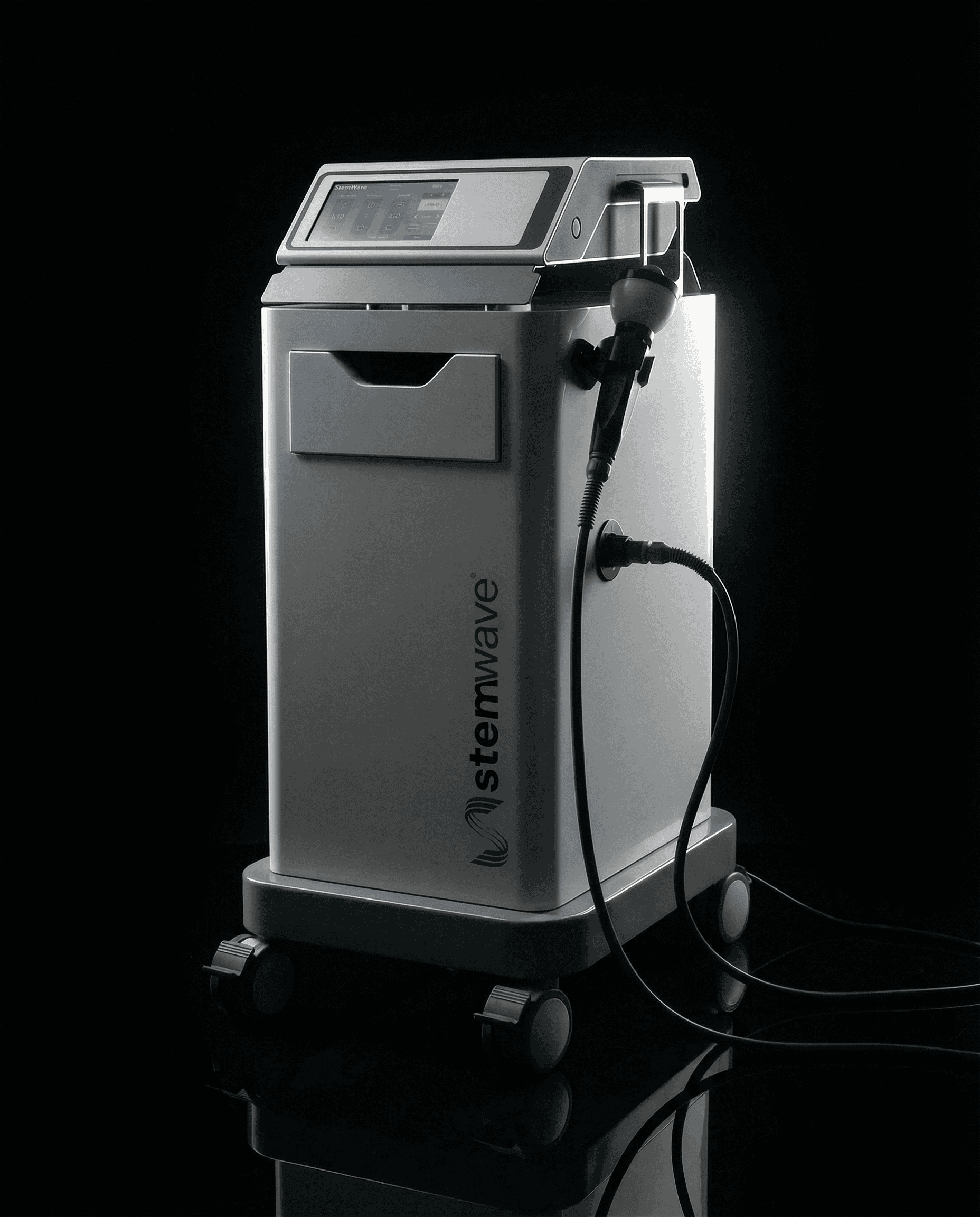
Electrohydraulic focused wave therapy produces true shockwaves with wider focal zones and documented superior outcomes in head-to-head comparisons. The research supports it. The clinical experience confirms it.
Read more



"/><stop offset="1" stop-color="rgba(120, 120, 120, 0)"/></linearGradient></defs><path d="M 3.5 0 C 5.433 0 7 1.567 7 3.5 C 7 5.433 5.433 7 3.5 7 C 1.567 7 0 5.433 0 3.5 C 0 1.567 1.567 0 3.5 0 Z" fill="url(%23Yb_LPHN9p-114151446-linear-gradient)" height="7px" id="Yb_LPHN9p" transform="translate(1 1)" width="7px"/></svg>)

Everything you need to know about cutting edge medical device.
