
Why 2026 Will Be the Year of Cash-Pay Medicine and What Healthcare Providers Need to Know for the New Year

2026 is shaping up to be a pivotal financial point for private practices. Medicare reimbursements continue to trail inflation, ACA subsidy expansions are set to expire, and millions of patients are expected to lose coverage overnight. The math no longer works in a purely insurance-based model, leading clinics to rethink how they deliver value and how they stay afloat in this time.
And the fastest-growing solution? Cash-pay medicine. The direct primary care market alone is projected to more than double over the next decade, signaling a broader shift toward patient-funded care.
What’s Driving the Shift to Cash-Based Healthcare in 2026?
Multiple converging factors are creating perfect conditions for cash-based medicine expansion in 2026 and beyond.
Medicare Reimbursement Crisis
The Medicare Payment Advisory Commission (MedPAC) proposed updating 2025 Medicare base payment rates by the Medicare Economic Index (MEI) minus 1% for 2026. However, the One Big Beautiful Bill Act (OBBBA) signed into law in July 2025 included only a temporary one-year 2.5% conversion factor update for 2026.
What This Means:
No permanent inflation-adjusted payment fix
Reimbursement continues lagging behind actual cost increases
Provider consolidation accelerating as solo practices struggle
Access to care objectively deteriorating for Medicare beneficiaries
The 2026 Medicare Physician Fee Schedule finalizes payment rate increases of 3.77% for qualifying providers in advanced alternative payment models and 3.26% for other physicians. While this represents improvement over recent years, it falls dramatically short of the 8.5% medical cost trend projected for 2026.
Medical Cost Trends Vastly Outpacing Reimbursement
PwC’s 2026 medical cost trend analysis projects that commercial payers will face 8.5% cost increases for the Group market and 7.5% for the Individual market, maintaining the same elevated levels as 2025.
Key Cost Drivers:
Hospital wages rising faster than national averages
Pharmacy cost trends 2.5 points higher than medical trends
Labor shortages driving increased wage expenses
Administrative burden from insurance coordination
Meanwhile, hospital operating margins averaged 2.1% in 2024 compared to 7.0% in 2019. Many rural hospitals depend on government payers and face waves of potential closures. Hospitals with positive margins are passing increased costs to commercial payers to maintain viability.
Insurance Coverage Losses
OBBBA creates new administrative requirements and work requirements for Medicaid eligibility while restricting states’ ability to use provider taxes to finance Medicaid programs. Enhanced ACA premium tax credits expire at the end of 2025 unless Congress acts.
Projected Impact: An estimated 11.8 million people will lose healthcare coverage due to OBBBA provisions. Consumers who opt to go uninsured or underinsured leave the remaining pool populated with sicker consumers, driving up premiums further.
Direct Primary Care Market Explosion
The Direct Primary Care (DPC) market demonstrates where patient preferences are heading. Market size stood at $3.5 billion in 2024 and forecasts project growth to $7.8 billion by 2033, representing a 9.5% compound annual growth rate.
Current Adoption: Approximately 10% of U.S. primary care physicians have adopted some form of DPC according to the American Academy of Family Physicians. This percentage continues growing as patients seek accessible, affordable healthcare solutions outside traditional insurance-based systems.
What Does Cash-Based Medicine Look Like in Practice?
Cash-based healthcare models vary significantly depending on specialty, patient population, and service offerings.
Direct Primary Care Model
Patients pay membership fees directly to healthcare providers, bypassing traditional insurance billing systems. Monthly fees typically range from $50-150 per month depending on the practice and services included.
Core Benefits:
Longer appointment times (30-60 minutes vs. 15 minutes)
Direct access to physicians via phone, text, or email
No copays or deductibles for included services
Transparent, predictable pricing
Reduced administrative burden for providers
Cash-Based Specialty Services
Specialized services including regenerative medicine, advanced imaging, aesthetic procedures, and innovative treatment modalities increasingly operate outside insurance networks.
Common Cash-Based Specialties:
Physical therapy and rehabilitation
Chiropractic care
Pain management procedures
Regenerative medicine (PRP, stem cell therapy, acoustic wave therapy)
Aesthetic and cosmetic procedures
Sports medicine services
Hybrid Models
Many practices adopt hybrid approaches, accepting insurance for some services while offering premium cash-based options for treatments insurance doesn’t cover or for patients seeking enhanced care experiences.
Hybrid Advantages:
Maintains existing insurance-based patient base
Provides premium revenue streams
Offers patients choice in how they access care
Reduces dependence on insurance reimbursement fluctuations
What Are the Financial Advantages of Cash-Based Medicine?
Predictable Revenue Streams
Insurance reimbursement involves 30-90 day payment delays, billing denials, appeals, and administrative overhead. Cash-based services provide immediate payment, either upfront or through patient financing arrangements.
Reduced Administrative Overhead
The American Medical Association estimates that physicians spend approximately $99,000 annually per physician interacting with health plans. This includes:
Prior authorization requirements
Claims submission and tracking
Denial management and appeals
Insurance verification
Coding and documentation for compliance
Cash-based practices eliminate or dramatically reduce these administrative costs, allowing providers to focus clinical time on patient care rather than paperwork.
Higher Profit Margins
When providers can set their own pricing based on value delivered rather than insurance fee schedules, profit margins increase substantially.
Typical Margin Comparison:
Insurance-based services: 15-30% profit margin after overhead
Cash-based services: 60-80% profit margin depending on service type and operational efficiency
Competitive Differentiation
Few clinics in any given market offer comprehensive cash-based specialty services. Providers who position themselves as premium destinations for specific conditions or treatment modalities can command premium pricing and attract motivated patients.
What Challenges Do Cash-Based Practices Face?
Patient Sticker Shock
Patients accustomed to $25 copays may initially balk at $200+ session fees, even when total out-of-pocket costs over a treatment course prove lower than insurance-based deductibles and copays.
Addressing Price Objections:
Successful cash-based practices reframe conversations from “cost per visit” to “value of outcomes”:
What has insurance-covered care achieved for this condition?
What would solving this problem be worth to you?
How much have you already spent without resolution?
What’s the cost of not solving this problem (lost work, reduced quality of life, eventual surgery)?
Marketing and Patient Education
Cash-based services require proactive marketing. Patients won’t ask about treatments they don’t know exist. That’s why we’ve developed our own in-house marketing team here at StemWave to handle this for all providers
Essential Marketing Components:
Dedicated website landing pages explaining services, conditions treated, outcomes, and pricing
Patient success stories (with permission)
Educational content demonstrating expertise
Clear calls-to-action for consultations
Internal referral from existing patient base
Community workshops and presentations
Cash Flow Management
While cash-based revenue provides immediate payment, initial practice cash flow can challenge providers transitioning from insurance-based models.
Cash Flow Strategies:
Start with hybrid model maintaining some insurance revenue
Offer package pricing with upfront payment
Provide patient financing options through third-party services
Build financial reserves before fully transitioning
How Should Providers Prepare for Cash-Based Medicine in 2026?
Identify Service Line Opportunities
Not all services work well as cash-based offerings. The most successful cash-based services share common characteristics:
Ideal Cash-Based Service Characteristics:
Addresses conditions poorly served by insurance-covered options
Delivers rapid, measurable results patients can feel
Provides outcomes patients highly value
Requires specialized expertise or technology
Involves reasonable treatment protocol duration (not indefinite ongoing care)
Examples in Musculoskeletal Medicine:
Regenerative treatments (acoustic wave therapy, PRP, prolotherapy)
Advanced manual therapy techniques
Sports performance optimization
Post-surgical rehabilitation enhancement
Chronic pain conditions resistant to conventional care
Develop Consultation-to-Conversion Systems
Cash-based services require consultations where patients understand treatment rationale, see value proposition, and commit to protocols.
Consultation Framework:
Understand Pain Story (5 minutes)
Condition duration and severity
Previous treatments attempted
Impact on daily life and activities
Desired outcomes
Explain Mechanism (5 minutes)
How treatment addresses the underlying pathology
Why insurance-covered options haven’t resolved the condition
Evidence supporting approach
Visual aids (diagrams, imaging) when relevant
Show Social Proof (3 minutes)
Similar patient case studies
Testimonials demonstrating outcomes
Before/after documentation when appropriate
Outline Protocol (3 minutes)
Treatment frequency and duration
Expected improvement timeline
Total investment
Available payment options
Transparency eliminates objections. Patients respect clarity over sales tactics.
Create Financial Accessibility
Premium pricing doesn’t mean unaffordable. Smart cash-based practices offer payment options:
Payment Structures:
Package pricing with modest discounts for upfront payment
Payment plans through third-party medical financing (CareCredit, PatientFi, Sunbit)
Tiered pricing based on number of areas treated
Family or multi-treatment discounts
Build Internal Referral Systems
Existing patients provide the lowest-cost, highest-conversion source of new cash-based service patients.
Internal Marketing Strategies:
Staff education on identifying candidates during routine visits
Patient education materials in waiting areas
Email campaigns to existing patient database
Low-cost introductory sessions or consultations
Referral incentive programs
Invest in Training and Technology
Cash-based specialty services often require specific equipment, techniques, or certifications.
Implementation Essentials:
Comprehensive clinical training on techniques and protocols
Equipment or technology with proven outcomes
Marketing support and templates
Community of practitioners for ongoing learning
Business systems for tracking outcomes and optimizing conversions
What Regulatory Considerations Apply to Cash-Based Medicine?
Medical Necessity Documentation
Even when insurance doesn’t cover services, providers must maintain appropriate clinical documentation demonstrating medical necessity and appropriateness of treatments.
Informed Consent
Cash-based services require clear informed consent processes:
Treatment nature and expected outcomes
Potential risks and complications
Alternative treatment options
Financial obligations and payment expectations
No guarantees of specific outcomes
Truth in Advertising
Marketing claims must be truthful, not misleading, and supported by evidence. Avoid:
Guaranteed outcomes or cure claims
Before/after photos without proper consent and context
Testimonials misrepresenting typical results
Comparisons to other providers without substantiation
Scope of Practice
Ensure all treatments offered fall within provider scope of practice and licensure requirements. Seek appropriate training and certification before offering new treatment modalities.
What Cash-Based Services Show Highest Success Rates?
Regenerative Medicine Procedures
Treatments stimulating the body’s natural healing mechanisms, including platelet-rich plasma (PRP), prolotherapy, and acoustic wave therapy, have demonstrated strong market adoption.
Success Factors:
Address conditions where conventional care plateaus
Provide non-surgical alternatives
Deliver measurable outcomes
Supported by growing research base
Advanced Manual Therapy
Specialized hands-on techniques beyond standard massage or adjustment, particularly when combined with movement education and exercise prescription.
Success Factors:
Longer sessions allowing thorough treatment
Personalized care plans
Emphasis on education and patient empowerment
Positions provider as specialist rather than commodity
Sports Performance and Recovery
Services optimizing athletic performance, accelerating recovery, or preventing injury appeal to motivated patient populations willing to invest in their capabilities.
Success Factors:
Measurable performance improvements
Competitive advantage for athletes
Prevention focus rather than reactive care
Younger demographics comfortable with cash-based services
Chronic Pain Management
Patients suffering chronic pain conditions often exhaust insurance-covered options without resolution. They become highly motivated to invest in alternatives showing promise.
Success Factors:
Large underserved market
High patient motivation
Premium pricing justified by outcome value
Opportunity to become regional specialist
People Also Ask: Cash-Based Medicine in 2026
Will insurance companies fight the growth of cash-based medicine?
Insurance models depend on large member pools and predictable utilization. Cash-based medicine growth doesn’t threaten insurance for acute care, hospitalization, or catastrophic coverage. However, as more routine care and chronic condition management moves to direct-pay models, insurance increasingly becomes true insurance rather than prepaid healthcare.
How do I explain cash-based pricing to patients used to insurance copays?
Reframe from “cost per visit” to “total cost to achieve outcome.” A patient might pay $50 copays for 20 ineffective PT sessions ($1,000) plus deductibles, compared to $2,000 for a cash-based treatment protocol that actually resolves the condition. Additionally, emphasize time savings, convenience, and outcome quality rather than just price.
Can I still accept insurance while offering cash-based services?
Yes. Hybrid models are common and often advisable during transition periods. Many practices maintain insurance participation for certain services while offering premium cash-based options for treatments insurance doesn’t cover or for patients preferring enhanced care experiences.
What happens if enhanced ACA subsidies aren’t renewed?
If enhanced premium tax credits expire as scheduled at the end of 2025, insurance premiums increase for millions of consumers. Some will maintain coverage despite higher costs, others will drop to catastrophic-only plans, and some will become uninsured. This creates larger pools of potential patients for cash-based services.
Is cash-based medicine only for wealthy patients?
No. While some cash-based services target affluent markets, many serve middle-income patients seeking value and outcomes. Monthly DPC membership fees ($50-150) often cost less than insurance premiums. Specialty treatment protocols, while requiring upfront investment, frequently cost less than cumulative insurance copays, deductibles, and lost wages from ineffective prolonged care.
The Bottom Line
The convergence of declining reimbursement rates, rising costs, insurance coverage losses, and patient dissatisfaction with traditional healthcare delivery creates unprecedented opportunity for cash-based medicine expansion in 2026.
Providers who successfully transition to cash-based or hybrid models share common characteristics: they identify high-value service lines addressing underserved conditions, develop systematic consultation processes, invest in proper training and technology, create payment accessibility, and position themselves as specialists rather than commodity providers.
The shift toward cash-based medicine doesn’t represent a rejection of insurance-based care for everything. Rather, it recognizes that certain services, particularly those focusing on optimal function, performance, chronic condition management, and regenerative approaches, work better outside insurance constraints.
For musculoskeletal specialists, regenerative medicine practitioners, and providers treating chronic pain conditions, 2026 presents a pivotal moment. Providers who build cash-based service lines now position themselves to thrive regardless of future insurance reimbursement changes, while those remaining solely dependent on insurance face increasingly uncertain financial futures.
The question isn’t whether cash-based medicine will grow in 2026. Market forces make that inevitable. The question is which providers will successfully capture this opportunity to serve patients better while building more sustainable, rewarding practices.
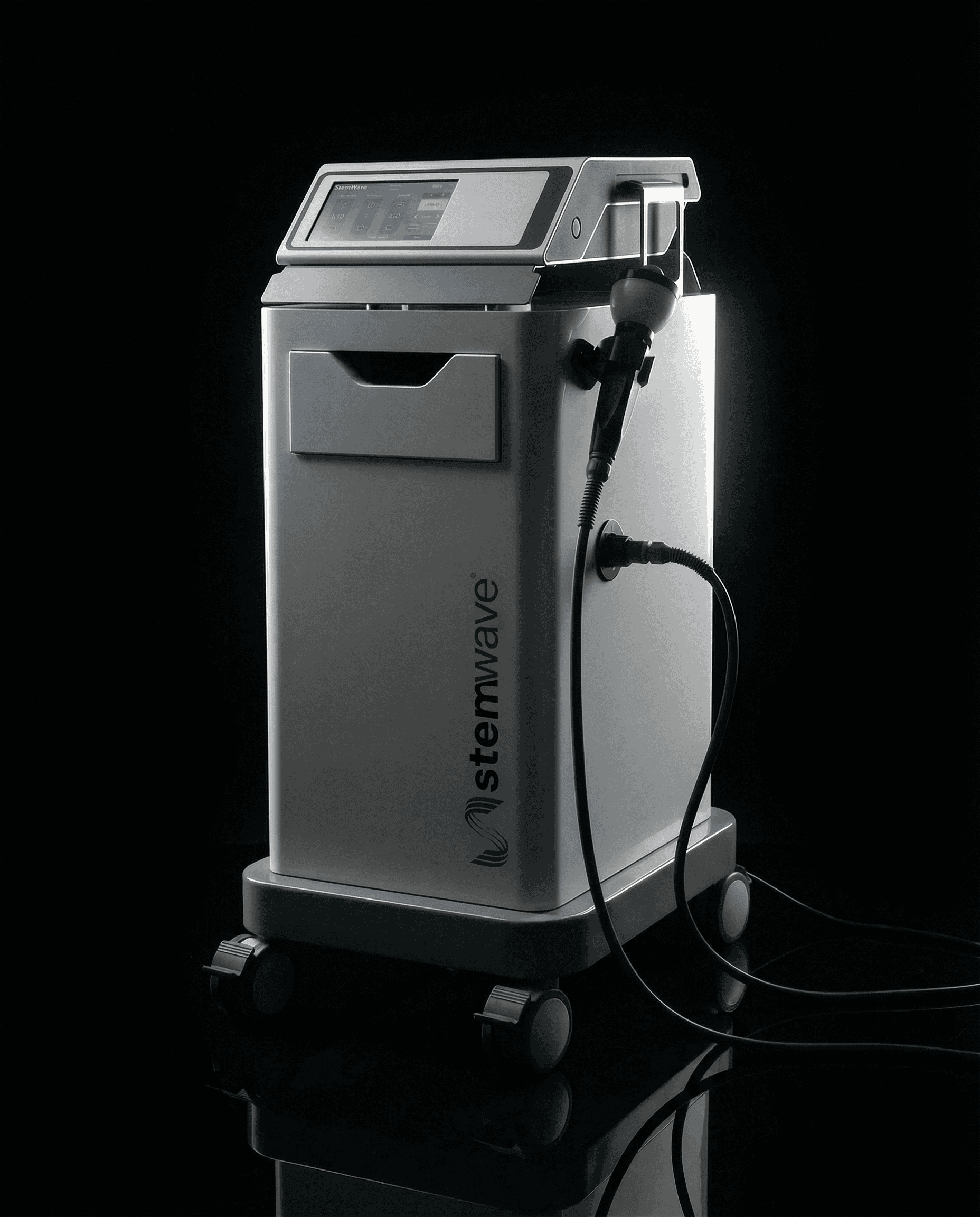
That’s where StemWave comes in.
Read more




"/><stop offset="1" stop-color="rgba(120, 120, 120, 0)"/></linearGradient></defs><path d="M 3.5 0 C 5.433 0 7 1.567 7 3.5 C 7 5.433 5.433 7 3.5 7 C 1.567 7 0 5.433 0 3.5 C 0 1.567 1.567 0 3.5 0 Z" fill="url(%23Yb_LPHN9p-114151446-linear-gradient)" height="7px" id="Yb_LPHN9p" transform="translate(1 1)" width="7px"/></svg>)

Everything you need to know about cutting edge medical device.
