
What to Expect in a Focused Wave Therapy Session with StemWave
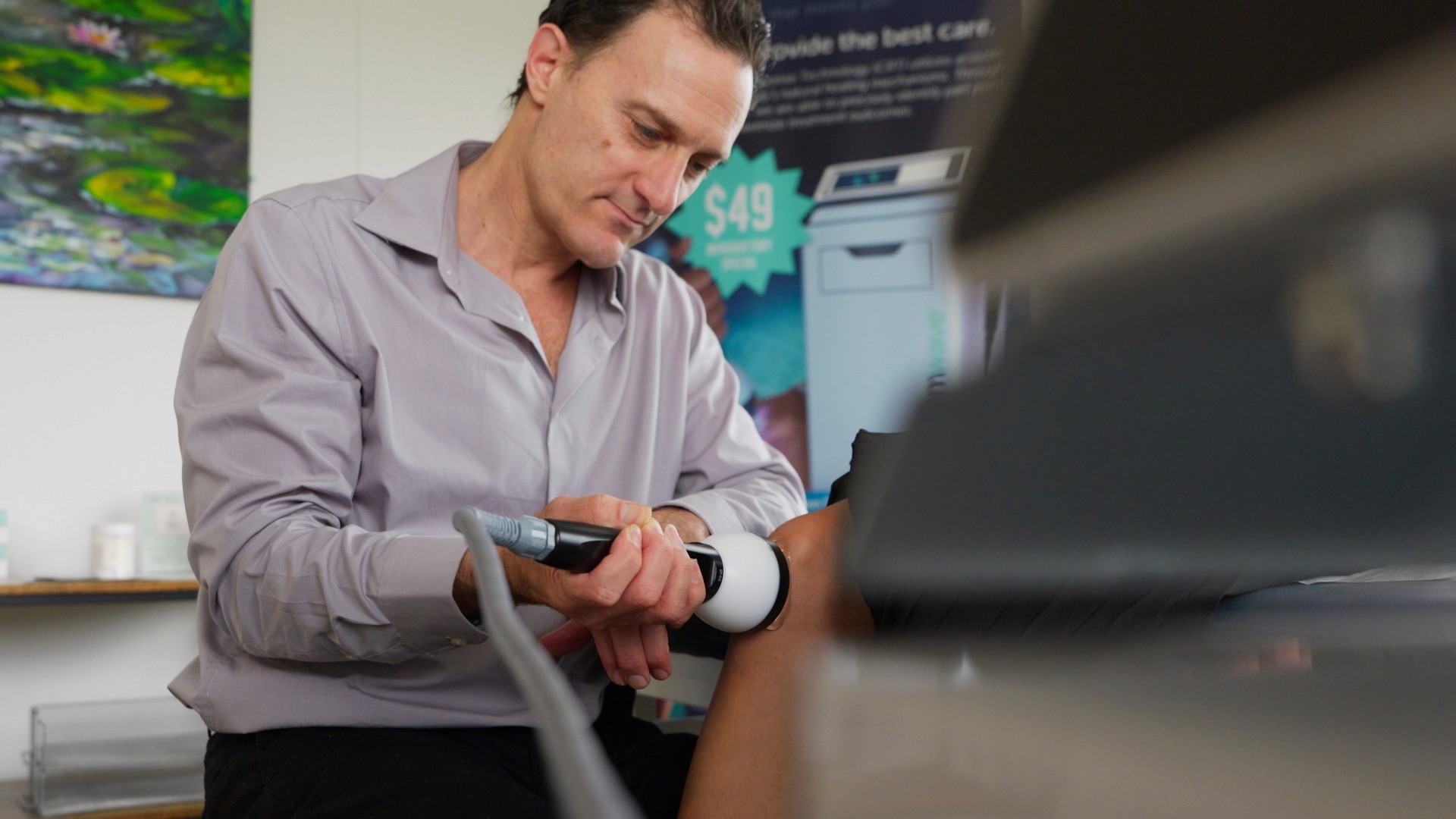
If you’re considering bringing StemWave into your practice, one of the first questions you’re likely to ask is: What does an actual session look like?
The short answer: Sessions typically take 5-8 minutes with minimal setup, making integration into existing clinical workflows straightforward. Here’s a detailed walkthrough of what providers and patients can expect during a typical StemWave session.
Setting the Scene: Provider Prep
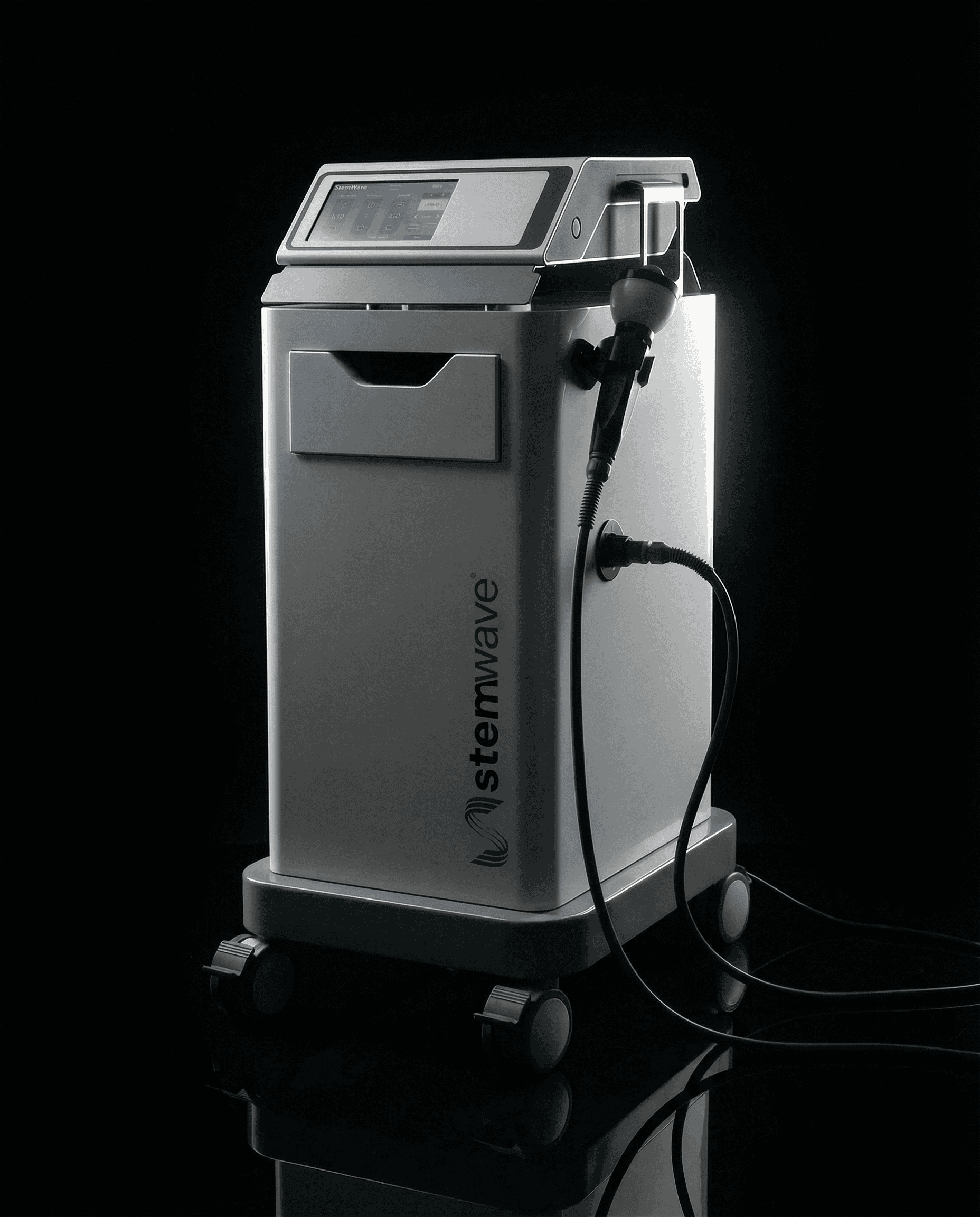
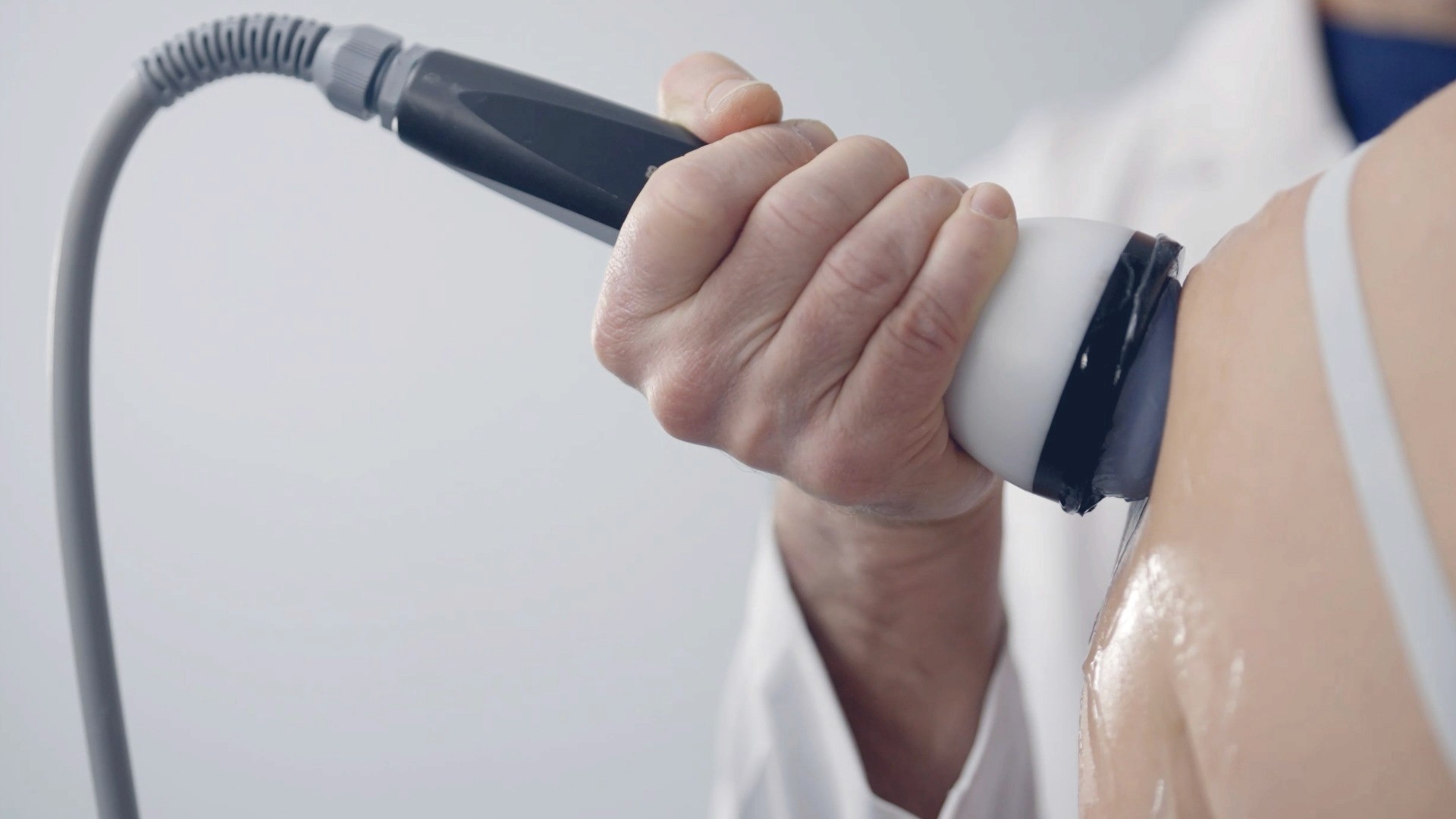
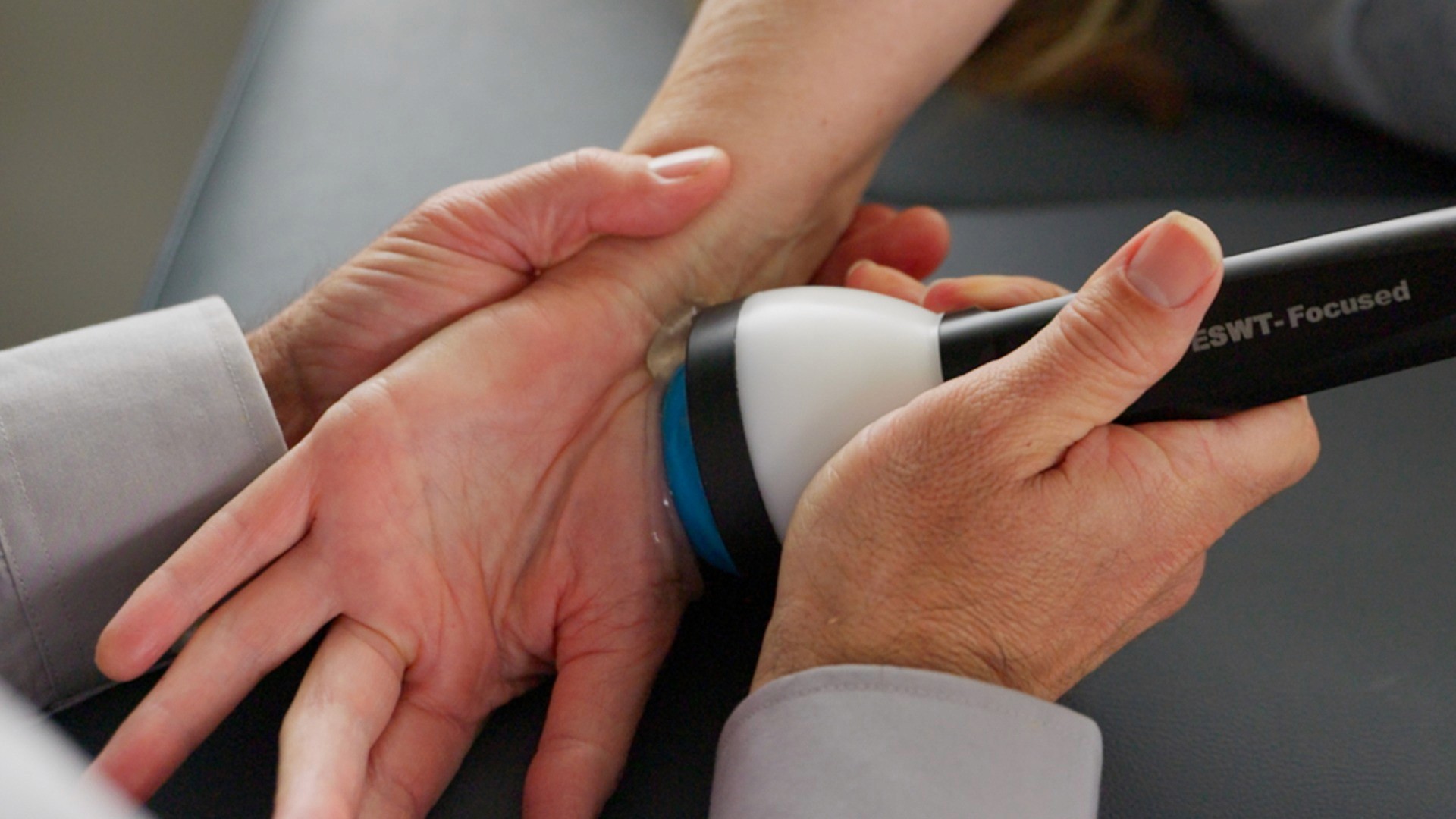
A StemWave session starts with less setup than most modalities. There’s no need for anesthesia, numbing agents, or extra staff. With just you, the patient, and the device, you’re ready to go. A small amount of gel is applied, the handpiece is positioned, and the session can begin. The electrohydraulic system delivers focused acoustic waves at frequencies of 1-4 Hz, penetrating up to 12cm into tissue.
What providers often notice right away is how simple this feels compared to other tools. You don’t lose time with calibration or complex protocols; instead, you can build it directly into your existing care model.
Many providers combine StemWave with what they’re already known for:
Chiropractors often use it before or after adjustments to release stubborn tissues.
Physical therapists may pair it with corrective exercise to reinforce new movement patterns.
Sports medicine providers use it alongside soft tissue techniques to accelerate recovery.
Rather than replacing what you do, StemWave acts as an extension of your skill set.
Step 1: Mapping the Treatment Area
Every session begins with mapping. You’ll guide the handpiece across the targeted region, asking the patient to share when they feel points of tenderness or sensitivity.
This process does more than set the treatment area. It also builds patient confidence. They start to connect what they feel in real time with the areas you’re addressing, making the therapy feel collaborative rather than passive. Literally, while you search for the source of inflammation, the patient actively responds with pain levels to help find the right spot to treat.
Providers often mention how this step uncovers “silent” dysfunctions patients didn’t even know existed until StemWave revealed them. For example, the mapping session could reveal pain in the upper back actually being the result of inflammation and damaged tissue in the lower back. We call this process biofeedback.
Step 2: Delivering Therapy in Real Time
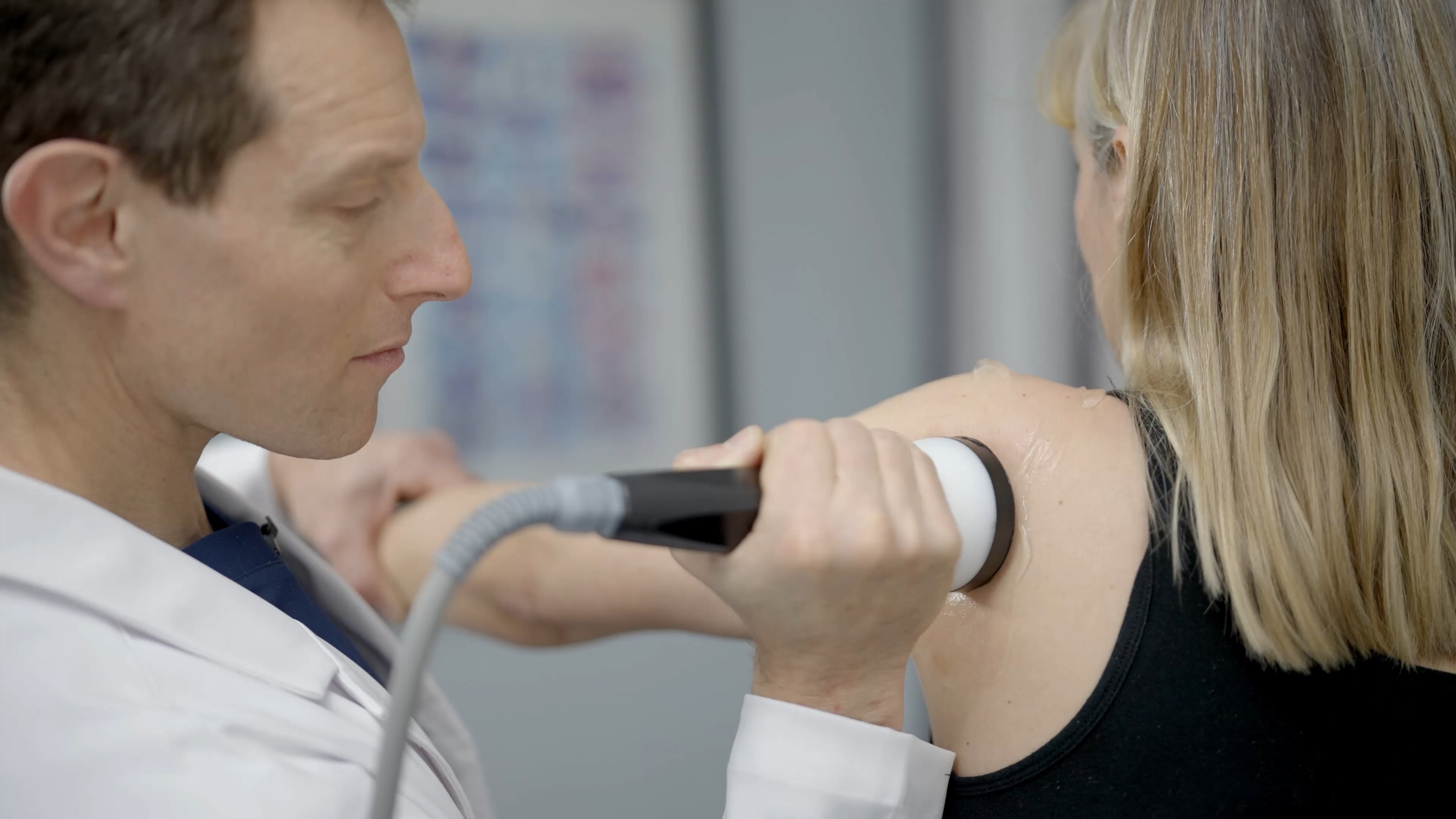
Once mapped, therapy begins. Focused acoustic waves penetrate up to 12 cm deep, stimulating blood flow, activating stem cells, and supporting the body’s natural repair processes.
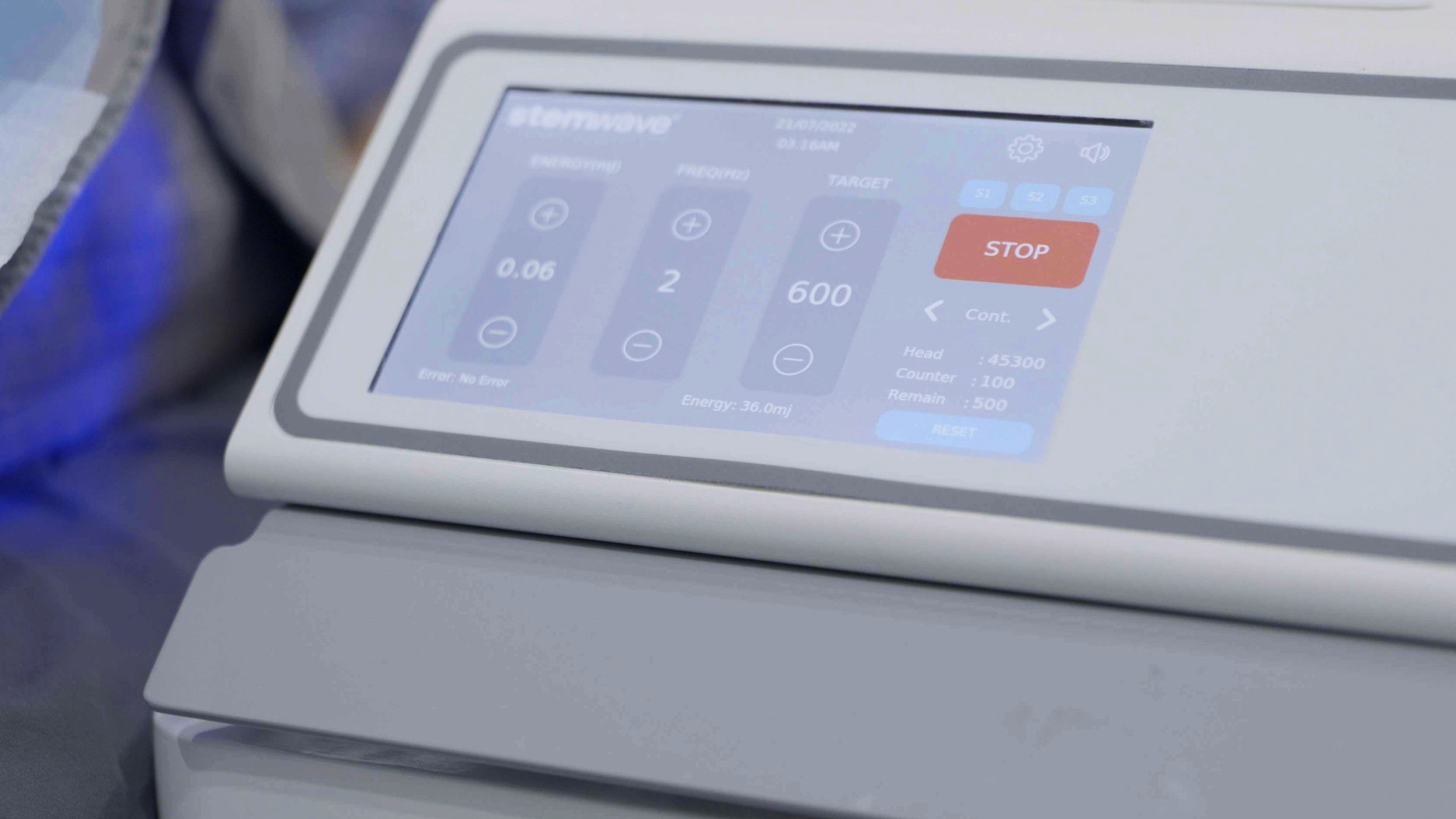
What makes StemWave different is the feedback loop. As a provider, you can adjust settings on the fly–intensity, positioning, or angle–based on how the patient is responding. If the pain and discomfort scale gets too high (typically no higher than a four), the provider knows to turn the intensity down. This keeps sessions highly personalized without slowing things down, while also keeping treatments pain-free.
Typical treatment time is 5-8 minutes per area. Even busy clinics find it easy to slot sessions between other services without throwing off the schedule.
Step 3: The Patient Experience
From the patient’s perspective, the sensation is often described as a deep tissue massage. Some areas, especially those with injury or chronic dysfunction, may feel more sensitive, but it’s not painful. Many patients report the sensation is unlike other therapies they’ve experienced.
For many, the biggest surprise is how fast it is. After years of long therapy sessions, injections, or medications that provide only partial relief, the simplicity of a StemWave session feels refreshing.
For some, the first session brings shocking relief (pun intended). Check out this patient’s reaction to feeling pain-free for the first time in years.
Step 4: Integration and Follow-Up
Once the session is finished, you can transition seamlessly into the next part of care. Chiropractors might adjust, PTs might prescribe corrective exercise, or sports providers might move into performance training.
Because there’s no downtime or recovery period, patients walk out of your office ready to continue their day. At most, they may feel something similar to what you’d expect after a tough workout, a normal sign that the body is responding and recovering.
Results and Care Plans
Most providers structure care plans around 8-12 sessions, depending on the condition and patient goals. What stands out compared to other modalities is how often patients report feeling 30% improvement within the first 1-3 sessions.
When patients notice tangible changes quickly, they’re far more likely to commit to completing the full plan. And because care is typically paid upfront, clinics see stronger cash flow with minimal drop-off.
FAQ
How long does a session take?
About 5–10 minutes per treatment area.
Does it hurt?
Most patients describe it as tapping or pulsing. Sensitive tissue may feel tender, but it’s generally very tolerable. We’ve even heard some compare it to a deep tissue massage.
How many sessions are needed?
On average, 8-12 sessions form a complete care plan.
Can StemWave be combined with other treatments?
Yes, many providers integrate it with adjustments, other devices, or exercise-based rehab.
What happens after a session?
Patients can resume their day. Mild soreness is common but temporary.
Bringing It All Together
One StemWave session is efficient, non-invasive, and highly adaptable to the way you already practice.
Setup is minimal, sessions are short, and integration with other modalities is seamless.
For providers, it’s a tool that enhances what you already do best, which is giving patients a faster path to recovery and hope towards a pain-free life. We just want to give you the boost.
Curious how StemWave could fit into your workflow? Click below to get your questions answered by someone on our team.
Read more

"/><stop offset="1" stop-color="rgba(120, 120, 120, 0)"/></linearGradient></defs><path d="M 3.5 0 C 5.433 0 7 1.567 7 3.5 C 7 5.433 5.433 7 3.5 7 C 1.567 7 0 5.433 0 3.5 C 0 1.567 1.567 0 3.5 0 Z" fill="url(%23Yb_LPHN9p-114151446-linear-gradient)" height="7px" id="Yb_LPHN9p" transform="translate(1 1)" width="7px"/></svg>)

Everything you need to know about cutting edge medical device.
