
What Is the Best Acoustic Wave Therapy Device? A 2025 Guide for Clinics & Patients
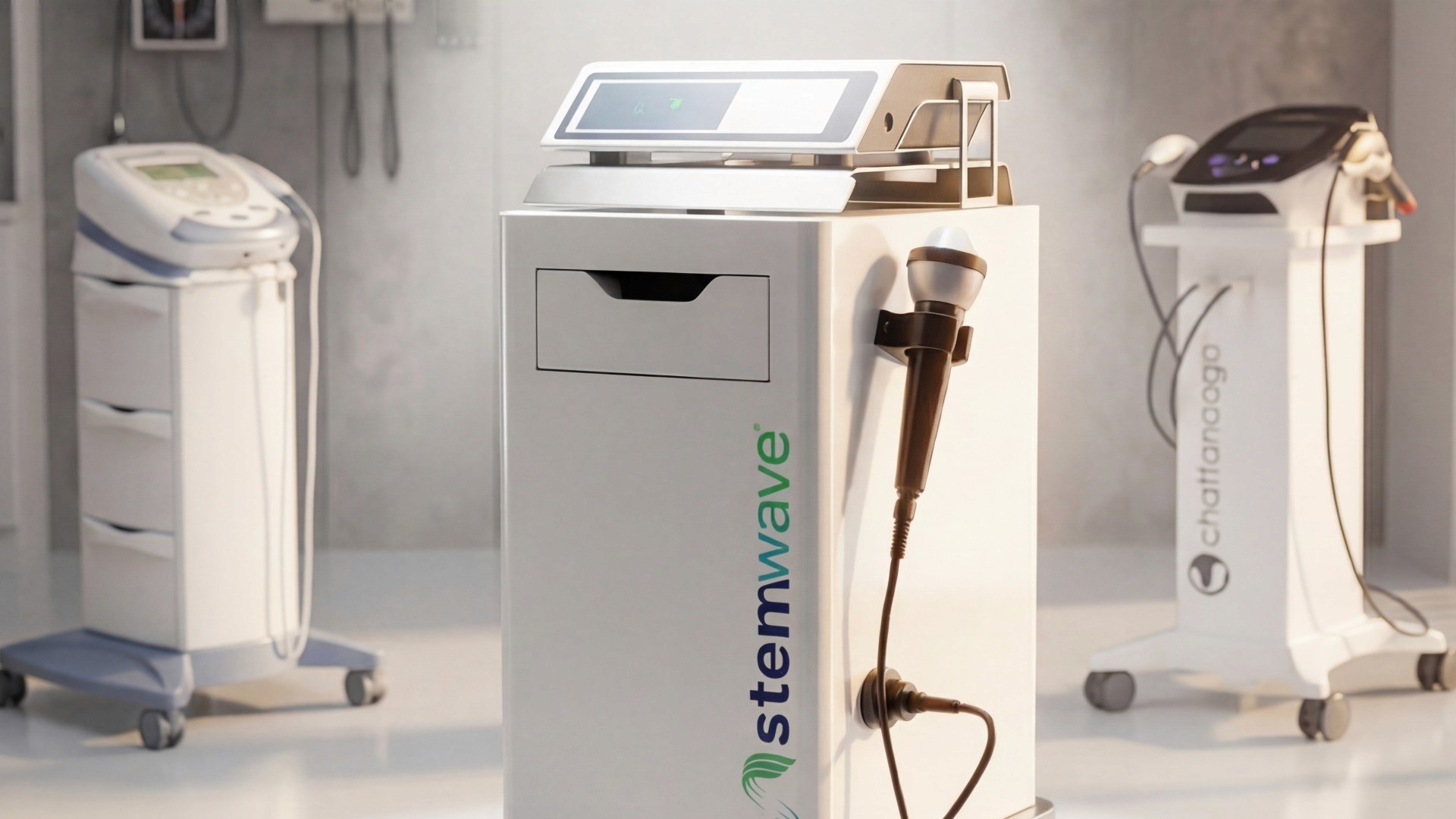
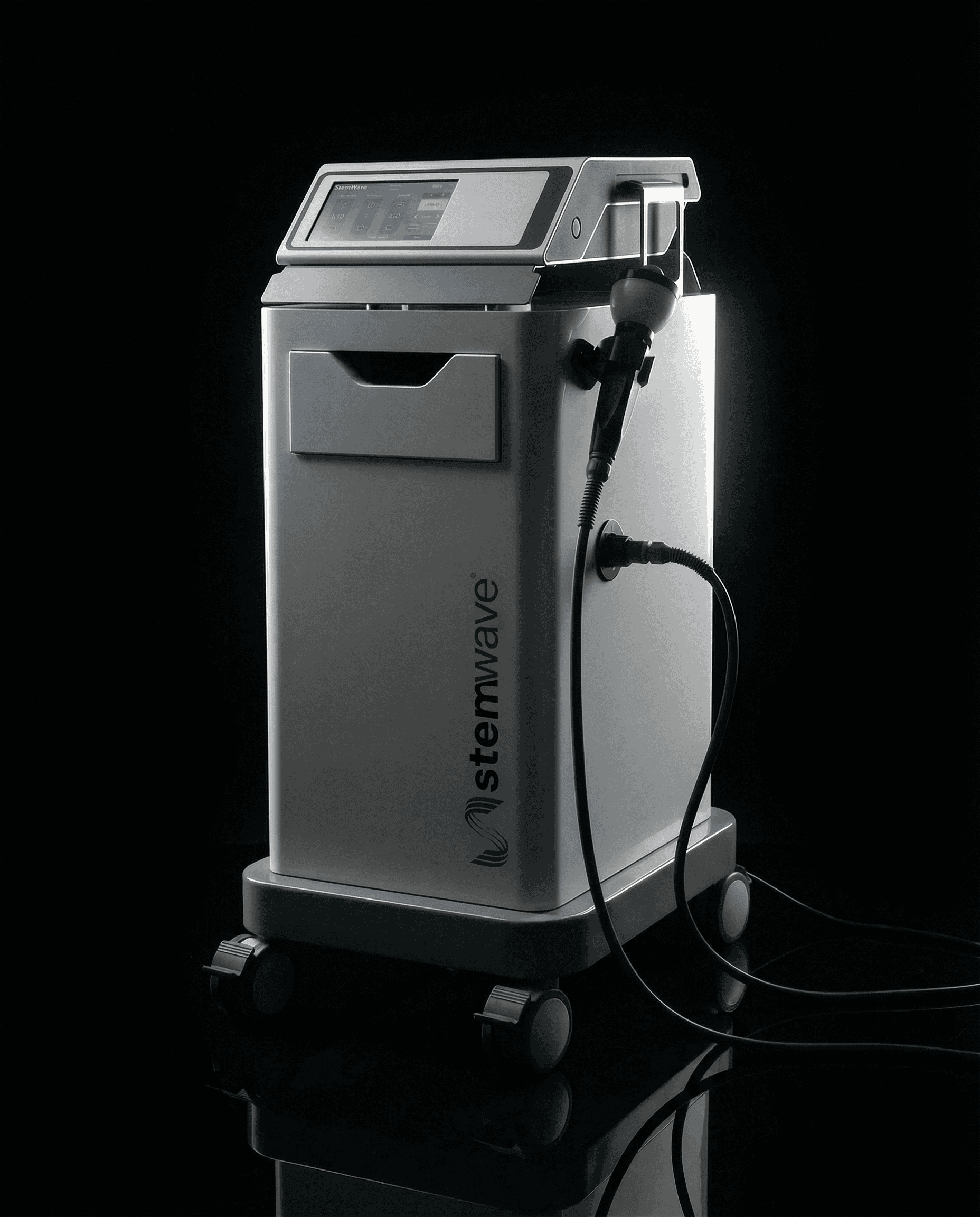
The best acoustic wave therapy device depends on clinical needs, but StemWave stands out for its electrohydraulic technology, deep tissue penetration (up to 12 cm), and complete support system. Unlike piezoelectric or radial devices that target surface-level conditions, StemWave treats both superficial and deep musculoskeletal issues in a single session, making it ideal for clinics seeking a versatile, high-impact solution.
What Is Acoustic Wave Therapy?
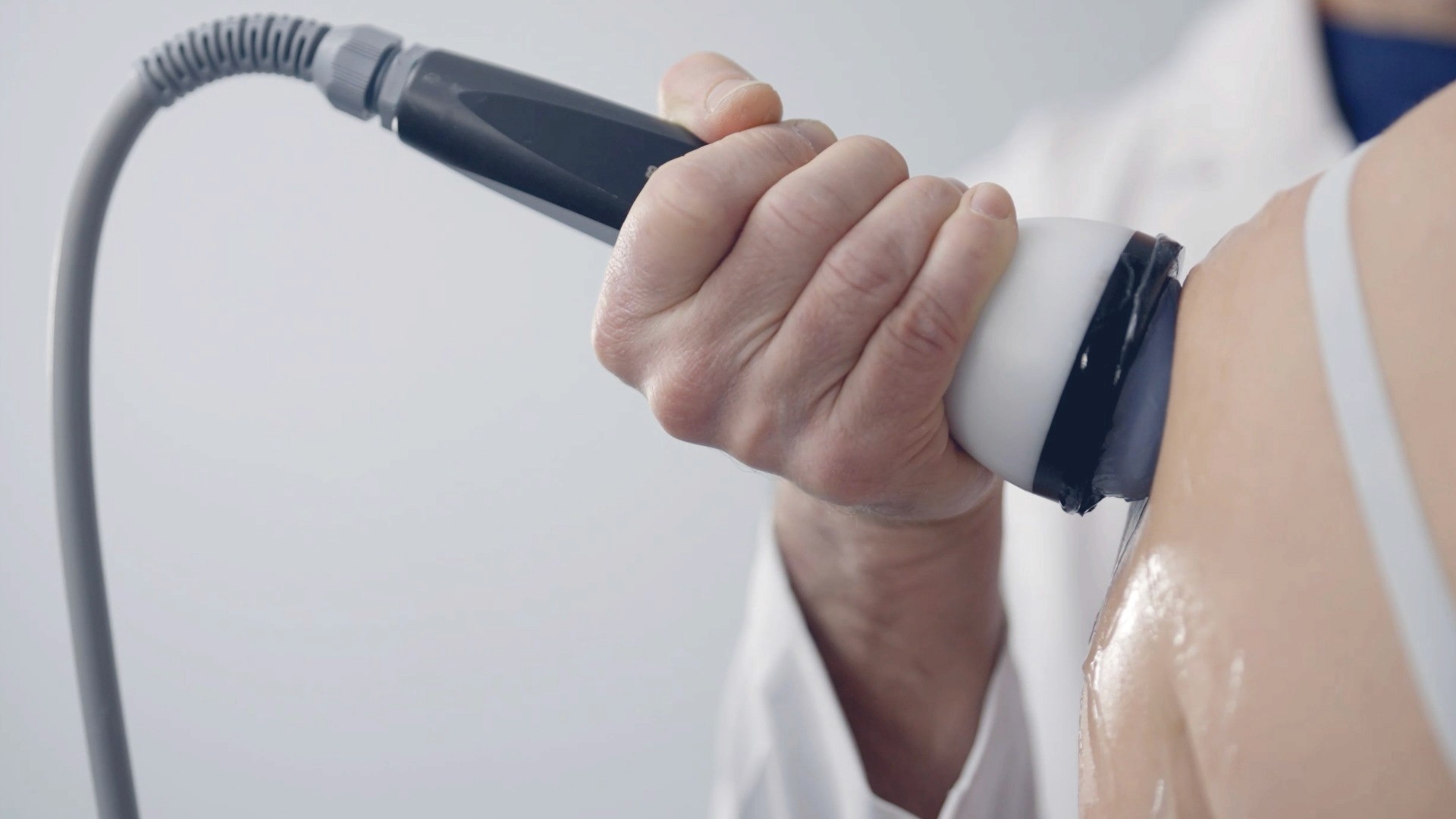
Acoustic wave therapy uses mechanical pressure waves to stimulate tissue repair, reduce pain, and improve function. It’s been used for decades in medical settings, originally for kidney stones, later adapted for orthopedic and soft tissue conditions.
Not all acoustic wave devices are created equal. The technology behind how those waves are generated, how deep they penetrate, and what tissues they can actually reach varies wildly between devices.
For clinics evaluating options, the question becomes: “Does it work for the patients I see every day?”
How Do Different Acoustic Wave Technologies Compare?
There are three main technologies used to generate acoustic waves.
Radial Devices
How they work: Compressed air launches a projectile against a metal plate, creating surface-level pressure waves.
Depth: 1-3 cm (shallow)
Best for: Superficial trigger points, minor muscle tension
Limitation: Can’t reach deep tendons, joint capsules, or periosteum
Piezoelectric Devices
How they work: Crystals on a spherical surface vibrate to focus waves at a specific point.
Depth: 4- 6 cm (moderate)
Best for: Localized tendon insertions like plantar fascia or tennis elbow
Limitation: Effective at targeted depths but requires swapping therapy sources for different tissue layers
Electrohydraulic Devices (StemWave)
How they work: A spark in water creates a plasma bubble, generating a powerful pressure wave.
Depth: Up to 12 cm (deep)
Best for: Multi-layer musculoskeletal conditions, chronic shoulder dysfunction, lumbar pain, hip tendinopathy, post-surgical adhesions
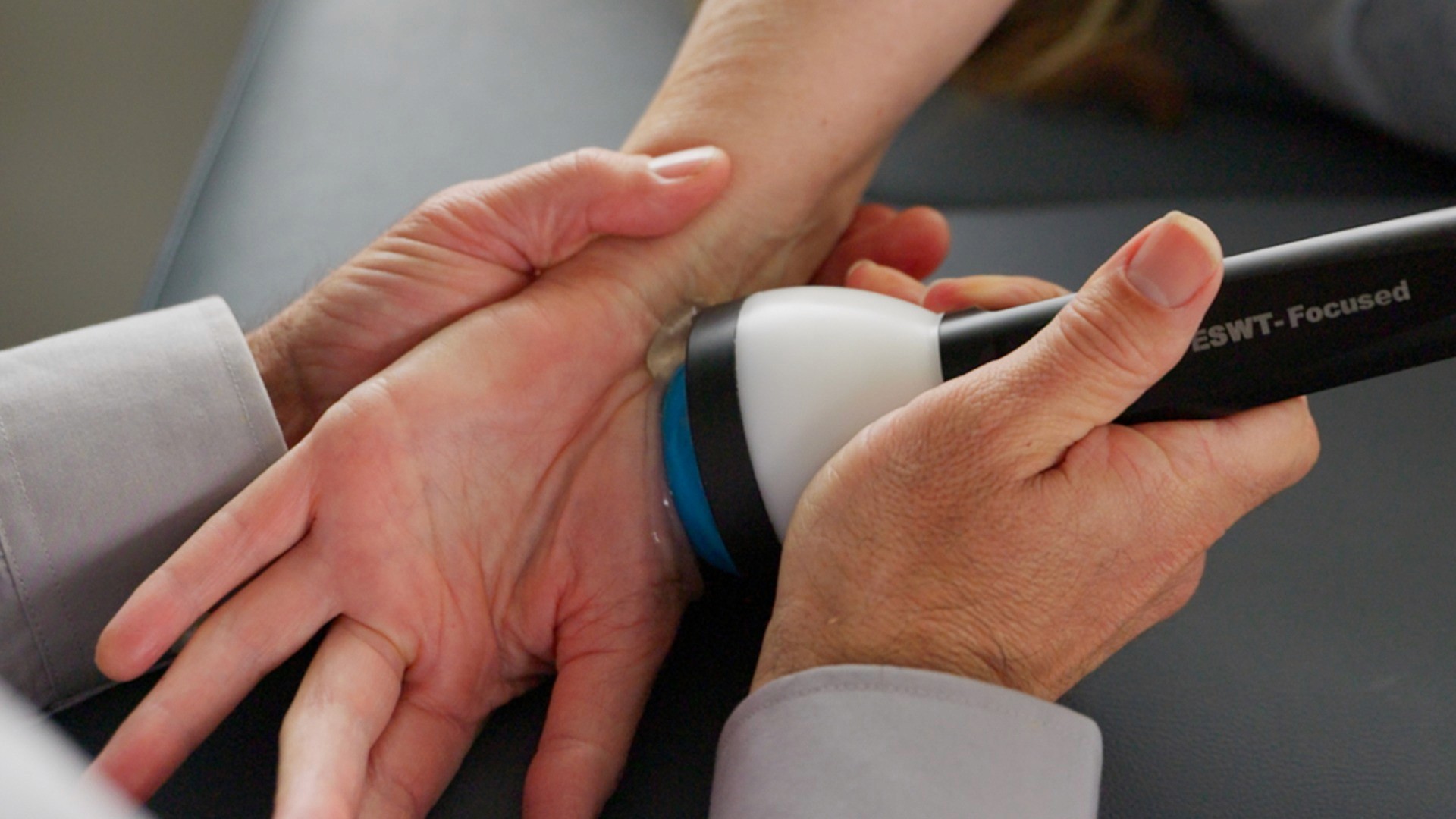
Advantage: Covers surface and deep tissues in one session without changing handpieces or adding on other therapies.
What Should Clinics Look for in an Acoustic Wave Device?
If you’re a clinic owner or provider evaluating devices, these factors matter most.
1. Depth of penetration
Can it reach the tissue layers where your patients’ pain and inflammation actually originates? Many chronic conditions, rotator cuff tendinopathy, deep fascia restrictions, sacroiliac dysfunction, live well below the surface.
StemWave’s 12 cm penetration means you’re not guessing whether you’re reaching the problem.
2. Versatility across conditions
Does the device only work for a narrow set of cases, or can it handle the breadth of what walks through your door?
Radial devices plateau with anything deeper than a trigger point. Piezoelectric devices excel in their lane but require configuration changes, resulting in longer treatment times. StemWave holds the ability to treat conditions like treats plantar fasciitis, aAchilles tendinopathy, chronic low back pain, arthritis, neuropathy, and post-surgical scarring, all with the same handpiece.
3. Speed and efficiency
How long does a session take? If treatments drag on, you lose appointment slots and patient buy-in long-term.
StemWave sessions typically run 5-8 minutes, allowing you to integrate it into your schedule without bottlenecking your day.
4. Training and clinical support
Most devices ship with a manual and a phone number. That’s not enough.
StemWave provides structured onboarding and clinical training, optional live coaching programs, a community of 700+ providers sharing protocols and case studies, and marketing support to help you launch and scale the service line.
You’re not buying a device. You’re joining a system.
5. Cash-based revenue potential
Can it generate predictable, premium revenue?
Patients pay $1,500-$2,500 for a StemWave treatment protocol (typically 8-12 sessions). Clinics report adding $5,000-$25,000 per month in cash-based revenue within the first year.
That’s not a side offering. That’s a service line.
Comparison Table: Acoustic Wave Technologies
Feature | Radial Wave | Piezoelectric | Electrohydraulic (StemWave) |
Generation Method | Compressed air projectile | Vibrating crystals | Spark-generated plasma wave |
Depth of Penetration | 1-3 cm | 4-6 cm | Up to 12 cm |
Best For | Superficial trigger points | Localized tendon injuries | Chronic, multi-layer, deep tissue conditions |
Versatility | Limited | Moderate (requires source swaps) | High (one handpiece for all depths) |
Typical Session Time | 10-15 minutes | 8-12 minutes | 5-8 minutes |
Training & Support | Basic | Distributor-dependent | Structured onboarding + coaching |
Cash-Pay Revenue Potential | Low | Moderate | High ($5k-$25k/month reported) |
FDA Clearance | Yes (varies by brand) | Yes (varies by brand) | FDA registered |
Why Do Some Devices Fail in Clinical Practice?
Most clinics buy a device, use it for a few months, then watch it collect dust.
Why?
Lack of training means providers don’t feel confident using it. Limited applications mean it only works for a narrow set of cases. No marketing support means patients don’t know it exists. Poor integration means it disrupts workflow instead of enhancing it.
StemWave was built to solve these problems. The technology is powerful, but the system around it makes it work in real-world practice.
You get clinical protocols for 50+ conditions, marketing templates (email, social, consult scripts), live coaching calls with providers who’ve scaled to six-figure service lines, and a network of peers solving the same problems you are.
What Do Providers Say About StemWave?
Dr. Saeedpour – Nashville, TN
“The results so far have been pretty amazing. I have patients excitedly text me when they get home after just one visit.”
Dr. Purscell – Fort Worth, TX
“From MCL to meniscus, ACL, tennis and golfer’s elbow, shoulder issues, low back issues, neck pain, you name it. Everybody’s been thrilled with StemWave.”
Dr. Neri – Boswell, PA
“I don’t have to refer patients out anymore. StemWave has been absolutely phenomenal in treating all types of conditions. “
Common Questions About Acoustic Wave Therapy
Is acoustic wave therapy painful?
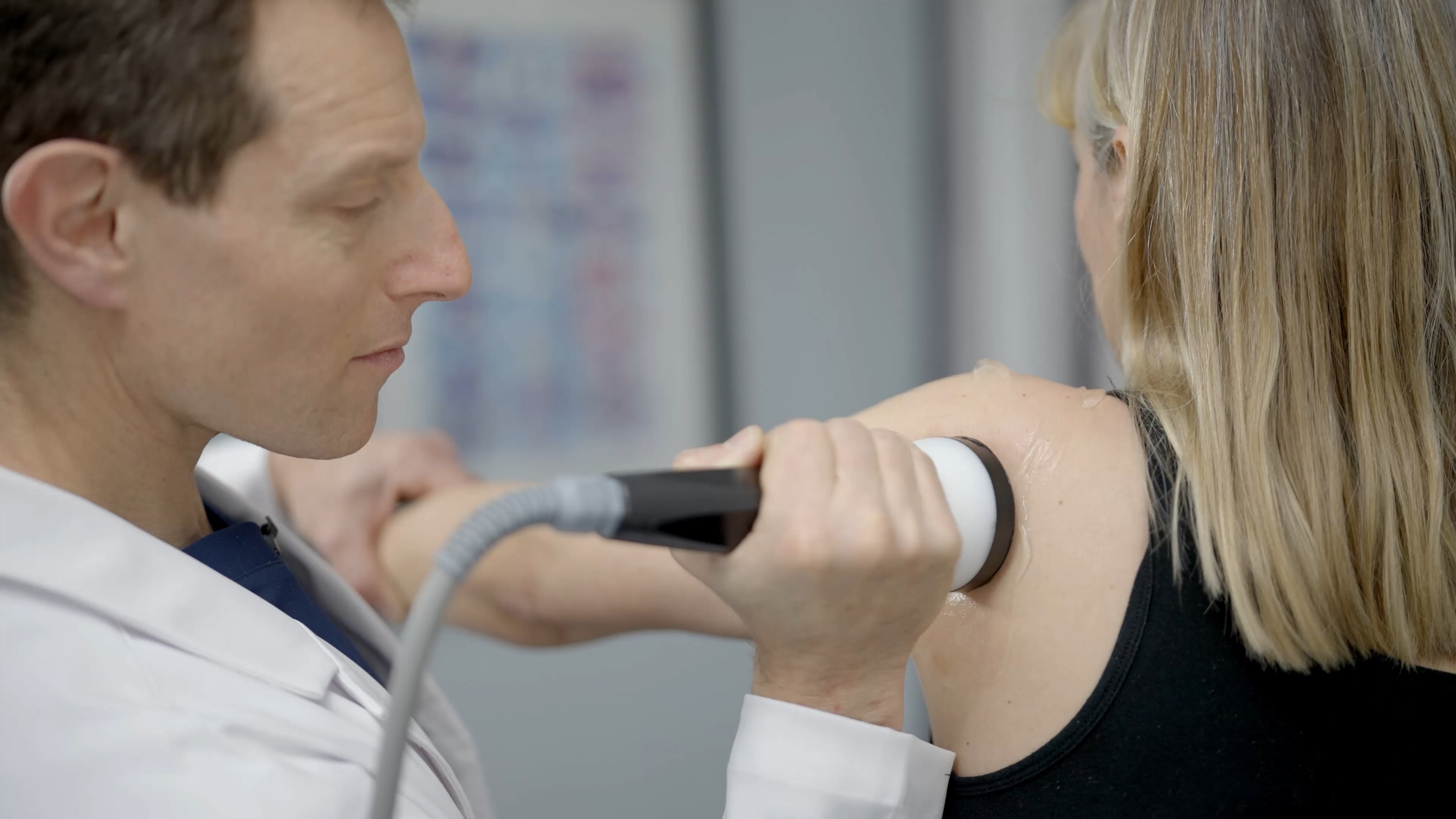
Most patients describe a tolerable tapping or pressure sensation. Discomfort is typically mild and temporary, lasting only during the treatment session. Providers can adjust intensity based on patient tolerance.
How long does acoustic wave therapy take to work?
Many patients notice improvement within one session. Chronic conditions may require a full protocol of 8-12 sessions spaced over several weeks for optimal tissue remodeling.
Does insurance cover acoustic wave therapy?
Most acoustic wave therapy is offered as a cash-based service. Treatment protocols typically cost $1,500-$2,500 total, which is often less than surgical co-pays and avoids the risks and downtime of invasive procedures.
What’s the difference between radial and focused shockwave therapy?
Radial waves disperse energy across the surface (1-3 cm deep), while focused waves concentrate energy at a specific depth (up to 12 cm with electrohydraulic devices). Focused therapy reaches deeper tissue layers where chronic pain often originates.
Can acoustic wave therapy replace injections or surgery?
For many patients, yes. Studies show significant improvements in chronic tendinopathies, arthritis, and musculoskeletal pain without the risks, downtime, or costs of invasive procedures. Always consult with a qualified provider to determine the best treatment pathway.
How Should Patients Choose a Provider with Acoustic Wave Therapy?
If you’re a patient researching acoustic wave therapy, ask these questions.
1. What technology does your device use?
Radial, piezoelectric, or electrohydraulic? Make sure it can reach the depth your condition requires.
2. How many sessions will I need?
Typical protocols run 8-12 sessions. Be cautious of clinics promising instant cures or requiring 20+ visits.
3. What does treatment cost?
Cash-based protocols typically range from $1,500-$2,500 total. That’s less than most surgical co-pays and avoids the risks and downtime of invasive procedures.
4. What results have you seen with cases like mine?
Ask for specific examples. Good providers will walk you through what to expect based on your condition and chronicity.
FAQ: Choosing the Best Acoustic Wave Therapy Device
Q: What is the most effective acoustic wave therapy device?
A: StemWave’s electrohydraulic technology offers the deepest penetration (up to 12 cm) and broadest clinical applications, making it the most versatile option for chronic and multi-layer conditions.
Q: How much does an acoustic wave therapy device cost for clinics?
A: Device costs vary widely. StemWave includes the device, clinical training, marketing support, and ongoing coaching, positioning it as a complete practice growth system.
Q: Can acoustic wave therapy replace surgery?
A: For many patients, yes. Studies show significant improvements in chronic tendinopathies, arthritis, and musculoskeletal pain without the risks, downtime, or costs of surgery.
Q: Is acoustic wave therapy FDA-cleared?
A: Yes. StemWave is a Class I medical device cleared by the FDA for musculoskeletal conditions.
The Bottom Line
The best acoustic wave therapy device consistently delivers clinical results across the conditions you see every day and supports you in building a sustainable, profitable service line around it.
Radial devices work fine for superficial cases. Piezoelectric devices excel in their targeted niche. But if you’re treating chronic pain, deep tissue dysfunction, or complex musculoskeletal conditions, electrohydraulic technology, specifically StemWave, offers the depth, versatility, and system support that actually moves the needle.
For clinics ready to differentiate, for patients tired of plateauing with conventional care, and for providers who want a technology that earns its place in the treatment room every single day, StemWave is built for that.
Read more

"/><stop offset="1" stop-color="rgba(120, 120, 120, 0)"/></linearGradient></defs><path d="M 3.5 0 C 5.433 0 7 1.567 7 3.5 C 7 5.433 5.433 7 3.5 7 C 1.567 7 0 5.433 0 3.5 C 0 1.567 1.567 0 3.5 0 Z" fill="url(%23Yb_LPHN9p-114151446-linear-gradient)" height="7px" id="Yb_LPHN9p" transform="translate(1 1)" width="7px"/></svg>)

Everything you need to know about cutting edge medical device.
