
What Conditions Can Focused Wave Therapy Treat
Focused Wave Therapy for Injuries, Neuropathy, Arthritis, and More
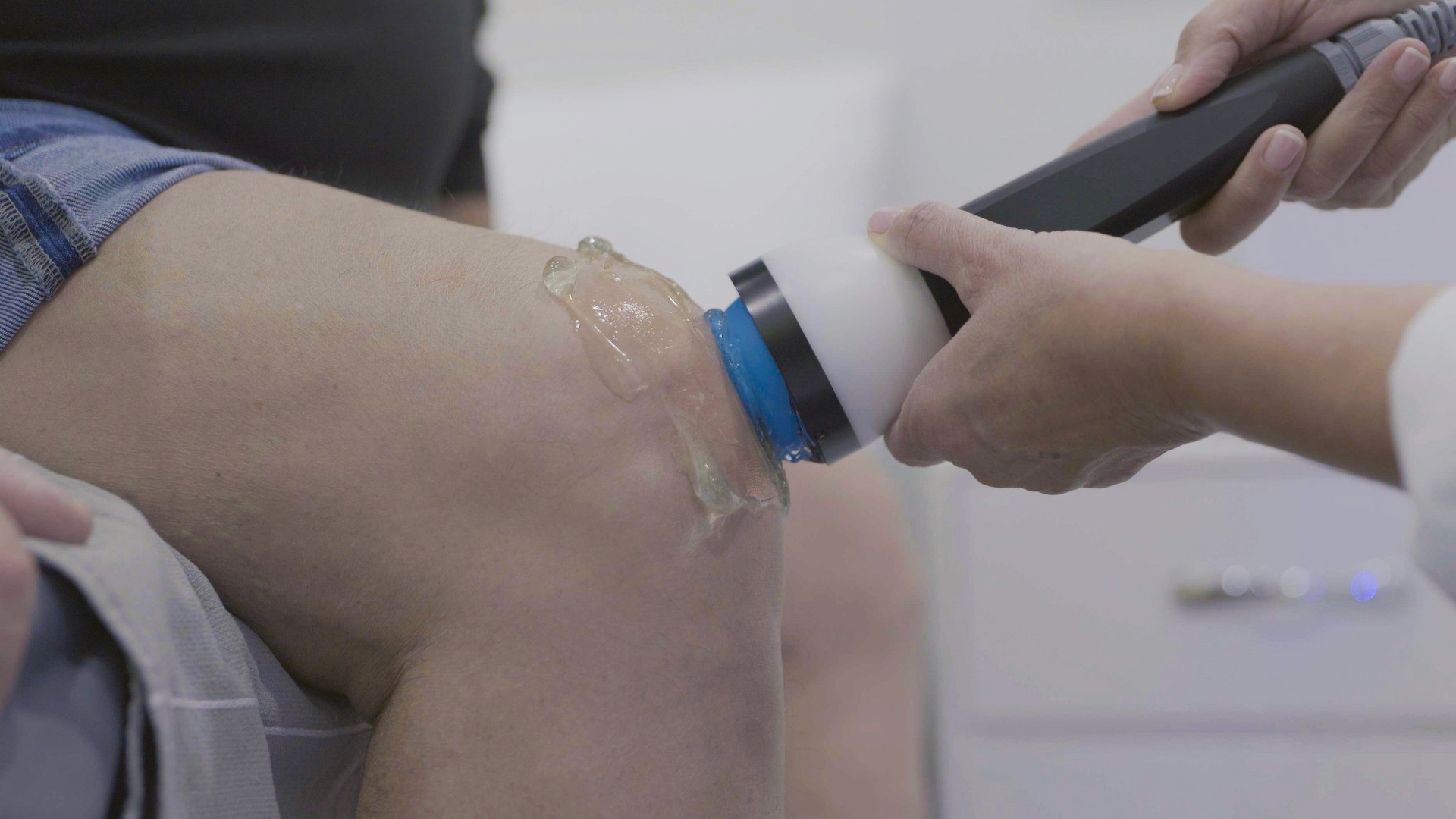
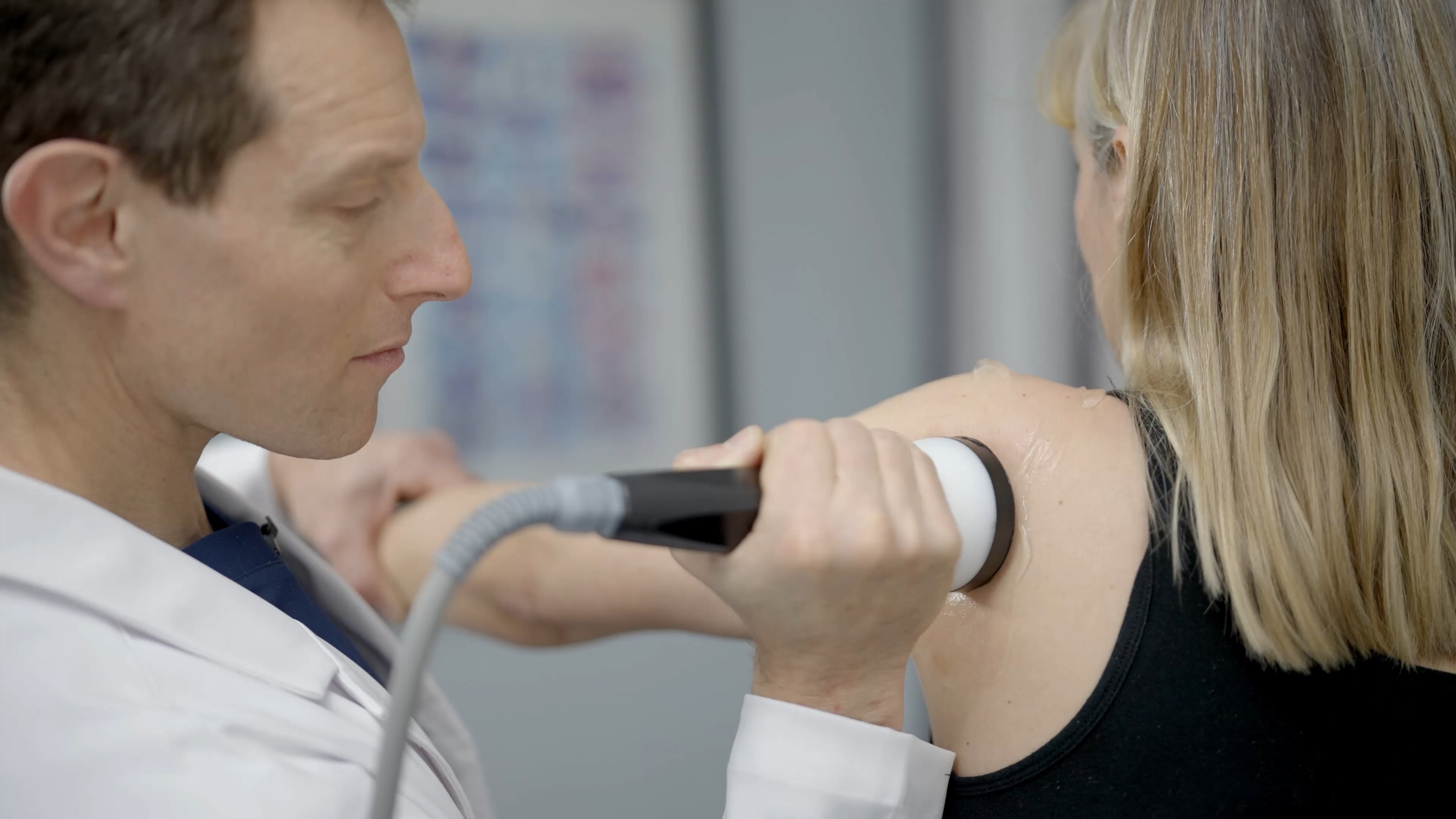
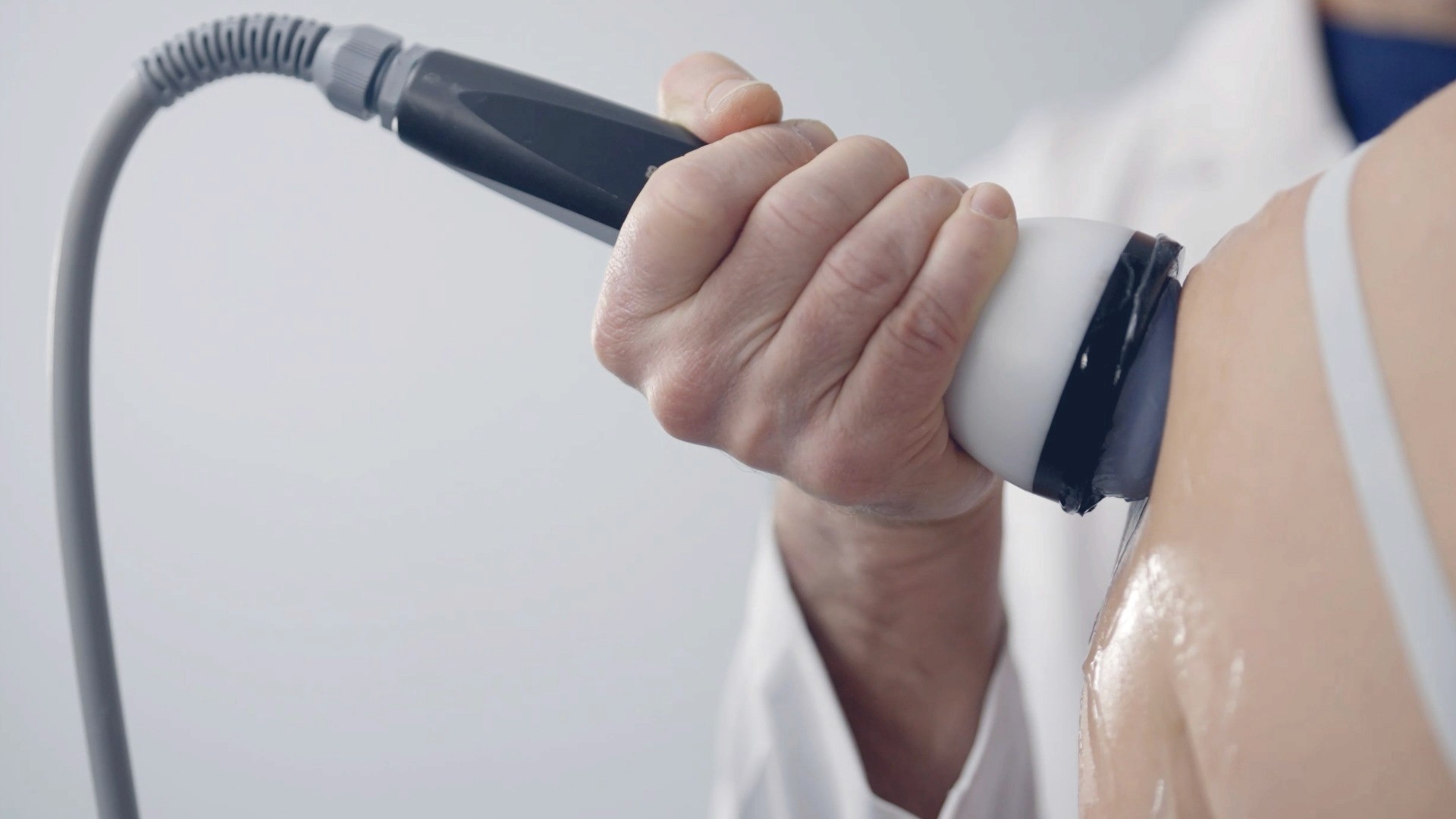
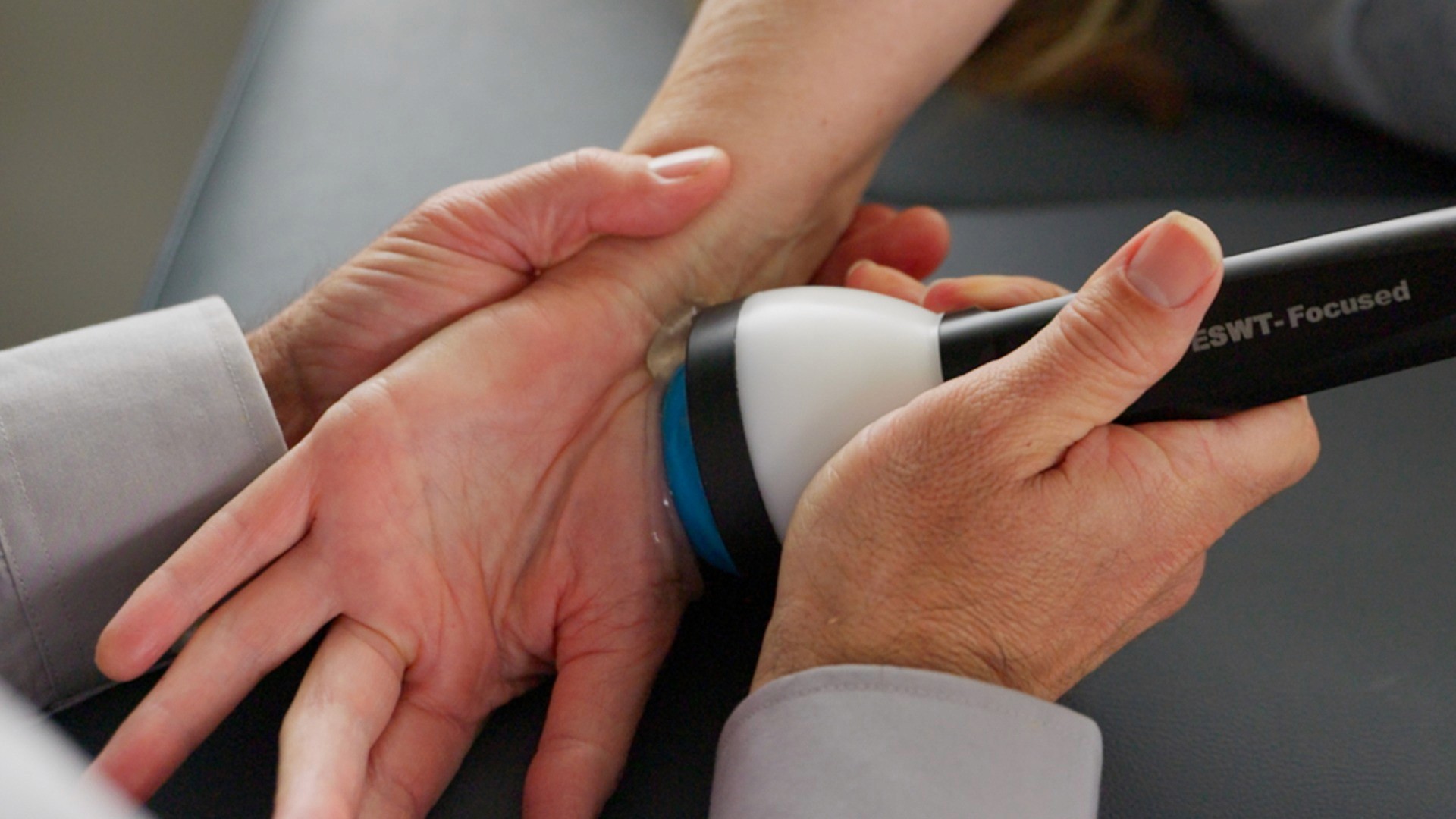
Focused wave therapy treats chronic pain, arthritis, tendon injuries, plantar fasciitis, neuropathy, and sports-related injuries. It penetrates deeper than surface-level treatments, stimulating blood flow, stem cells, and tissue repair. Patients often notice improvement within 3-6 sessions, making it an effective non-invasive alternative to injections or surgery.
If you own a private practice, you probably have the same recurring challenge: patients walk through your door with pain they’ve carried for years, pain that’s resisted PT, adjustments, injections, and sometimes even surgery. These aren’t “easy” cases, they’re the people who come in discouraged, skeptical, and desperate for something that actually works.
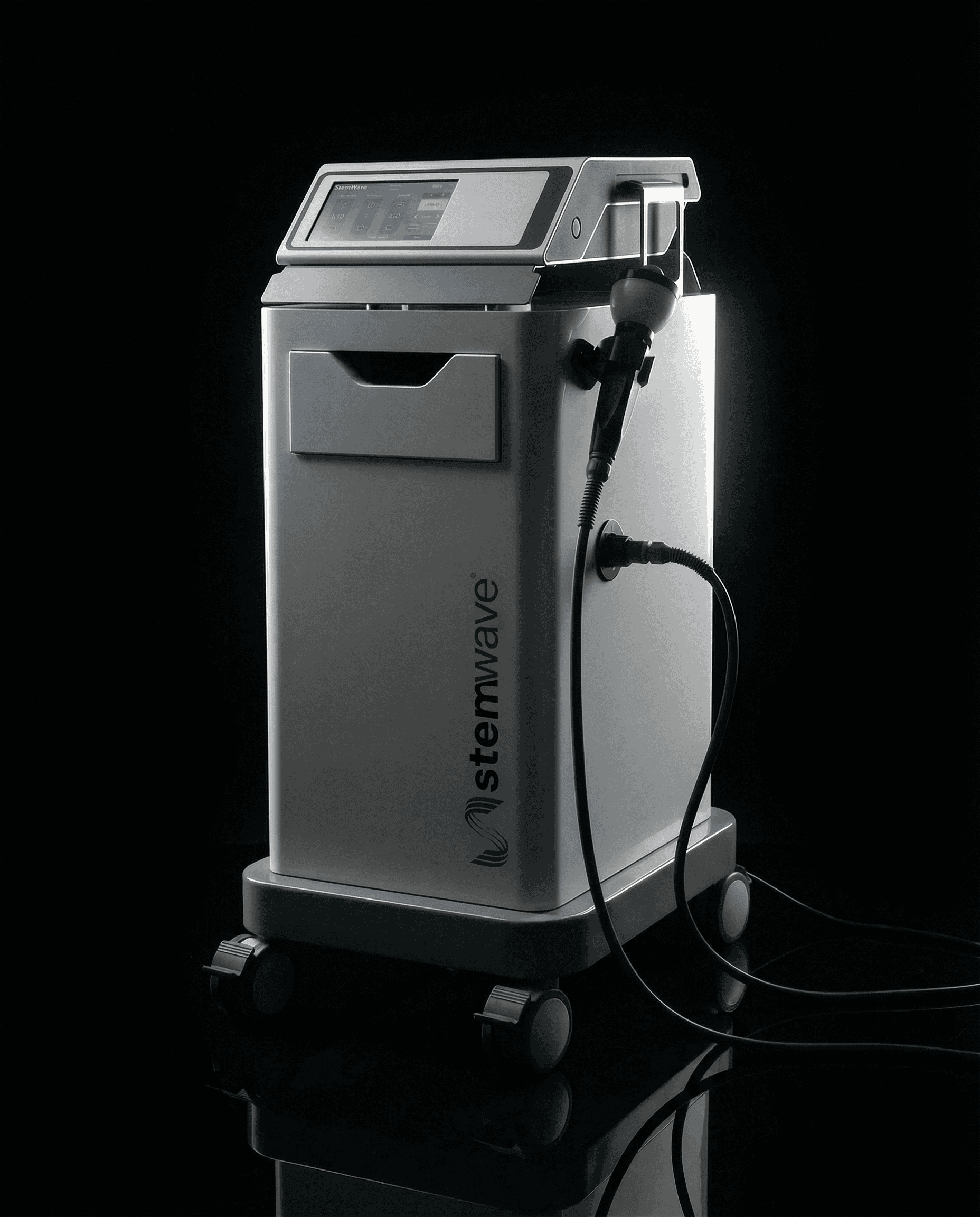
This is where StemWave and Cellular Response Technology (CRT) fits into the conversation. While “focused wave therapy” is the industry keyword, StemWave has become the recognizable name for providers who want a real solution that blends science with outcomes.
Why is Focused Wave Therapy Different?
There’s a big difference between surface-level modalities and what StemWave does. Radial waves, ultrasound, and e-stim all have their place, but they only reach a few centimeters into tissue. That’s fine for superficial complaints, but chronic musculoskeletal problems often live deeper where scar tissue has hardened, where tendon insertions are overloaded, or where inflammation has quietly eroded mobility for years.
StemWave’s electrohydraulic system produces true focused acoustic waves that travel up to 12 cm. That means you can reach structures most modalities can’t touch: hip tendons, deep plantar fascia, calcific shoulder tissue, even degenerative changes around the spine. The waves create controlled mechanical stress that stimulates healing at the cellular level, triggering neovascularization, growth factor release, and the breakdown of stubborn calcifications.
Research backs this up: studies have shown that focused wave therapy stimulates activates growth those factors that are essential for tissue repair.¹
It’s science, not magic, but for the patient who’s been stuck in the pain cycle, it can certainly feel that way.
Can Focused Wave Therapy Help Chronic Pain?
Ask any practice owner: chronic pain cases eat up time, drain morale, and too often end with patients cycling out because nothing helped. StemWave gives you a new conversation to have with those patients.
Low back pain and sacroiliac dysfunction: A randomized controlled trial published in Pain Medicine found that patients with chronic low back pain experienced significant improvements in pain scores and mobility after focused wave therapy compared to standard conservative care.²
Arthritis: While we can’t “cure” osteoarthritis, studies in journals like Clinical Interventions in Aging have demonstrated that focused shockwave therapy reduces pain and improves joint function, especially in knee OA patients who had plateaued with injections or physical therapy.³
Tendinopathies: Achilles tendinopathy, tennis elbow, and rotator cuff issues are some of the most well-researched applications. A meta-analysis in The American Journal of Sports Medicine confirmed that shockwave therapy significantly improves pain and function in chronic tendon injuries compared to placebo.⁴
Does Focused Wave Therapy Help Athletes?
If you work with athletes—pros, high school, or weekend warriors—you already know they don’t want rest as their prescription. They want to stay in the game.
StemWave has been embraced in sports medicine because it shortens downtime and keeps tissue healthy under repeated stress. Think patellar tendinopathy in a basketball player, rotator cuff overload in a baseball pitcher, or chronic hamstring issues in a runner. Instead of cycling through rest, ice, and anti-inflammatories, you can actively intervene and stimulate repair while they keep training.
In fact, research in The Journal of Orthopaedic Research showed that focused wave therapy enhanced injury recovery and accelerated return-to-play timelines in athletes compared to conservative rehab alone.⁵
Is Focused Wave Therapy Effective on Arthritis and Aging Patients?
For many private practices, arthritis patients are a core part of the schedule. They come in for stiffness, mobility loss, and pain that chips away at their independence.
StemWave provides a non-invasive way to address that. By increasing circulation, reducing chronic inflammation, and stimulating cellular repair, many arthritis patients report easier movement and less daily pain. They’re not looking to run marathons. They just want to get back to gardening, walking, or playing with grandkids without wincing. That’s life-changing.
Why This Matters for Your Practice
The real question isn’t just what conditions can StemWave treat? It’s also, how many of the patients you already see every week could benefit from it?
These treatment areas are not outliers; they’re your bread and butter. And they’re the very conditions StemWave was built to address with consistency and excellence.
Condition | How It Helps | Typical Results |
Plantar Fasciitis | Breaks down scar tissue, stimulates remodeling | Pain relief after 3-6 sessions |
Rotator Cuff / Pitcher’s Shoulder | Stimulates tendon healing & circulation | Improved strength & motion within 4-6 sessions |
Arthritis | Restores microvascular flow, reduces stiffness | Noticeable relief by session 3-5 |
Low Back Pain (Laborers) | Reduces chronic inflammation & stiffness | Increased mobility after 2-4 sessions |
Neuropathy | Improves nerve sensitivity & blood flow | Tingling/numbness reduced within 6-8 sessions |
A Final Thought
Providers don’t invest in new technology lightly. However, when you examine the science, the depth of penetration, and the breadth of conditions treated, StemWave offers private practices something they rarely find: a tool that makes both clinical and patient sense.
Because at the end of the day, it’s not about devices. It’s about giving people their lives back—and positioning your practice as the place that can finally do that when nothing else has worked.
Footnotes:
¹ Wang CJ, et al. Journal of Orthopaedic Research, 2003.
² Notarnicola A, et al. Pain Medicine, 2014.
³ Zhao Z, et al. Clinical Interventions in Aging, 2016.
⁴ Mani-Babu S, et al. The American Journal of Sports Medicine, 2015.
⁵ van der Worp H, et al. Journal of Orthopaedic Research, 2011.
Read more


"/><stop offset="1" stop-color="rgba(120, 120, 120, 0)"/></linearGradient></defs><path d="M 3.5 0 C 5.433 0 7 1.567 7 3.5 C 7 5.433 5.433 7 3.5 7 C 1.567 7 0 5.433 0 3.5 C 0 1.567 1.567 0 3.5 0 Z" fill="url(%23Yb_LPHN9p-114151446-linear-gradient)" height="7px" id="Yb_LPHN9p" transform="translate(1 1)" width="7px"/></svg>)

Everything you need to know about cutting edge medical device.
