
StemWave for Shoulder Impingement
A Common, Frustrating Shoulder Condition
Shoulder impingement is one of the most frequent causes of chronic shoulder pain, accounting for 44% to 65% of all shoulder complaints. It affects people across the spectrum — from athletes who can’t serve overhead, to grandparents who struggle with daily tasks, to professionals who can’t sleep comfortably on one side.
Mechanically, impingement develops when the tendons of the rotator cuff — most often the supraspinatus — and the subacromial bursa become compressed beneath the acromion. Overhead movements worsen this compression, leading to inflammation, tendon micro-tears, and painful feedback loops that are difficult to break.
Despite its prevalence, shoulder impingement remains stubborn. Studies show that up to 54% of patients still report persistent symptoms three years after first seeking care.
Why Current Care Often Plateaus
Conservative management, rest, ice, nonsteroidal anti-inflammatories, physical therapy, and corticosteroid injections, can provide short-term relief. But these approaches primarily calm surface-level inflammation or strengthen surrounding muscles; they rarely remodel the irritated tissues at the root of the problem.
NSAIDs / Corticosteroids: Reduce pain and swelling, but do not restore tendon or bursal health.
Physical Therapy: Improves range of motion and muscular support, yet adhesions, calcifications, and chronic hypovascularity often persist.
Surgery (Arthroscopic Decompression): Removes bone spurs or reshapes anatomy, but requires downtime, carries complication risk, and still delivers incomplete resolution for many patients.
The result? Many patients experience a plateau: functional gains stall, pain returns with activity, and frustration builds. Patient retention decreases when little to no progress is seen.
Where CRT Brings Something Different
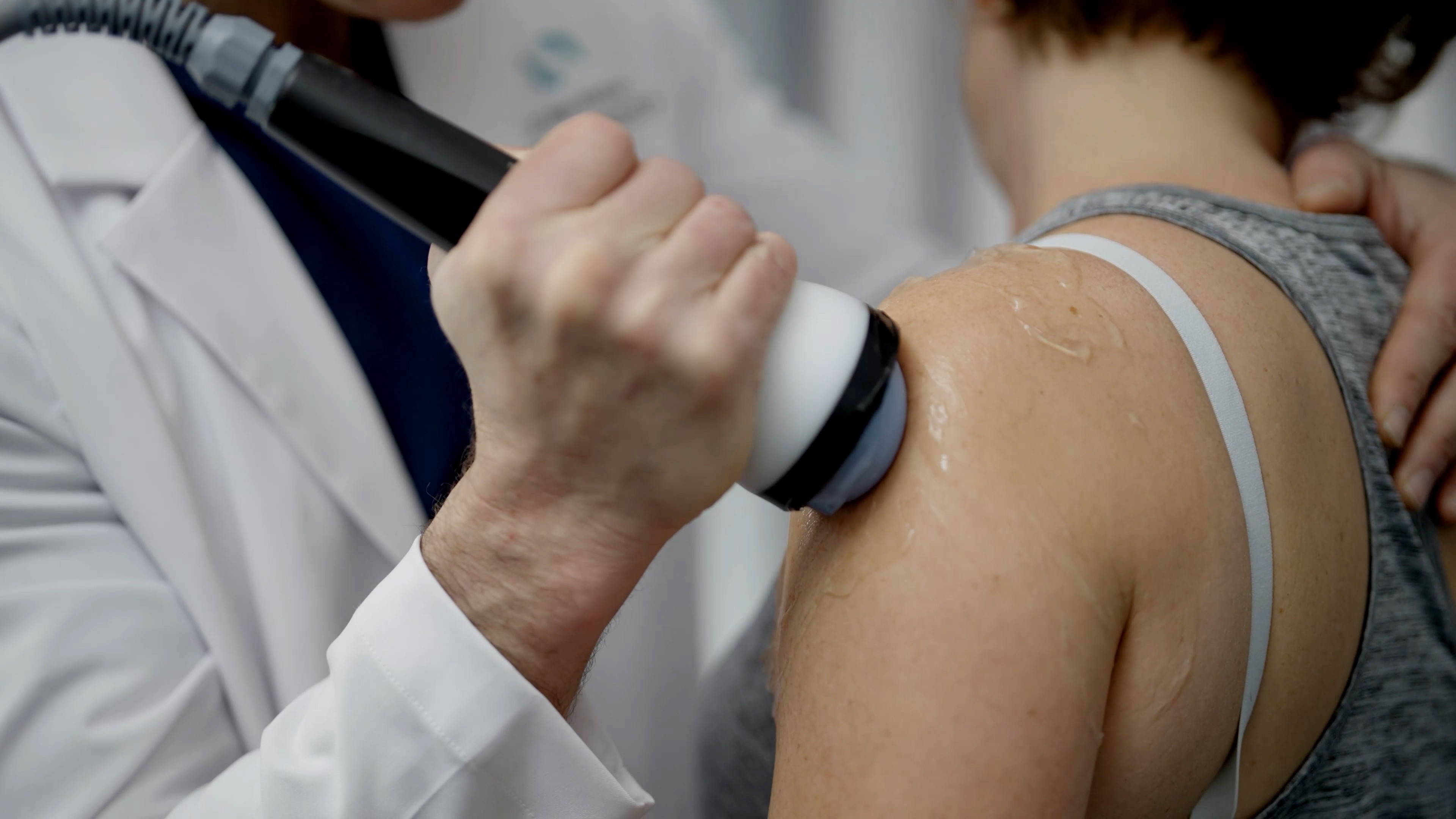
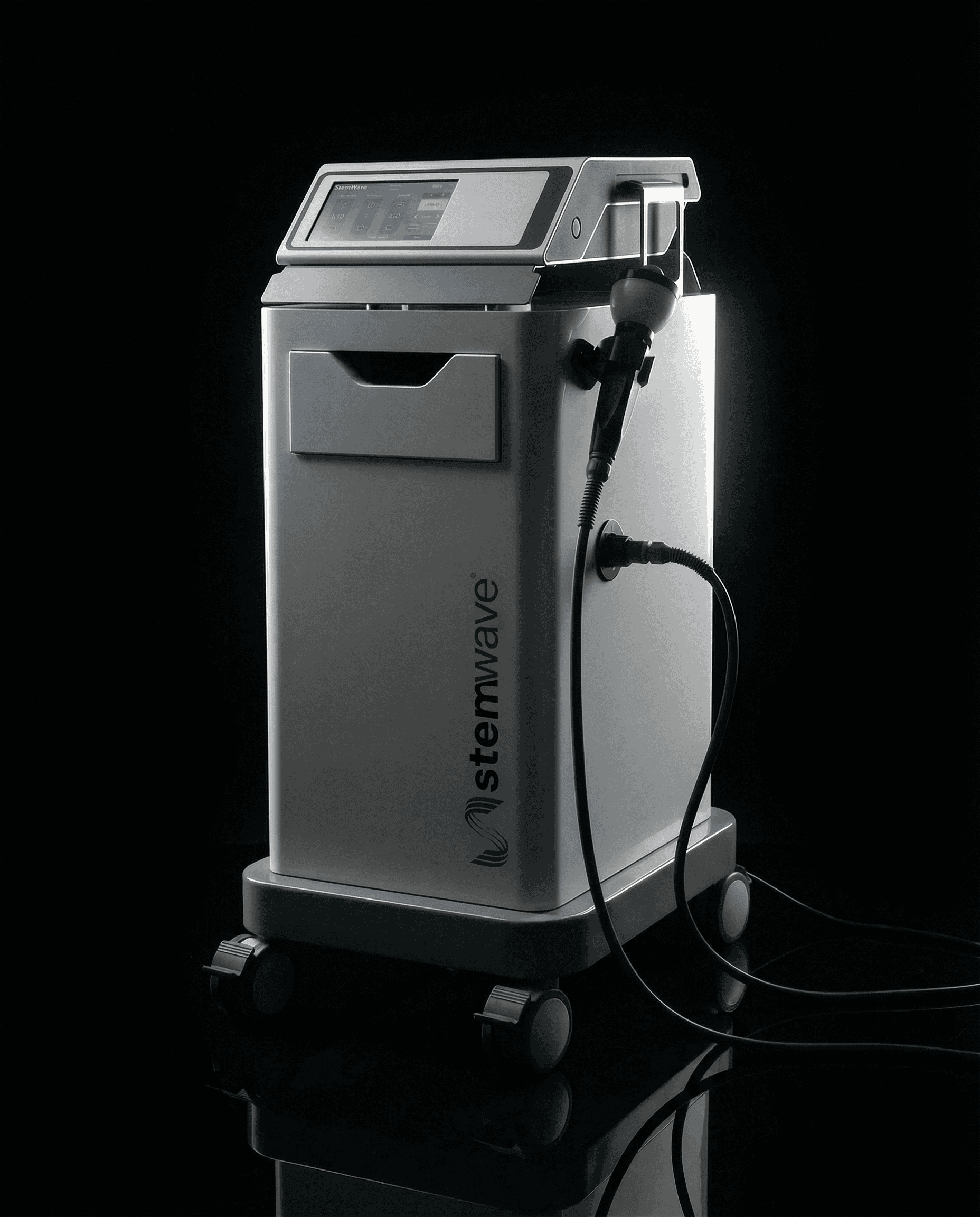
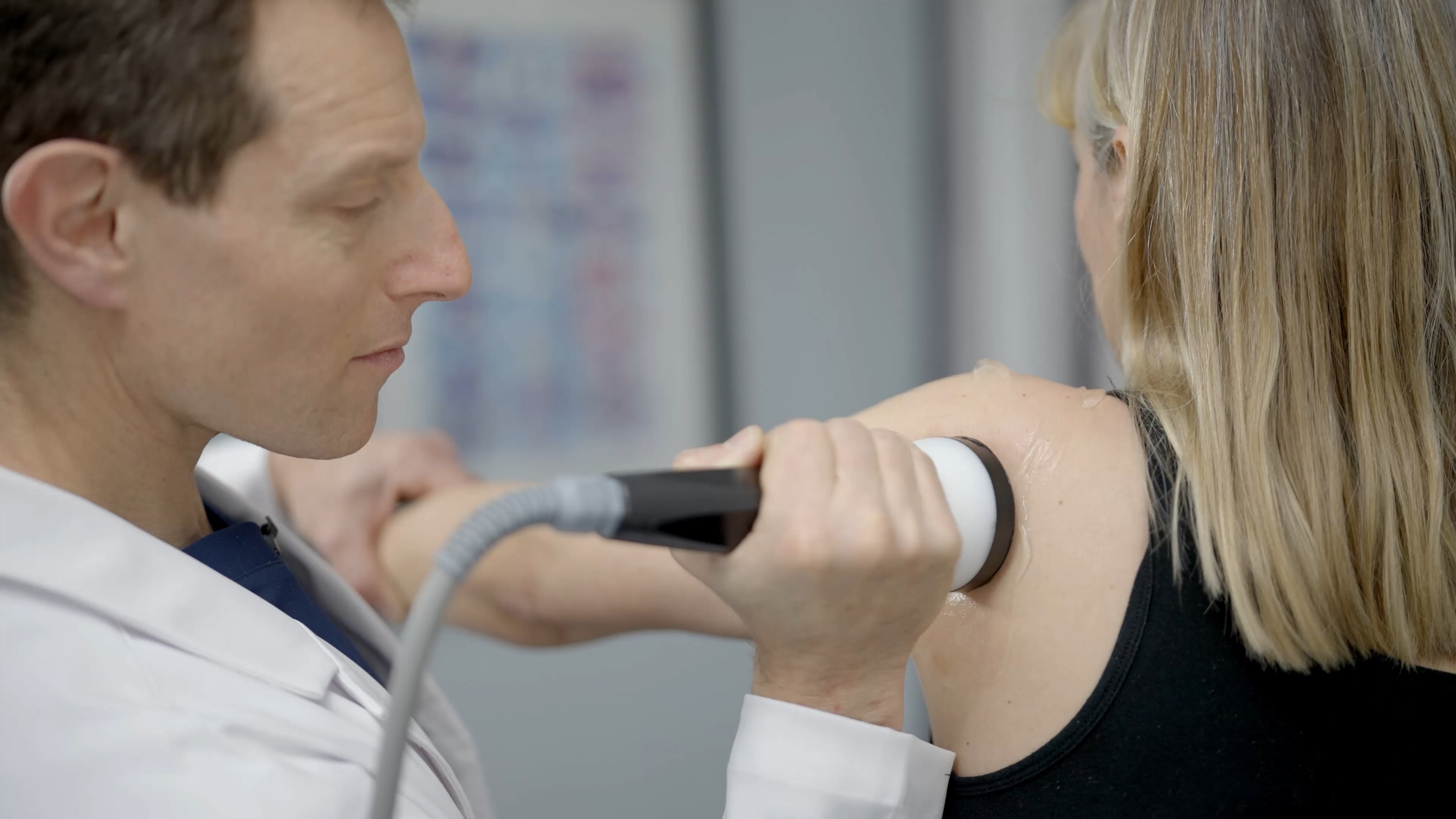
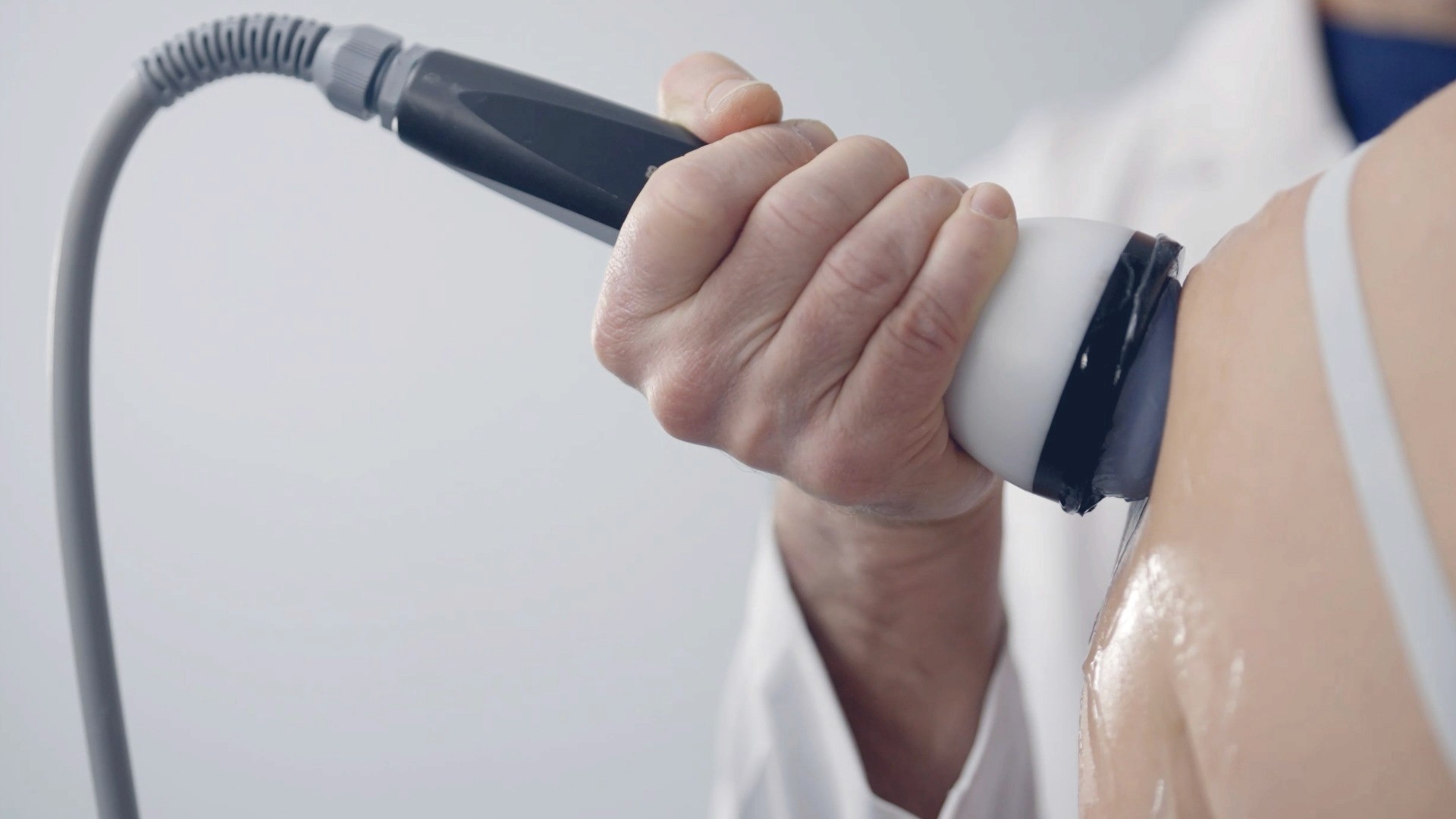
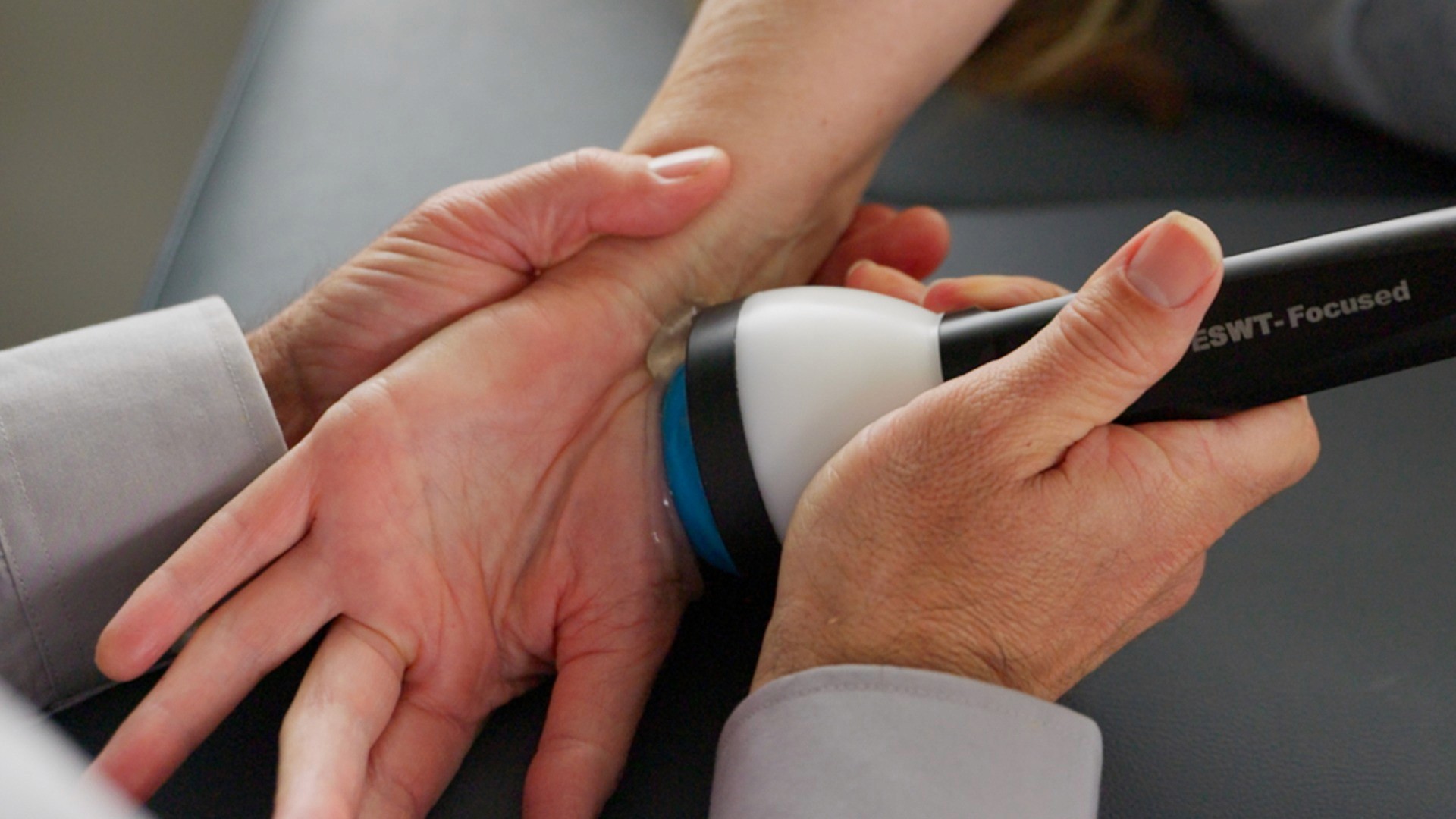
StemWave’s Cellular Response Technology (CRT) uses low-intensity focused acoustic waves delivered directly into the subacromial space — the exact site where impingement pain begins.
This targeted mechanical energy initiates mechanotransduction, a cellular process where mechanical stimuli trigger biochemical responses that promote tissue repair. For shoulder impingement specifically, the effects are meaningful:
Enhanced Angiogenesis: Improves microcirculation in the supraspinatus tendon region, known for poor blood supply.
Recruitment of Growth Factors & Progenitor Cells: Supports remodeling of irritated tendon fibers.
Breakdown of Micro-Calcifications & Adhesions: Addresses structural changes that PT or injections cannot reverse.
Modulation of Pain Pathways: Provides symptom relief while underlying tissue repair occurs.
Unlike injections that fade or surgeries that remove tissue, CRT works with the body to restore normal mechanics inside the crowded subacromial space.
(For educational purposes only; not a real patient or patient outcome.)
Patient Profile
52-year-old recreational tennis player
Six months of persistent anterior shoulder pain
Unresponsive to PT and corticosteroid injections
Struggles to serve overhead, reach into cabinets, and sleep on the affected side
Pathway A: CRT
8 in-office sessions across 4–6 weeks
Each session: 5–8 minutes, no anesthesia, no downtime
Reports 20–30% pain reduction by week 2
By session 8: 80–90% improvement in comfort and function
Returns to light tennis by week 6
Out-of-pocket cost: $1,200–$1,600
Pathway B: Arthroscopic Decompression
Single-day surgery under general anesthesia
Sling immobilization: 1–2 weeks
PT: 12–16 weeks, 2–3x per week
Time off work: ~2 weeks
Overhead activity limited for 6–8 weeks
Return to tennis: 4–6 months, often with plateaued improvement
Risks: infection (1–2%), stiffness/incomplete relief (10–15%)
Out-of-pocket cost: $8,000–$12,000
The Takeaway for Providers
Shoulder impingement is notoriously persistent because most interventions address symptoms rather than tissue dysfunction in the subacromial space. CRT offers a middle ground — non-invasive, fast, and specifically designed to stimulate cellular repair.
For providers, this represents more than another modality: it’s an opportunity to keep patients active, avoid the burdens of surgery, and offer meaningful improvements within weeks instead of months. Click here to see exactly how we do this with our lead clinical advisor, Dr. Allen Manison.
The question is less about replacing existing care and more about integration:
What if you could add a targeted, biologically driven option between conservative management and surgery? How many patients would that change the trajectory for?
Discover how CRT is redefining the treatment of shoulder impingement.
Read more

"/><stop offset="1" stop-color="rgba(120, 120, 120, 0)"/></linearGradient></defs><path d="M 3.5 0 C 5.433 0 7 1.567 7 3.5 C 7 5.433 5.433 7 3.5 7 C 1.567 7 0 5.433 0 3.5 C 0 1.567 1.567 0 3.5 0 Z" fill="url(%23Yb_LPHN9p-114151446-linear-gradient)" height="7px" id="Yb_LPHN9p" transform="translate(1 1)" width="7px"/></svg>)

Everything you need to know about cutting edge medical device.
