
Piezowave vs. StemWave: Why Depth + Precision Matters in Focused Wave Therapy
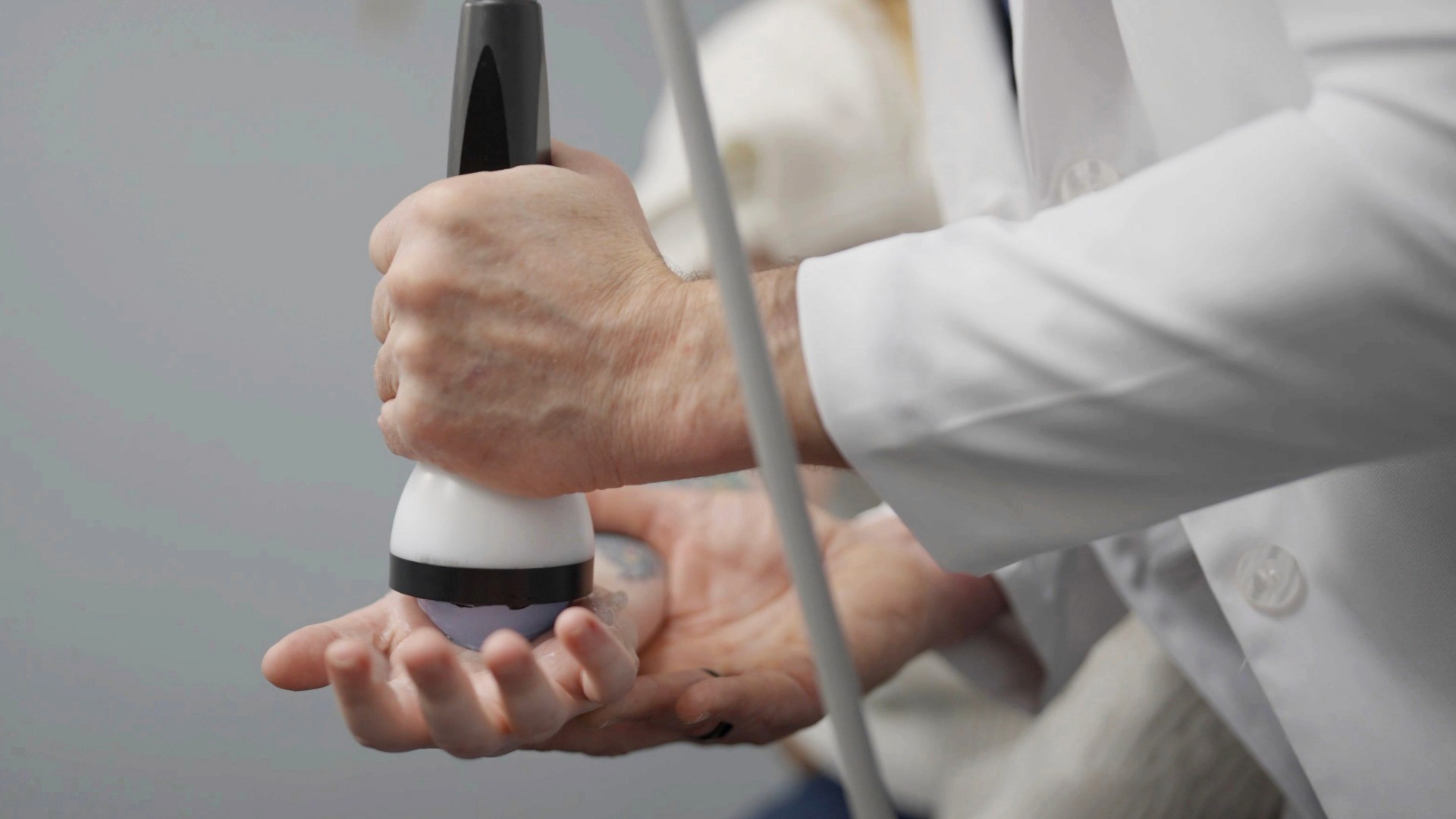
Piezowave and StemWave are both focused acoustic wave devices used to treat chronic pain and musculoskeletal conditions. Piezowave offers precision with piezoelectric technology and multiple therapy sources, while StemWave delivers both precision and deeper penetration with electrohydraulic technology. The key difference: StemWave reaches all layers of tissue, not just the surface.
What Is Piezowave Therapy?
Piezowave (PiezoWave² / PiezoWave2T MyACT) is a piezoelectric focused shockwave system. It uses an array of crystals arranged on a spherical surface to generate mechanical waves that self-focus at a chosen depth.
Therapy source options:
Focused for pinpoint tendon insertions
Linear-focused for elongated tissues
Planar for shallow, surface-level applications
This flexibility makes Piezowave highly effective for precise, surface-level pathologies like plantar fascia or tennis elbow.
But here’s the limitation: depth. Many stubborn pain cases originate in tissues well beneath the surface, fascia layers, tendinous junctions, or periosteum. Piezowave’s precision works well up top, but it can’t reach where many chronic problems actually live. That’s where a device that can handle both surface and deep tissue—like StemWave—becomes indispensable.
What Is StemWave Therapy?
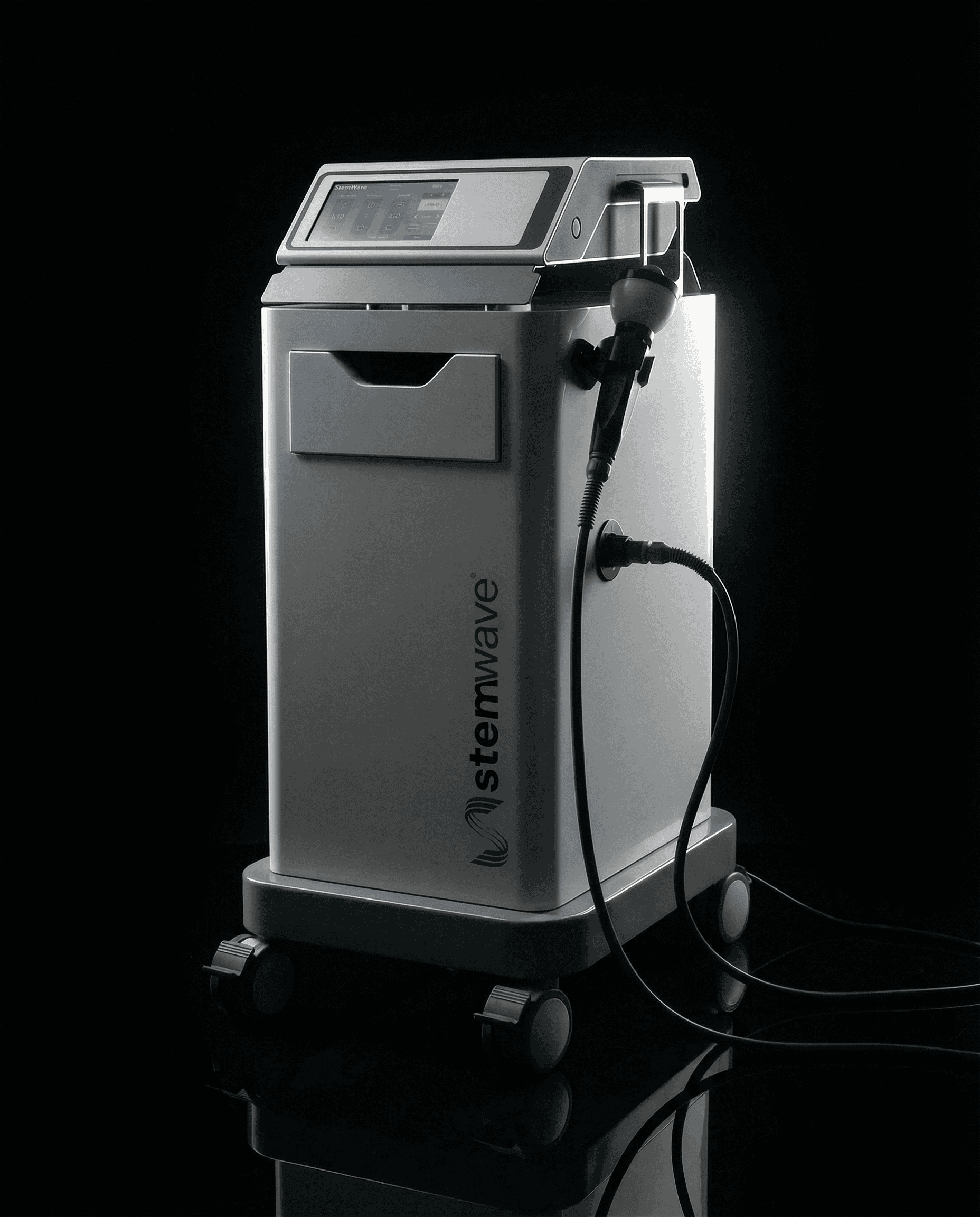
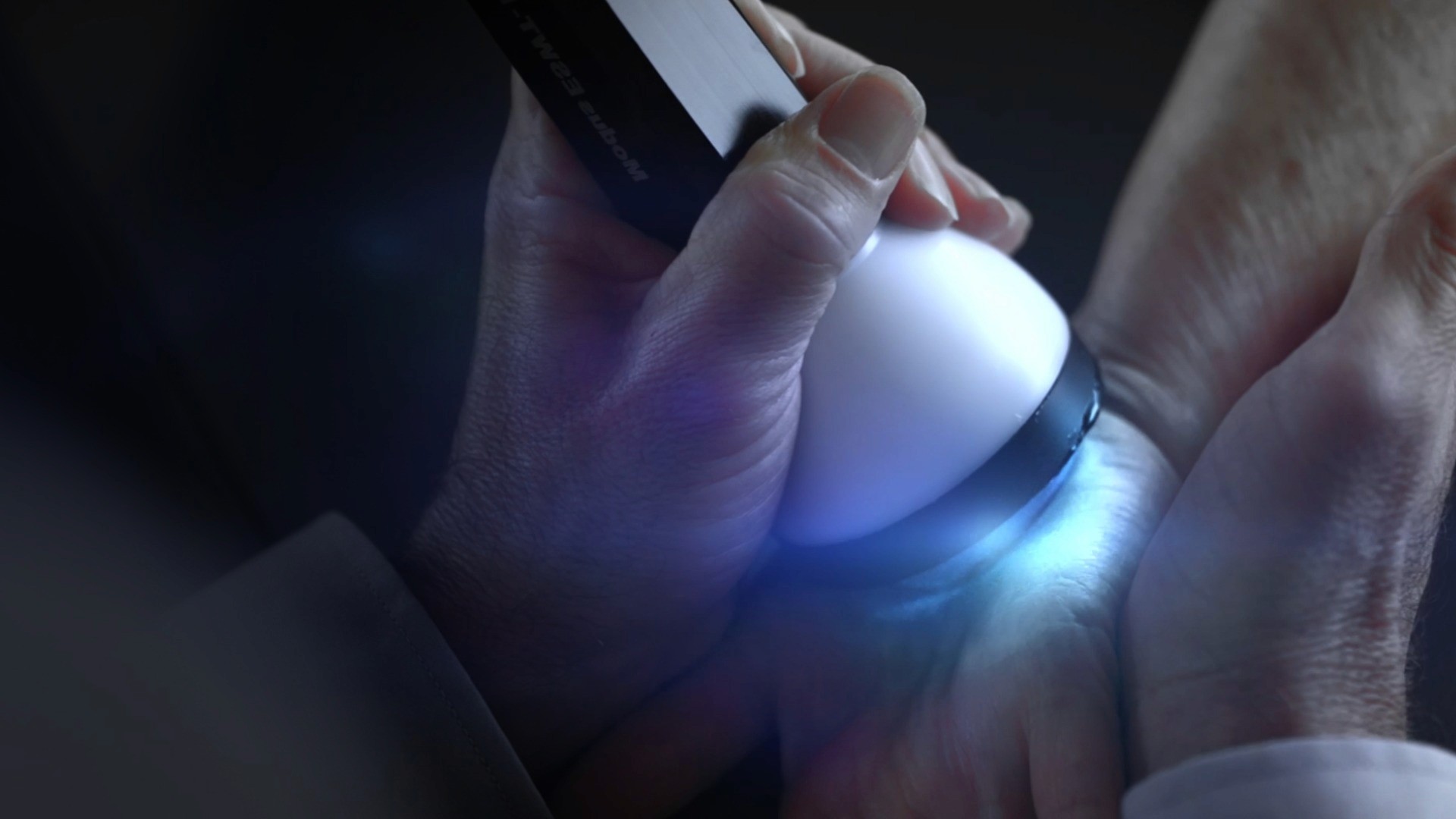
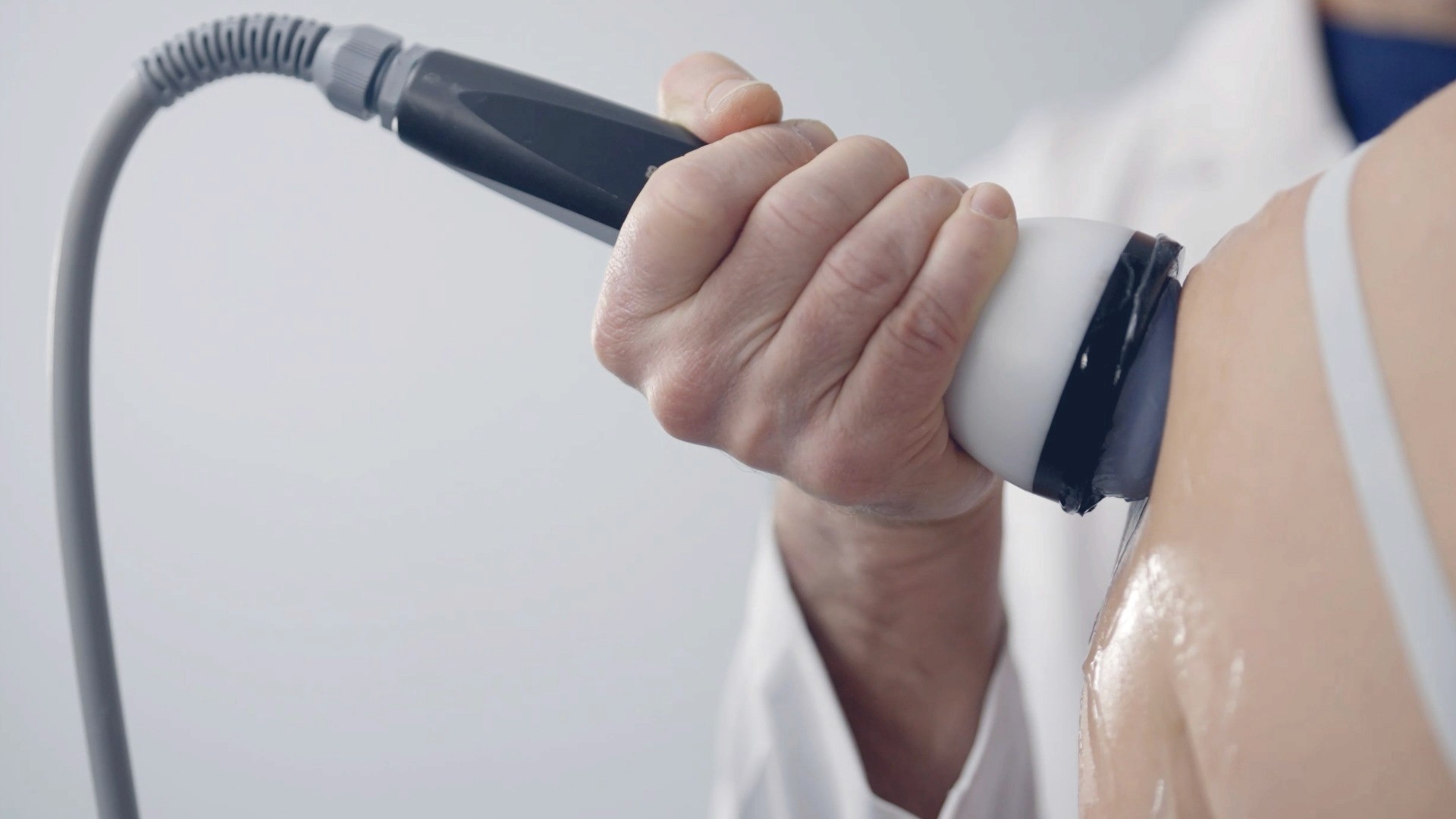
StemWave is an electrohydraulic focused acoustic wave device, built on medical ESWT principles used for decades. A spark in water creates a plasma bubble, generating a pressure wave powerful enough to penetrate deeply.
Key differentiators:
Deeper focal penetration (up to 12 cm): reaching tissues that piezoelectric devices can’t.
Larger focal zone with real-time patient feedback: enabling clinicians to quickly locate and treat both superficial and deep pain generators.
Shorter sessions (3-8 minutes): because the treatment zone covers more tissue layers in one pass.
Unlike Piezowave, which requires swapping therapy sources to adjust the focal zone, StemWave provides comprehensive coverage—surface and deep layers—in one handpiece. So you’re not choosing between precision and depth; you’re getting both.
Why Depth and Precision Define Outcomes
The question isn’t just “Which device is newer?” it’s “Where does the energy actually go?”
Chronic pain often originates below the surface. If your device can’t reach deep tissue layers, you’re treating symptoms, not the source.
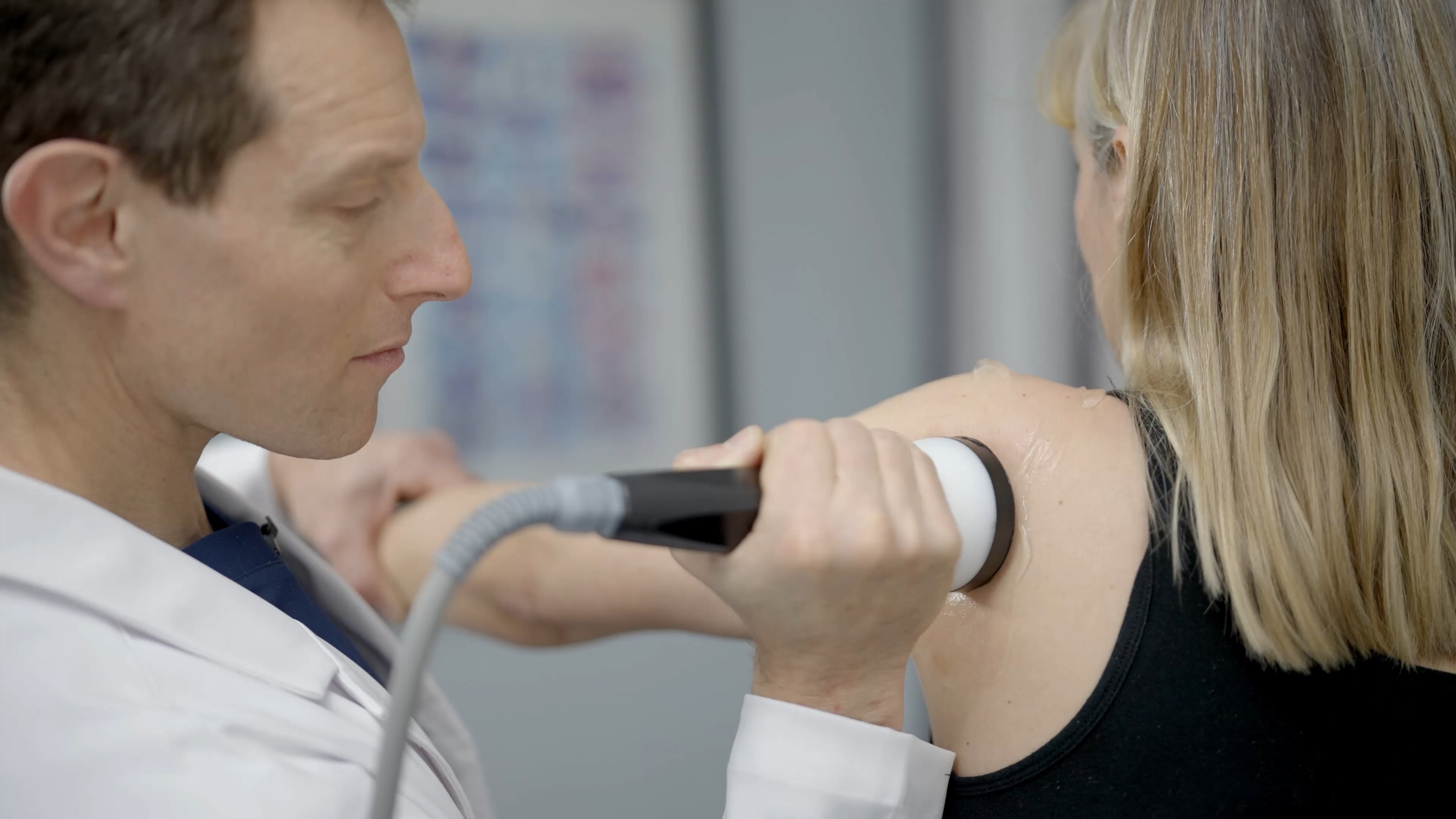
StemWave penetrates up to 12 cm, making it viable for conditions like chronic shoulder dysfunction, lumbar pain, or post-surgical scarring that surface-only devices struggle to impact.
Why Precision Still Counts
Piezowave shines in pinpoint cases: tendon insertions, plantar fasciitis, superficial trigger points.
But surface precision alone isn’t enough for complex or stubborn conditions. That’s why StemWave combines deep penetration with patient feedback, ensuring you still hit the right spot, while also addressing the deeper layers driving dysfunction.
In other words: Piezowave is strong in its lane, but StemWave widens the lane. Why settle for a device that only does surface well when you could have one that does surface and depth?
Comparison Table: Piezowave vs. StemWave
Feature | Piezowave | StemWave |
Generation method | Piezoelectric | Electrohydraulic |
Focal geometry | Configurable (focused, linear, planar) | Single, deep focal zone (up to 12 cm) |
Best for | Localized tendon injuries, surface-level cases | Chronic, multi-layer, or diffuse pain |
Targeting style | Adjustable precision | Depth + precision via real-time feedback |
Treatment time | Varies by protocol | Typically 5-8 minutes |
Training/support | Distributor dependent | Structured onboarding + optional coaching programs |
Bottom line | Great at surface but limited in depth | Covers everything Piezowave does plus deeper tissue |
What Conditions Can They Treat?
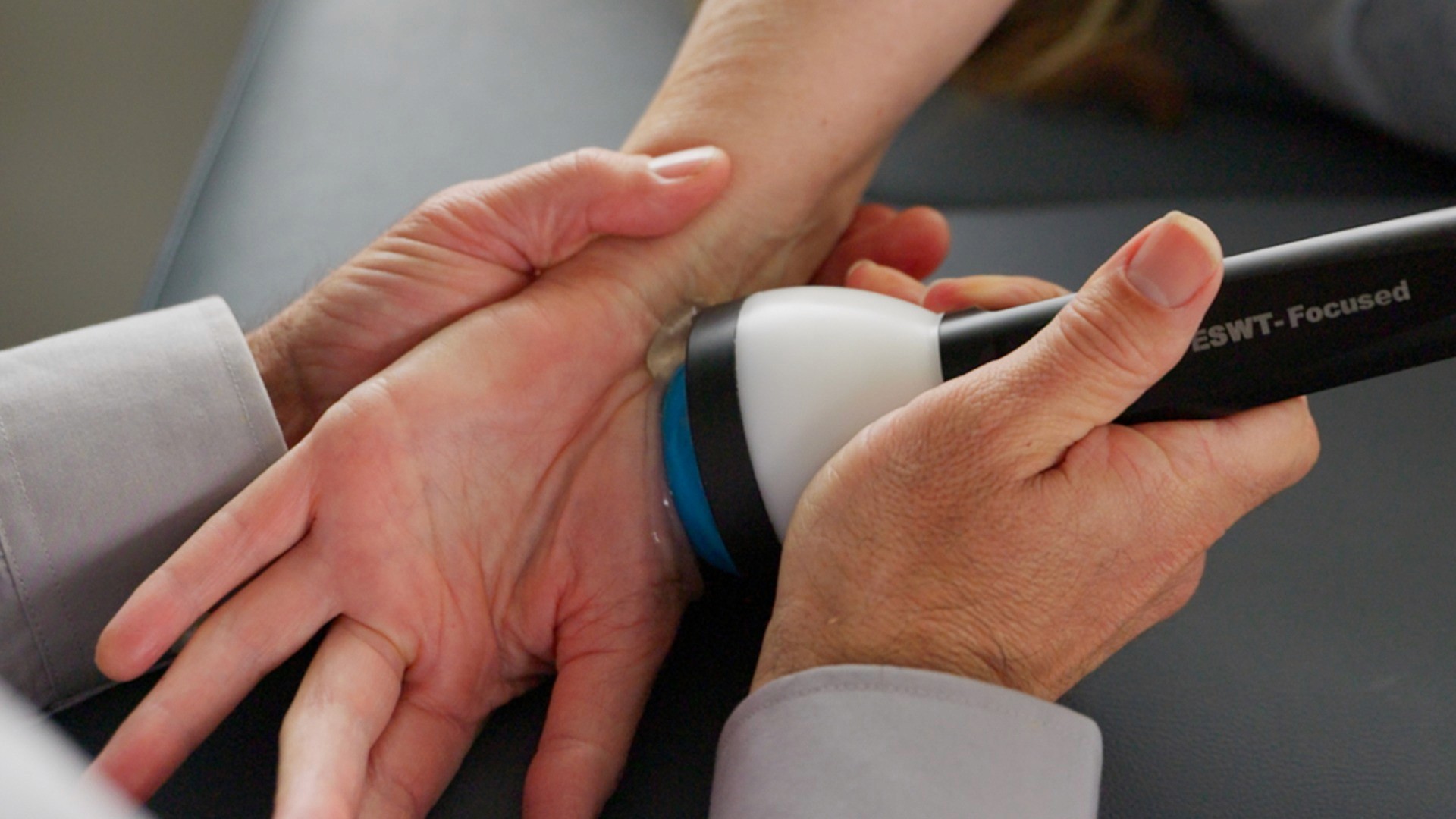
Both devices fall under the umbrella of focused ESWT, with literature supporting use in:
Plantar fasciitis
Achilles tendinopathy
Calcific tendinopathy (shoulder)
Lateral epicondylitis
Myofascial pain
Non-union fractures (specialized protocols)
Where Piezowave excels: localized tendon pain, superficial trigger points, and shallow fascia.
Where StemWave expands capability: deep shoulder dysfunctions, chronic lumbar pain, post-surgical adhesions, or any case where pain sources span multiple layers.
It’s not about one replacing the other. It’s about asking: Why stop at surface-level results when deeper outcomes are possible?
FAQ
Q: What is the main difference between Piezowave and StemWave?
A: Piezowave delivers precision with configurable therapy sources for surface-level conditions. StemWave offers both precision and deep penetration, treating multiple layers of tissue in a single session.
Q: Which device is better for chronic pain?
A: Piezowave may help with localized tendon injuries. For deeper or more complex pain, StemWave’s depth provides a significant advantage.
Q: How long do treatments take?
A: Piezowave treatment times vary depending on the treatment area and injury; StemWave sessions typically run 5-8 minutes regardless of treatment.
Q: Who provides training and support?
A: Piezowave support depends on the distributor. StemWave provides structured onboarding and optional live coaching programs.
The Bottom Line
Piezowave has built a reputation on surface-level precision. It works well for tendon injuries and targeted trigger points. But pain rarely stays that simple, especially in the patients who walk through your doors after years of failed care.
That’s where depth becomes non-negotiable. StemWave delivers the precision you’d expect from focused wave therapy but adds deep penetration that expands what’s possible.
Read more


"/><stop offset="1" stop-color="rgba(120, 120, 120, 0)"/></linearGradient></defs><path d="M 3.5 0 C 5.433 0 7 1.567 7 3.5 C 7 5.433 5.433 7 3.5 7 C 1.567 7 0 5.433 0 3.5 C 0 1.567 1.567 0 3.5 0 Z" fill="url(%23Yb_LPHN9p-114151446-linear-gradient)" height="7px" id="Yb_LPHN9p" transform="translate(1 1)" width="7px"/></svg>)

Everything you need to know about cutting edge medical device.
