
How patients will define “Quality Care” in 2026: what providers need to know now
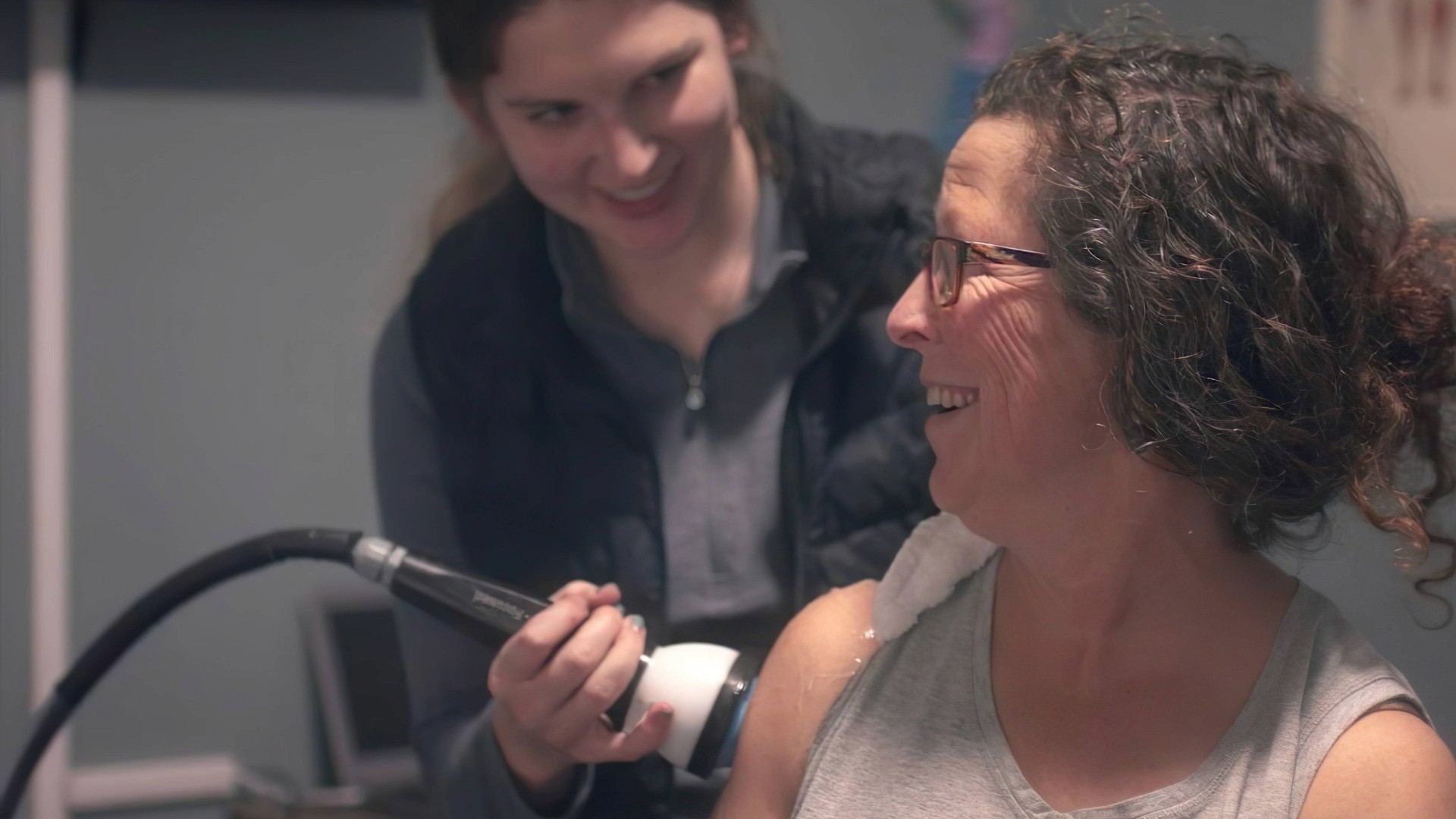
Patient expectations are shifting faster than most practices adapt. The definition of “quality care” in 2026 won’t match what it meant five years ago, and providers still operating under old assumptions will watch patients leave for clinics that deliver what modern healthcare consumers actually want. The practices that understand these shifts now will dominate their markets, while those that don’t will struggle to understand why patient volume keeps declining.
What do 2026 patients prioritize over insurance coverage?
Results over process
Patients used to accept that healthcare meant showing up repeatedly and hoping things got better. They might wait six weeks or three months to feel improvement, trusting the process. That tolerance is evaporating rapidly. Today’s patients research before they book, read reviews obsessively, and ask friends what actually worked. They are comparing your outcomes to what they’ve heard is possible elsewhere and joining online communities to share experiences in detail.
In 2026, “quality care” means measurable improvement that patients can see and feel. They will ask how much better they will feel after the first and fifth visits, what percentage of patients resolve their condition, and how success is measured. Providers who can answer these questions with specific data and confidence will win, while those who respond with vague reassurances like “every patient is different” will lose to someone who shows results.
Speed of resolution
The days of “come back twice a week for three months and we’ll see how you’re doing” are numbered. Patients have demanding jobs, families, and limited patience for open-ended treatment plans. Quality care in 2026 means defined protocols with clear endpoints. Patients want to know exactly how many visits are required, over what specific timeframe, and what happens if they aren't better by then. A 10-visit protocol that resolves a condition beats a 40-visit maintenance plan that only manages symptoms. The practice that offers resolution over maintenance captures the patient who values their time and money. This shift particularly impacts traditional PT and chiropractic models built on ongoing maintenance care.
Transparency on cost
Healthcare pricing has been deliberately opaque for decades, creating a system where nobody knows what anything costs until after they receive it. Patients are done with surprise bills and providers who can't tell them what insurance will cover. Quality care in 2026 means knowing the total cost upfront before commitment.
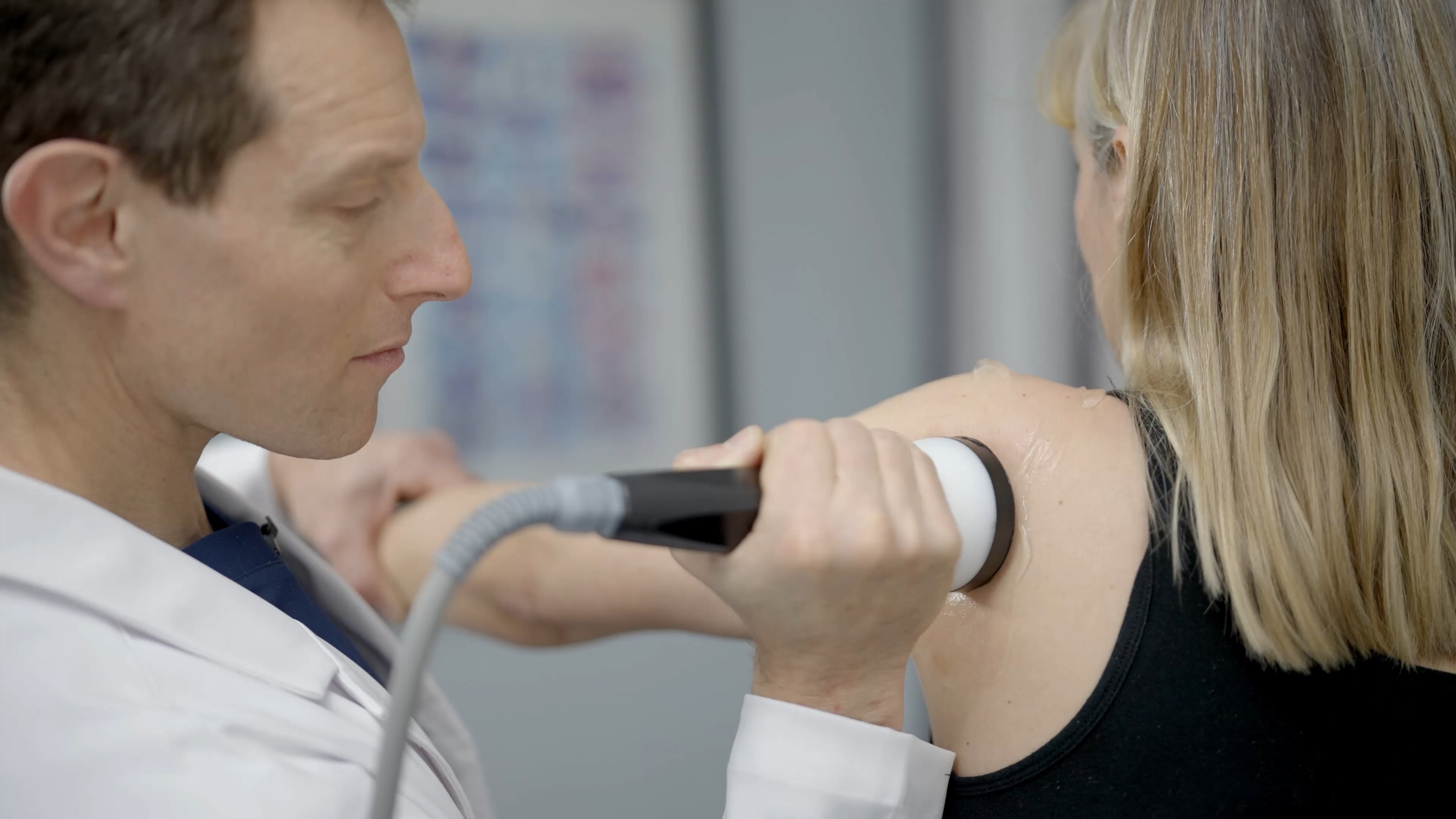
Cash-pay practices have an enormous advantage here because the price is the price, with no negotiation with insurance companies months later. Patients will increasingly choose this transparency over the insurance lottery, even when it means paying more out of pocket initially. Dr. Miller, a StemWave provider, suggests letting the patient make the decision for themselves by showing them what the technology is capable of. When you can change a patient's livelihood or quality of life, they are willing to pay for it.
Access without gatekeepers
The traditional pathway of waiting for a primary care referral and specialist availability frustrates modern patients used to on-demand services. Quality care in 2026 means direct access where patients can book online and get in within the week without a referral. Practices that remove friction and gatekeepers capture patients who are ready to act now.
Why technology patients can feel matters more than ever
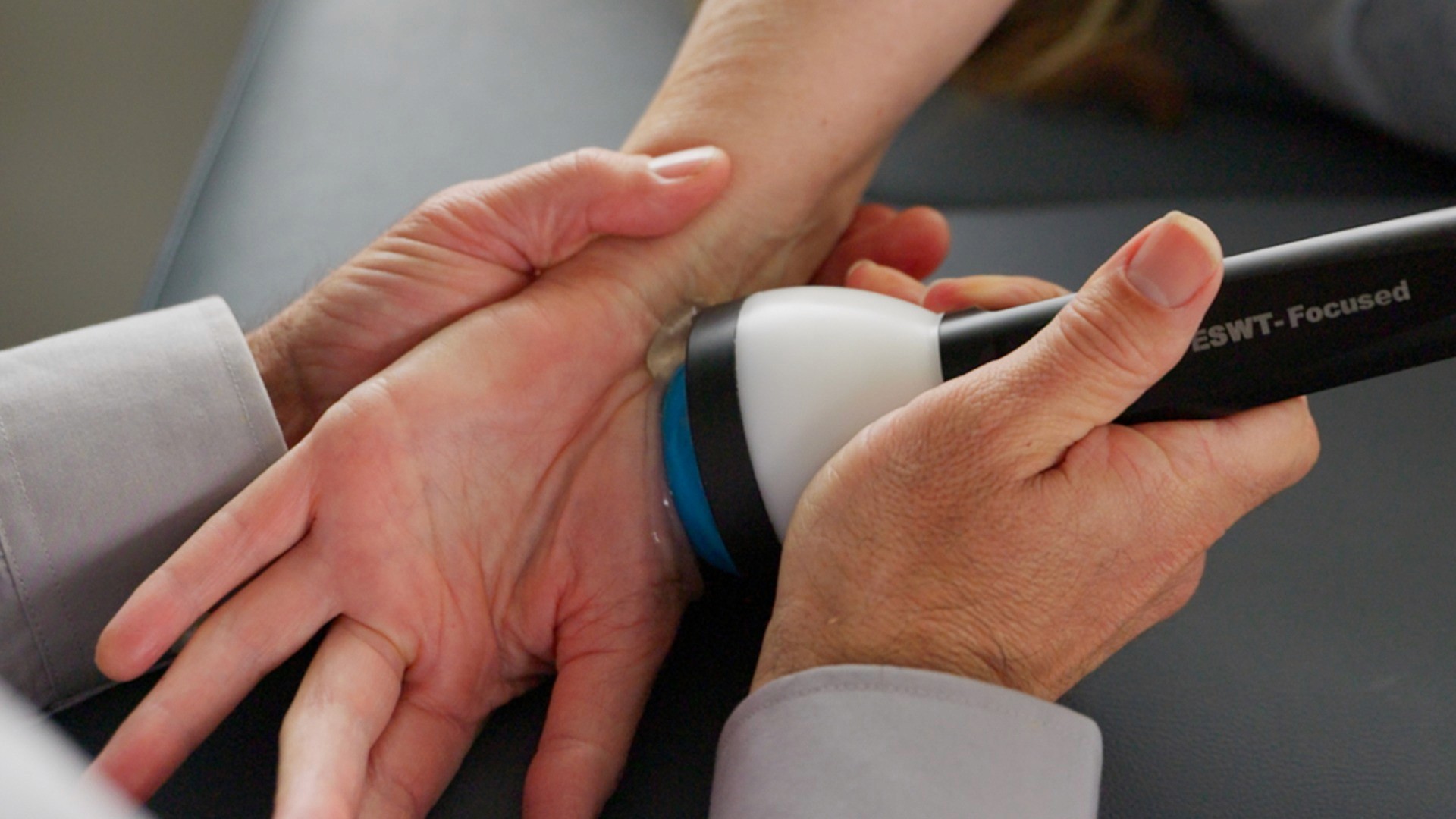
Patients have become increasingly skeptical of modalities they can’t perceive working, such as ultrasound that feels like nothing or generic electrical stimulation. They leave wondering if anything actually happened or if they are wasting their money. Quality care in 2026 means technology with tangible, immediate impact. Patients want to feel something happening during treatment and feel measurably different when they leave.
Immediate, perceptible results build trust and provide evidence of real activity at the tissue level. Patients who experience 20-30% improvement on visit one become advocates, while those who feel nothing become skeptics. One provider described a patient whose squat depth increased significantly and pain was reduced by 50% after just one treatment.
What communication standards will 2026 patients demand?
According to Time Magazine, almost 3/4 of patients feel “failed” by the healthcare system. In 2026, patients want proactive updates without having to chase information. They want to know where they are in the process, what comes next, and if they are on track for discussed outcomes. If not, they want to know the adjusted plan. Providers who communicate proactively generate five-star reviews, while those who don’t get ghosted.
How will online reviews shape provider selection in 2026?
Online reviews have already transformed healthcare decisions, but patients are getting more sophisticated. For more than 75% of doctors, reviews cover key patient concerns. Quality care in 2026 means reviews that tell outcome stories rather than just saying a doctor is "nice". Specificity about resolving chronic conditions matters more than generic ratings. Practices that generate outcome-specific reviews will dominate local search, as patients trust other patients more than provider marketing.
Comparison table: 2020 vs 2026 patient expectations
Factor | 2020 Patient Asks | 2026 Patient Asks |
|---|---|---|
Cost Question | “Do you take my insurance?” | “What’s the total cost upfront?” |
Duration Question | “How often should I come?” | “How many visits until I’m better?” |
Outcome Question | “What do you treat?” | “What results do patients like me get?” |
Validation Question | “Is this covered?” | “Does this actually work?” |
Trust Source | Doctor recommendation | Patient reviews with specific outcomes |
Access Expectation | Wait for referral and appointment | Book online, get in this week |
Treatment Experience | Accept passive modalities | Expect to feel something working |
Endpoint Expectation | Ongoing maintenance | Defined resolution |
What technology aligns with 2026 patient expectations?
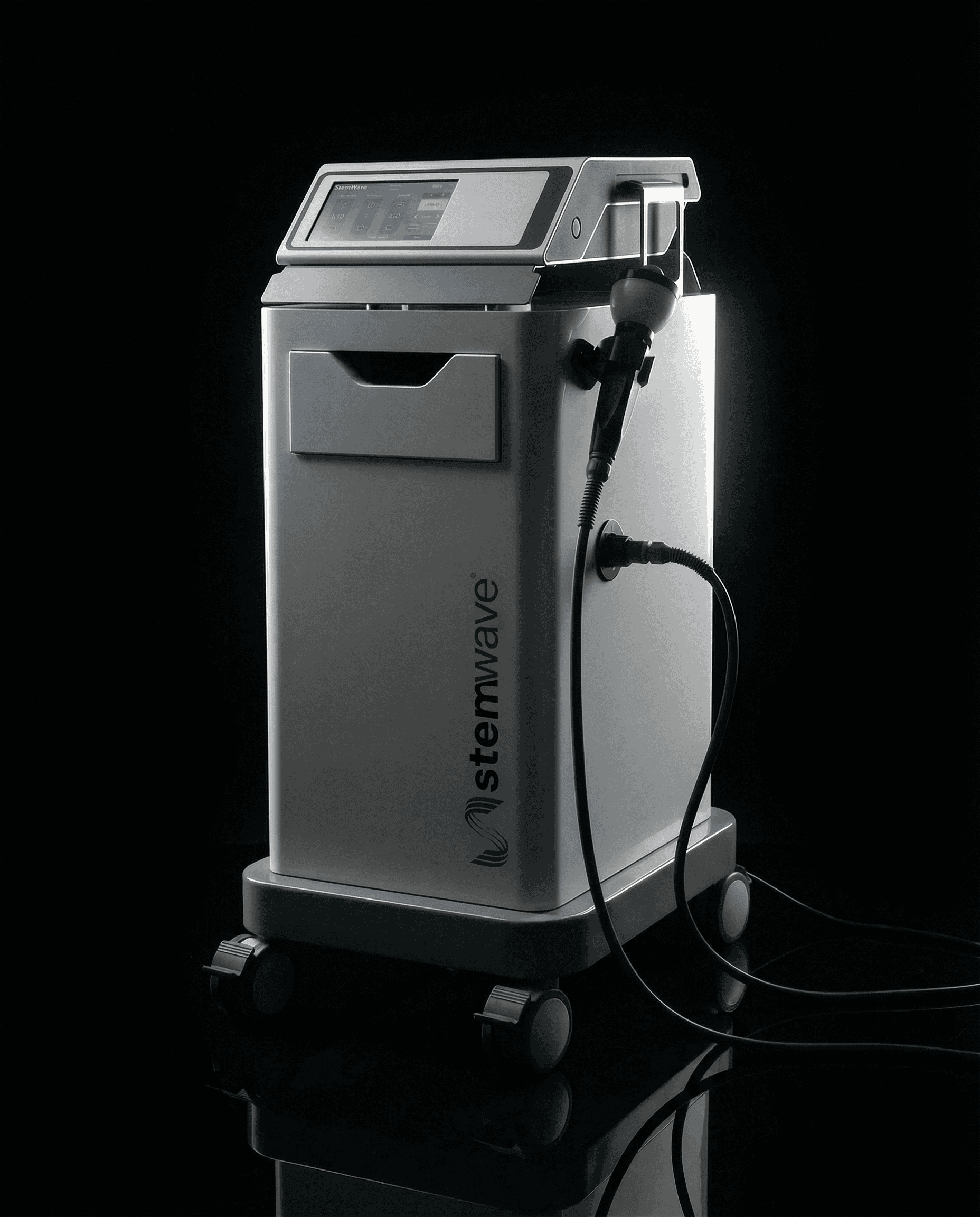
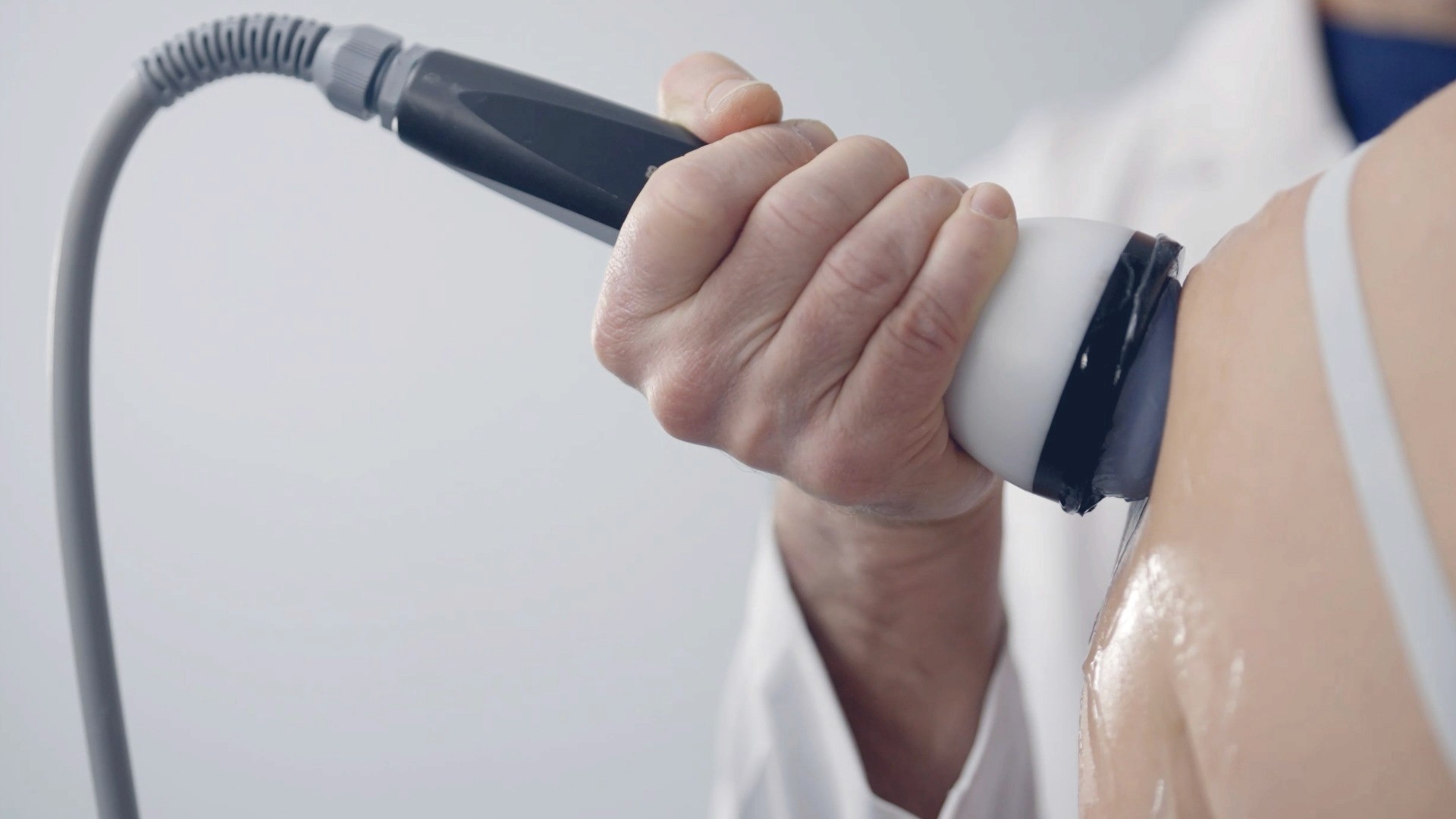
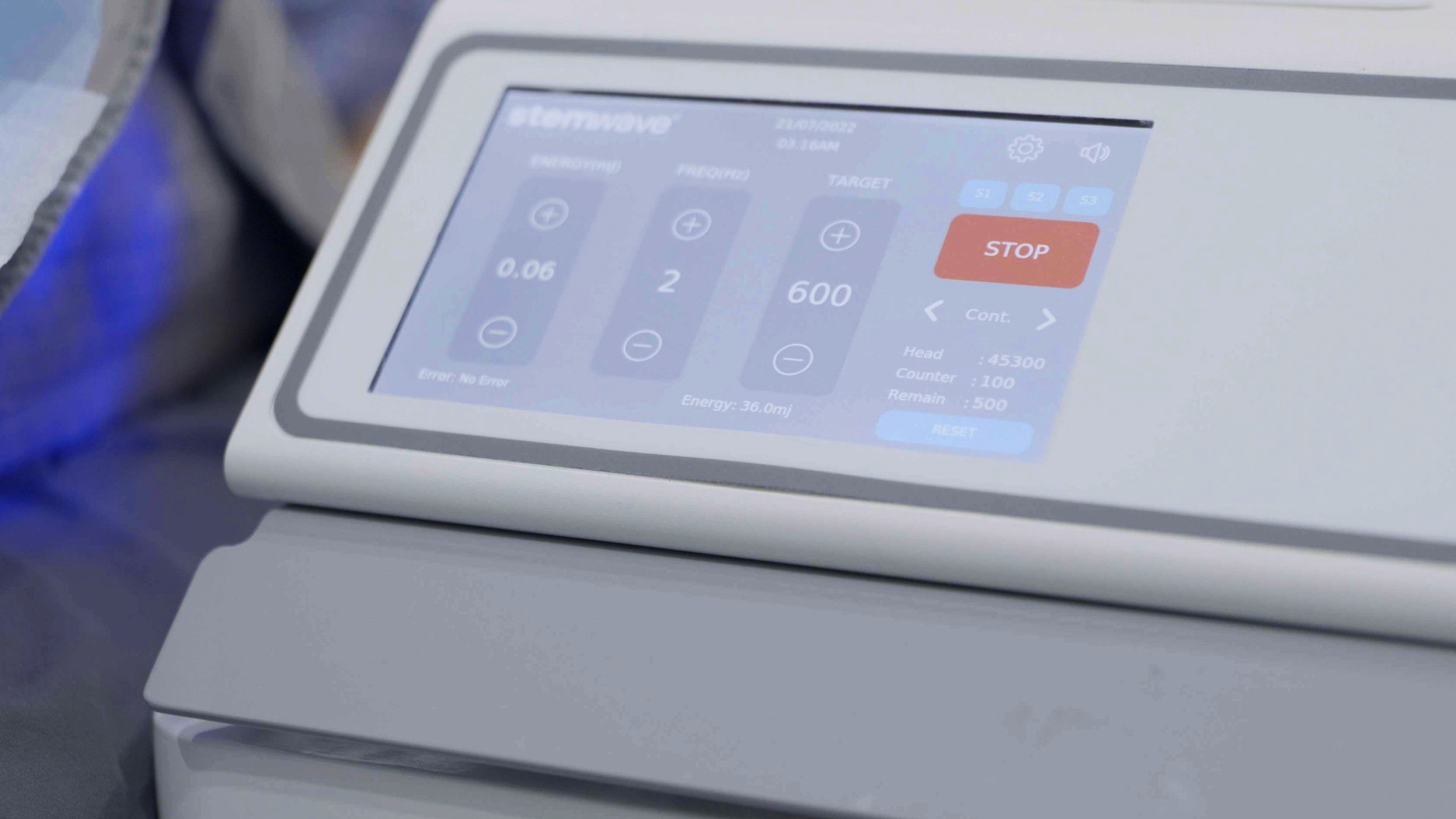
Technology that delivers measurable results on visit one and uses defined protocols with clear endpoints aligns with these trends. Electrohydraulic shockwave meets these expectations by providing 10-30% improvement in the first session and 8-12 sessions for a clear endpoint. It offers cash-pay transparency, a tangible experience, and generates compelling testimonials.
People also ask: future of patient expectations
Will insurance-based practices survive the shift to outcome-focused care? Some will adapt, but many won't. Practices that continue providing maintenance care without measurable outcomes will struggle as patients vote with their wallets. Survivors will either shift to cash-based models or improve their outcome tracking.
How can practices start preparing for 2026 patient expectations now? Start tracking and communicating outcomes while implementing technology that delivers immediate, measurable results. Train staff to answer outcome-focused questions and begin generating specific success story reviews.
What technology aligns best with 2026 patient expectations? Technology like electrohydraulic shockwave aligns best because it provides immediate results, defined protocols, and outcomes patients can feel.
How quickly are these expectations changing? They are already here; patients asking these questions today are the leading edge. By 2026, these will be baseline expectations.
Faq: preparing your practice for 2026
Q: Can i maintain my insurance-based model while adding outcome-focused services? Yes, many successful practices run hybrid models where cash services often subsidize lower-margin insurance work.
Q: What’s the single most important change to make? Add technology that delivers immediate, measurable results that patients can feel on visit one. If you can show improvement in the first session, the rest of the patient experience transforms.
Q: How do i generate outcome-specific reviews? Ask patients after they’ve completed their protocol and experienced resolution. Provide prompts like “What couldn’t you do before?” and “What can you do now?”.
The practice positioning shift
Winning practices in 2026 will shift from credentials and process to outcomes and transparency.
Old positioning: “We treat back pain with evidence-based care”.
New positioning: “85% of our chronic back pain patients return to full activity within 12 sessions. Here’s what patients like you have experienced”.
Old positioning: “We accept most insurance plans”.
New positioning: “Total protocol cost is $1,800. You’ll know after your first session if you’re responding”.
The bottom line
Quality care in 2026 means results, speed, transparency, access, and proactive communication. Practices offering technology with immediate, measurable outcomes position themselves ahead of the curve. The question is whether your practice will meet these changing expectations.
That’s where StemWave comes in.
Read more


" transform="translate(1 1)" width="7px"/></svg>)
Everything you need to know about cutting edge medical device.
