
Focused Wave Therapy for Knee Osteoarthritis: How It Works, Who It Helps, and What Results to Expect
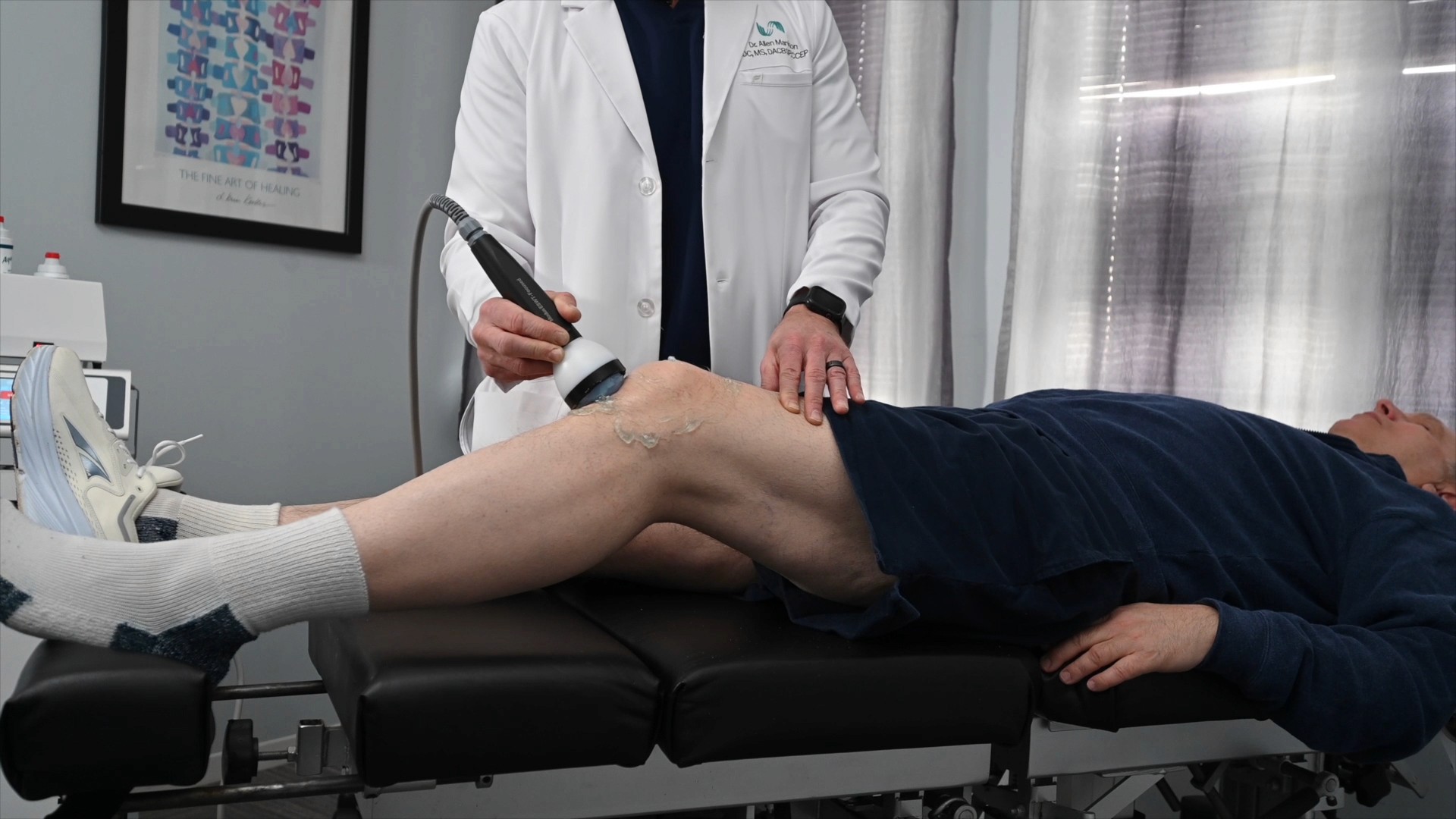
Focused wave therapy treats knee osteoarthritis by improving microcirculation in arthritic joints, reducing chronic inflammation, stimulating cartilage metabolism, and addressing periarticular soft tissue restrictions. Treatment protocols typically involve 10-12 sessions spaced 1-2 times per week, with patients experiencing 80-95% improvement in pain and function after completing the full protocol. While focused wave therapy cannot reverse bone-on-bone degeneration, it offers significant pain relief and functional improvement, delaying or avoiding joint replacement surgery for many patients.
Why Knee Osteoarthritis Patients Seek Focused Wave Therapy
Walk into any clinic and you’ll find patients exhausted by their knee arthritis journey.
They’ve tried everything conventional medicine offers. NSAIDs that upset their stomach. Physical therapy that provides temporary relief. Cortisone injections that stop working after a few weeks. Viscosupplementation that didn’t help. Bracing that feels cumbersome.
Their orthopedic surgeon mentioned joint replacement, but they’re not ready for that. They want to delay surgery as long as possible. They want to keep walking without pain. They want to play with their grandchildren. They want to travel without worrying about their knees giving out.
That’s where focused wave therapy comes in.
What Is Knee Osteoarthritis?
Knee osteoarthritis is progressive joint degeneration characterized by cartilage breakdown, subchondral bone changes, and chronic inflammation in the joint space.
The condition develops gradually. Cartilage thins and roughens. Bone spurs form. The joint space narrows. Synovial fluid becomes less effective at lubricating the joint. Surrounding soft tissues (capsule, ligaments, muscles) develop restrictions and trigger points.
Pain, stiffness, swelling, and functional limitation follow.
Common Patient Complaints:
Knee pain with stairs, walking, or standing
Morning stiffness lasting 10-30+ minutes
Swelling after activity
Difficulty kneeling or squatting
Clicking or grinding sensations
Reduced walking distance
Sleep disruption from pain
Fear of joint replacement surgery
How Does Focused Wave Therapy Work for Knee Osteoarthritis?
Focused wave therapy addresses multiple pathological processes occurring in arthritic knees.
1. Improves Microcirculation
Arthritic joints have impaired blood flow. Chronic inflammation and tissue changes reduce oxygen and nutrient delivery to cartilage, bone, and surrounding structures.
Focused waves stimulate angiogenesis (new blood vessel formation) and improve microcirculation in the joint. Better circulation means better tissue metabolism, reduced inflammation, and enhanced repair capacity.
2. Reduces Chronic Inflammation
Osteoarthritis creates a low-grade inflammatory state in the joint. This inflammation perpetuates pain, accelerates cartilage breakdown, and contributes to synovial thickening.
Focused waves modulate inflammatory pathways, reducing pro-inflammatory cytokines and promoting anti-inflammatory mediators. This breaks the chronic inflammation cycle without the side effects of long-term NSAID use.
3. Stimulates Cartilage Metabolism
While focused wave therapy cannot regenerate lost cartilage, it can stimulate remaining cartilage cells (chondrocytes) to maintain healthier tissue.
Mechanical stimulation from focused waves activates cellular repair pathways, potentially slowing degeneration progression. This won’t reverse advanced bone-on-bone changes, but it may preserve remaining cartilage in moderate cases.
4. Addresses Periarticular Soft Tissue Dysfunction
Knee arthritis doesn’t just affect the joint space. Surrounding muscles, tendons, ligaments, and fascial structures develop compensatory restrictions, trigger points, and altered biomechanics.
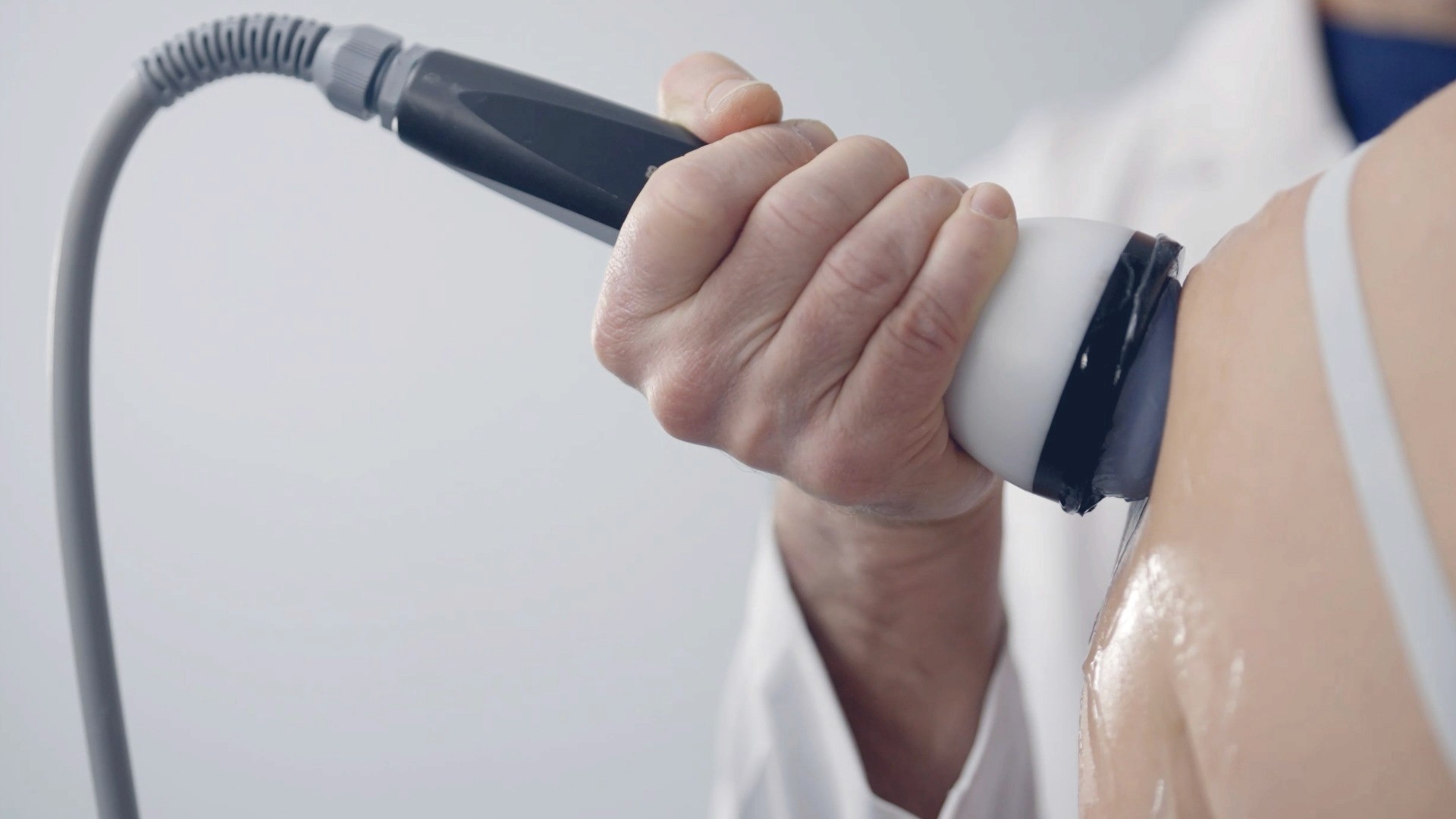
Focused waves penetrate deep enough to treat these periarticular tissues, breaking down adhesions, releasing trigger points, and improving tissue quality around the joint.
5. Modulates Pain Pathways
Chronic arthritis pain creates hypersensitive nerve pathways in the joint and surrounding tissues. This central sensitization means patients feel more pain from less stimulus.
Focused wave therapy modulates these pain pathways, reducing hypersensitivity and providing pain relief independent of structural joint changes.
Knee Osteoarthritis Treatment Protocol with Focused Wave Therapy
Example Patient Profile:
55-75 years old, knee pain for 1-5+ years, tried PT/medications/injections without lasting relief, moderate arthritis on imaging (not severe bone-on-bone), wants to delay or avoid joint replacement.
Treatment Protocol:
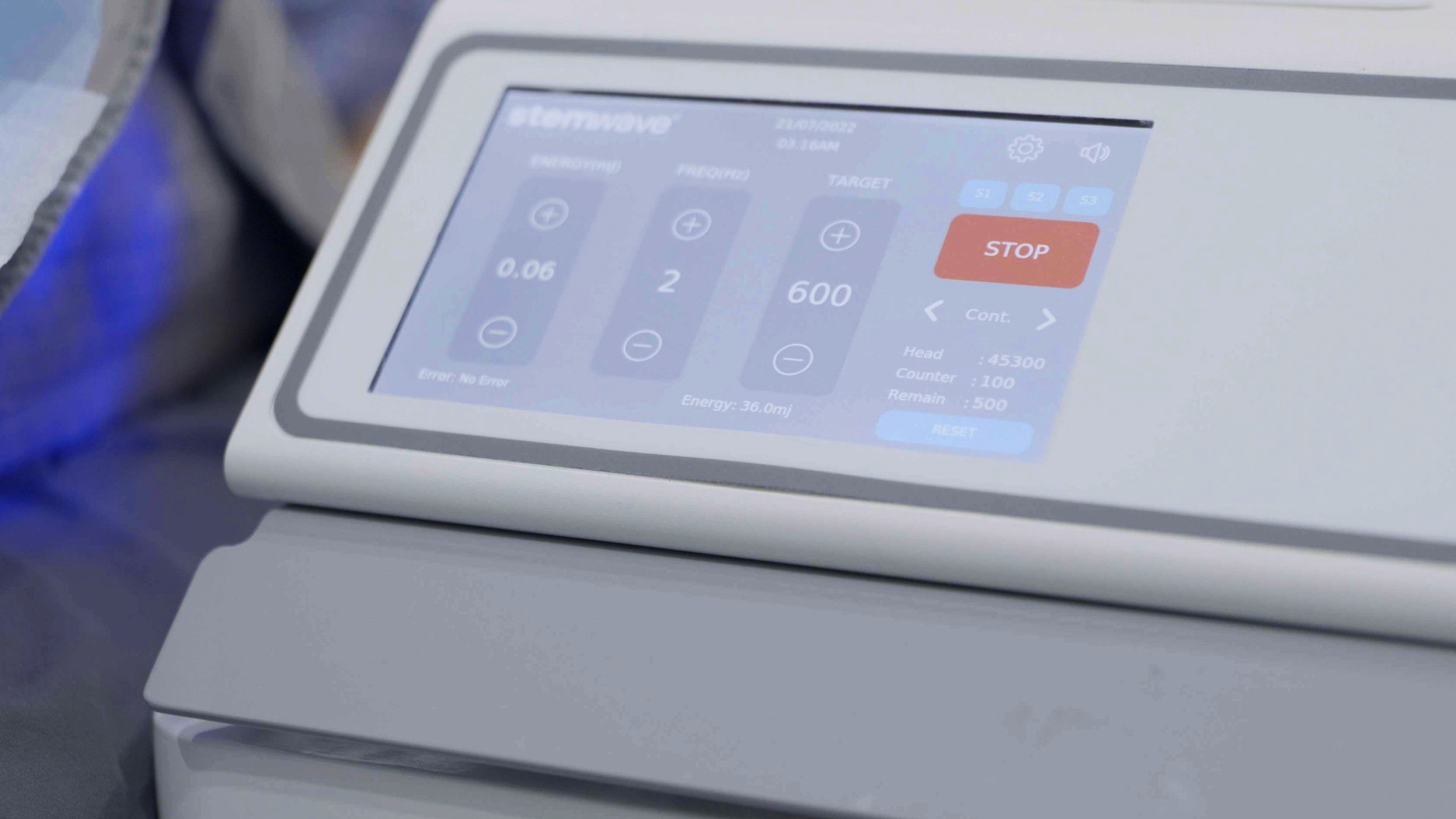
Sessions: 10-12 treatments
Frequency: 1-2x per week
Session duration: 3-5 minutes per knee
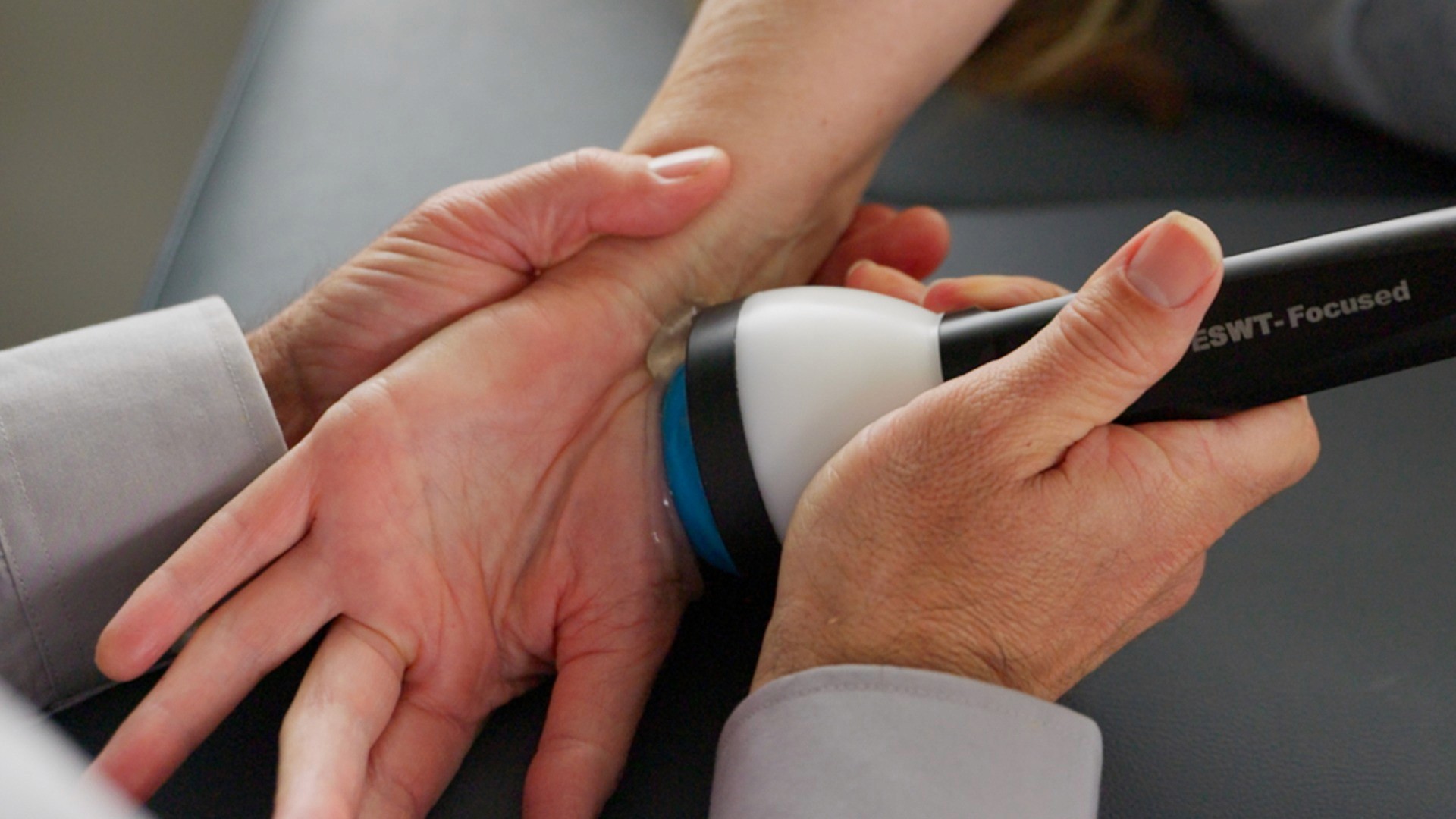
Target tissues: Periarticular soft tissue, areas of maximum pain/inflammation, subchondral bone, trigger points in surrounding muscles
Shockwave count: 400-600 per knee per session
Energy level: Moderate (patient tolerance dependent)
Expected Timeline:
After session 1-3: 10-30% reduction in pain, slight improvement in mobility
After session 6-8: Functional gains become noticeable (stairs easier, walking longer distances without pain)
After session 10-12: 60-80% improvement in pain and function (results vary by degeneration severity)
Patient Education Points:
Cannot reverse bone-on-bone degeneration
Realistic goal is improved pain and function, delayed progression
Continue appropriate exercise (swimming, cycling, walking)
Weight management supports long-term outcomes
May need maintenance sessions every 4-6 months for sustained benefit
Key Advantages of Focused Wave Therapy:
Non-invasive (no needles, no surgery)
Short sessions integrate into busy schedules
Addresses multiple pathological processes simultaneously
No medication needed, no side effects
Can be repeated as needed without tissue damage risk
Significantly less expensive than surgery and paying for prescriptions in the long-term
Who Is a Good Candidate for Focused Wave Therapy?
Not every knee arthritis patient responds equally. The best candidates share specific characteristics.
Ideal Candidates:
Moderate arthritis severity – Some joint space remaining, not severe bone-on-bone degeneration
Chronic pain (6+ months) – Established arthritis, not acute injury
Failed conservative care – PT, medications, injections haven’t provided lasting relief
Not ready for surgery – Wants to delay or avoid joint replacement
Motivated to complete protocol – Willing to commit to 10-12 sessions
Poor Candidates:
Severe bone-on-bone degeneration – Limited joint space, extensive structural damage
Acute knee injuries – Recent trauma, ligament tears (different treatment approach needed), requires more opinions. Tread carefully before any method of treatment.
Recent cortisone injection (< 6 weeks) – Steroids can interfere with tissue response
Active infection in knee – Contraindication for treatment
What Results Can Patients Expect?
Results vary based on arthritis severity, patient compliance, and tissue quality.
Typical Outcomes:
Mild to Moderate Arthritis:
Significantly improved function (stairs, walking, squatting), chronic inflammation decreased drastically
Moderate to Severe Arthritis:
70-80% reduction in pain
Noticeable functional improvement (though limitations remain)
Better quality of life despite structural changes
Surgery may still be needed eventually, but timeline extended
Severe Bone-on-Bone Arthritis:
50-70% reduction in pain (more modest outcomes)
Some functional improvement, but structural limitations remain
May provide temporary relief while awaiting surgery
Realistic expectations critical for patient satisfaction
How Long Do Results Last?
Most patients experience sustained improvement for 12-24 months after completing the protocol.
Factors affecting duration:
Arthritis severity – Mild cases maintain results longer
Activity level – Appropriate exercise helps maintain benefits
Weight management – Weight loss improves long-term outcomes
Biomechanics – Addressing gait and movement patterns prevents recurrence
Maintenance sessions – Many patients schedule 1-2 sessions every 4-6 months to sustain benefits
Combining Focused Wave Therapy with Other Treatments
Focused wave therapy works well alongside complementary approaches:
Physical Therapy
Strengthen quadriceps, hamstrings, and hip stabilizers. Improve mobility and movement patterns. PT + focused wave therapy produces better outcomes than either alone.
Weight Management
Every pound lost reduces 4 pounds of force on the knee joint. Weight loss significantly enhances treatment outcomes.
Bracing/Orthotics
Unloader braces can reduce medial compartment stress. Custom orthotics address biomechanical factors. Use alongside focused wave therapy for comprehensive care.
Nutrition/Anti-Inflammatory Diet
Reduce systemic inflammation through diet. Omega-3s, antioxidants, and anti-inflammatory foods support joint health.
Avoid During Treatment:
Cortisone injections (wait 6+ weeks before starting focused wave therapy)
Excessive high-impact activities during protocol
NSAIDs during intensive treatment phase (may blunt healing response)
Clinical Considerations for Providers
Treatment Technique:
Target multiple areas around the knee:
Medial joint line (most common site of pain)
Lateral joint line
Patellar tendon and infrapatellar region
Quadriceps insertion at patella
Pes anserine insertion (medial aspect)
Periarticular trigger points in vastus medialis, VMO
Energy Settings:
Start conservative, increase based on patient tolerance. Arthritic knees often have hypersensitive tissues. Better to undertreat initially than cause excessive soreness.
Session Spacing:
1-2x per week allows tissue time to respond between treatments. Don’t rush the protocol. Degenerative conditions need time to remodel.
Tracking Outcomes:
Use objective measures:
Pain scale (0-10) at rest and with activity
Functional tests (stair climbing, walking distance, squat depth)
Patient-reported outcome measures (KOOS, WOMAC)
Medication usage (frequency of NSAIDs or pain meds)
FAQ: Focused Wave Therapy for Knee Osteoarthritis
Q: Can focused wave therapy reverse knee arthritis?
A: No. Focused wave therapy cannot regenerate lost cartilage or reverse bone-on-bone degeneration. However, it significantly improves pain, function, and quality of life by addressing inflammation, circulation, and soft tissue dysfunction around the joint.
Q: How is this different from cortisone injections?
A: Cortisone suppresses inflammation temporarily without stimulating tissue repair. Focused wave therapy improves circulation, modulates pain pathways, and addresses soft tissue dysfunction, providing longer-lasting results without cartilage degradation risk.
Q: Will I still need knee replacement eventually?
A: Some patients with severe arthritis may still need surgery eventually. However, focused wave therapy often delays replacement by 2-5+ years, and some patients with moderate arthritis avoid surgery entirely.
Q: How many sessions will I need?
A: Most protocols involve 10-12 sessions over 8-12 weeks. Some patients notice improvement within 2-3 sessions, but completing the full protocol ensures optimal tissue remodeling and lasting results.
Q: Is treatment painful?
A: Most patients describe a tolerable tapping or pressure sensation. Treatment is generally comfortable. Providers adjust intensity based on patient tolerance, and any soreness typically resolves within 24-48 hours.
Q: Does insurance cover focused wave therapy for arthritis?
A: Most focused wave therapy is offered as a cash-based service. Treatment protocols typically cost $1,500-$2,500 total, which is significantly less than surgical co-pays and avoids the risks and recovery time of joint replacement.
Q: Can I treat both knees simultaneously?
A: Yes. Many patients have bilateral knee arthritis. Sessions take 12-16 minutes total when treating both knees. The protocol remains the same (10-12 sessions).
Q: What if I’ve had a cortisone injection recently?
A: Wait at least 6 weeks after cortisone injection before starting focused wave therapy. Steroids can interfere with the tissue healing response and reduce treatment effectiveness.
Provider Takeaway: Building Your Knee Arthritis Service Line
Among adults 60 years of age or older, the prevalence of symptomatic knee OA is approximately 10% in men and 13% in women
Focused wave therapy positions your clinic as the specialist destination for patients who’ve exhausted conventional options but aren’t ready for replacement surgery.
Marketing Approach:
Target patients with:
Educational workshops on “non-surgical knee arthritis solutions”
Email campaigns to existing patients with known knee issues
Partnerships with orthopedic surgeons as pre-surgical referral option
Social media content addressing common patient concerns
Consultation Framework:
Start with $49-$99 mapping session
Demonstrate immediate improvement (reduced pain, better mobility)
Convert to full protocol with transparent pricing and timeline
Set realistic expectations about outcomes
Pricing:
$1,500-$2,500 for complete 10-12 session protocol positions the service as a premium alternative to surgery while remaining accessible to most patients facing $5,000+ surgical co-pays.
The Bottom Line
Knee osteoarthritis affects millions of patients who are exhausted by symptom management and fearful of surgery. Focused wave therapy offers a non-invasive, evidence-based solution that improves pain and function without the risks and recovery time of joint replacement.
While it cannot reverse structural degeneration, it addresses the inflammation, circulation, pain pathway, and soft tissue dysfunction that drive patient suffering. For many patients, this means delaying or avoiding surgery while maintaining active, fulfilling lives.
For providers, knee arthritis represents a significant practice growth opportunity. With proper patient selection, treatment protocols, and realistic expectation setting, focused wave therapy becomes a high-value cash-based service line that transforms both patient outcomes and practice revenue.
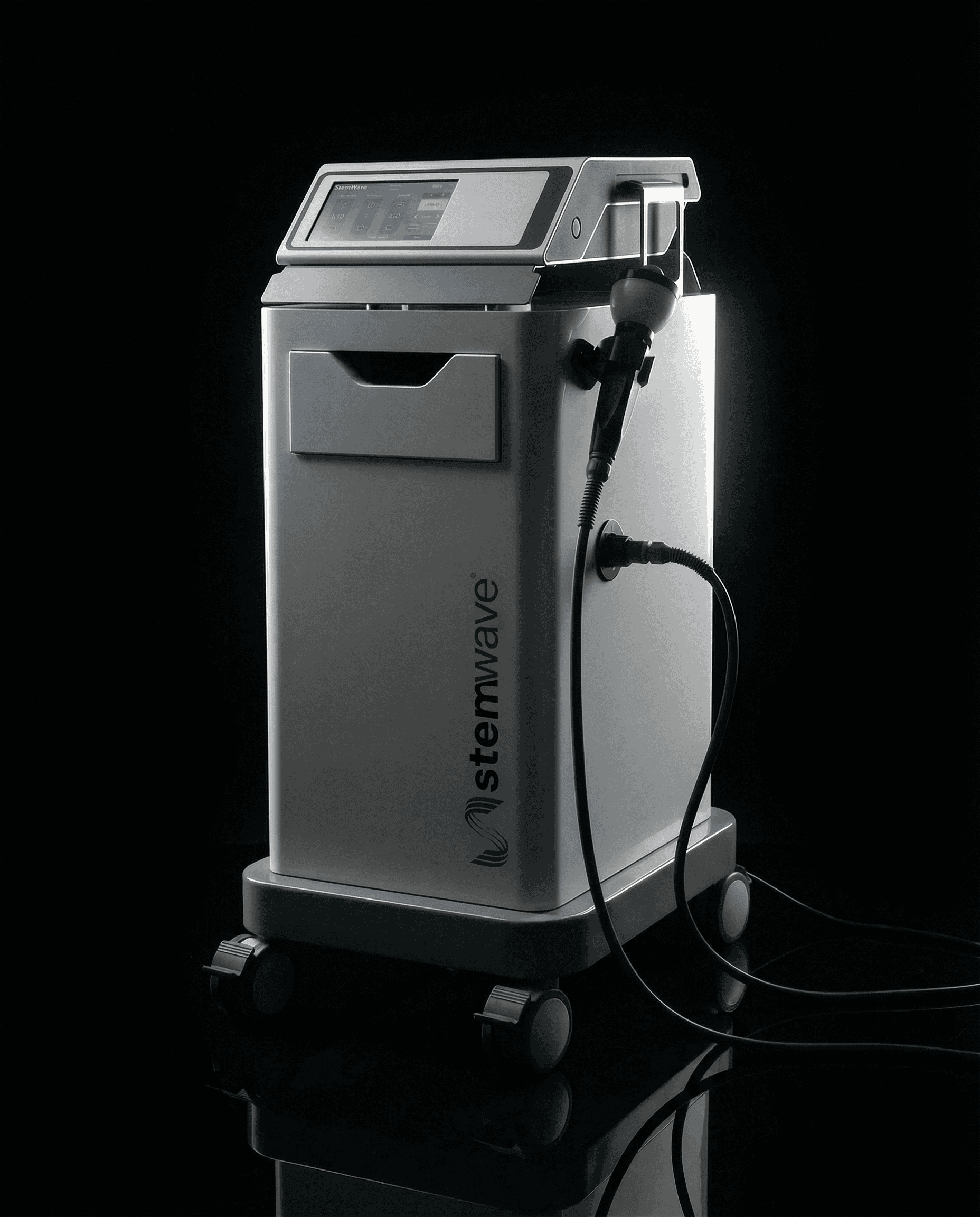
That’s where StemWave comes in.
Read more


"/><stop offset="1" stop-color="rgba(120, 120, 120, 0)"/></linearGradient></defs><path d="M 3.5 0 C 5.433 0 7 1.567 7 3.5 C 7 5.433 5.433 7 3.5 7 C 1.567 7 0 5.433 0 3.5 C 0 1.567 1.567 0 3.5 0 Z" fill="url(%23Yb_LPHN9p-114151446-linear-gradient)" height="7px" id="Yb_LPHN9p" transform="translate(1 1)" width="7px"/></svg>)

Everything you need to know about cutting edge medical device.
