
2025 Shockwave Therapy Market Report for Private Practices
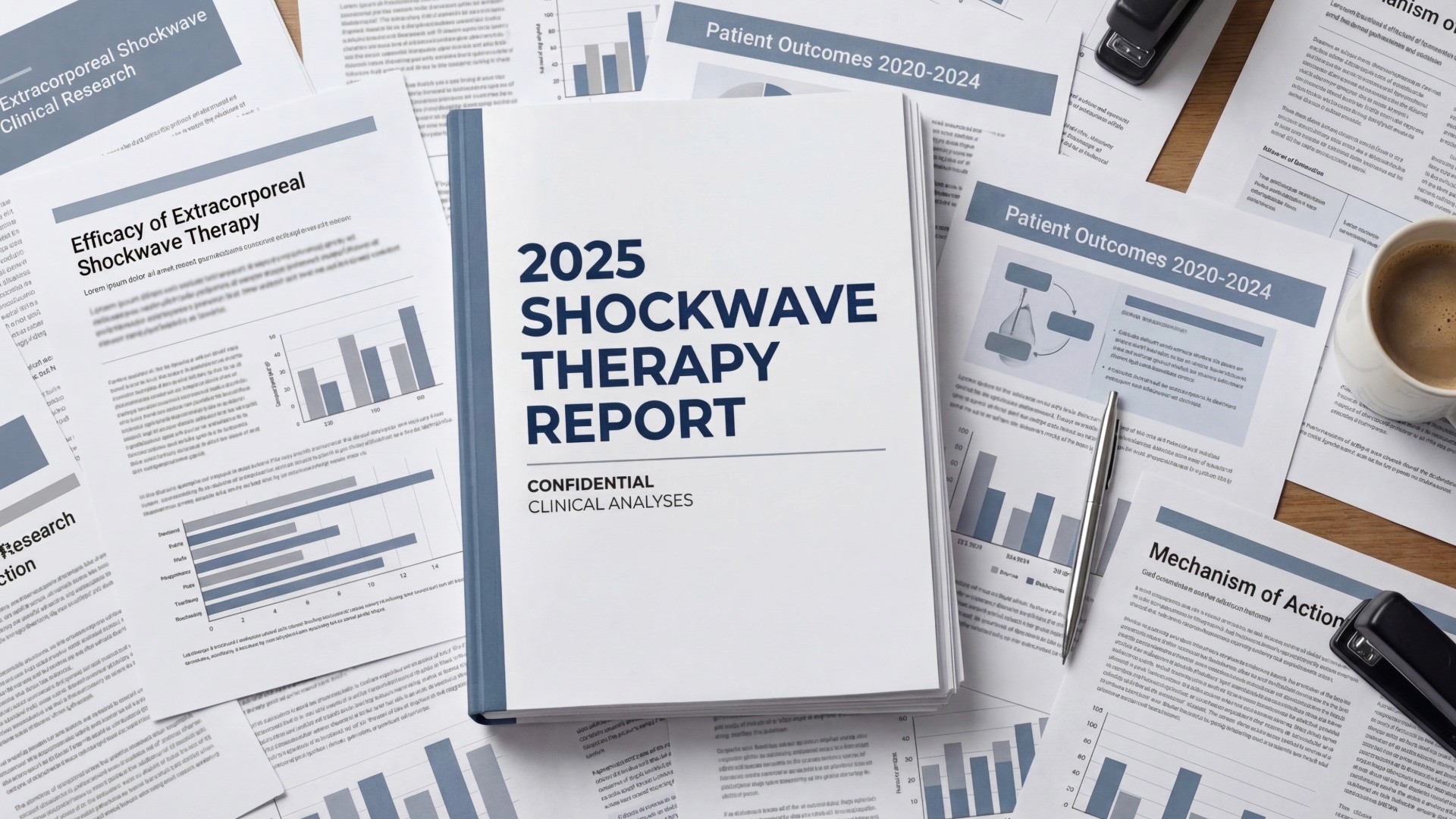
The Rise of Shockwave Therapy in Private Practice
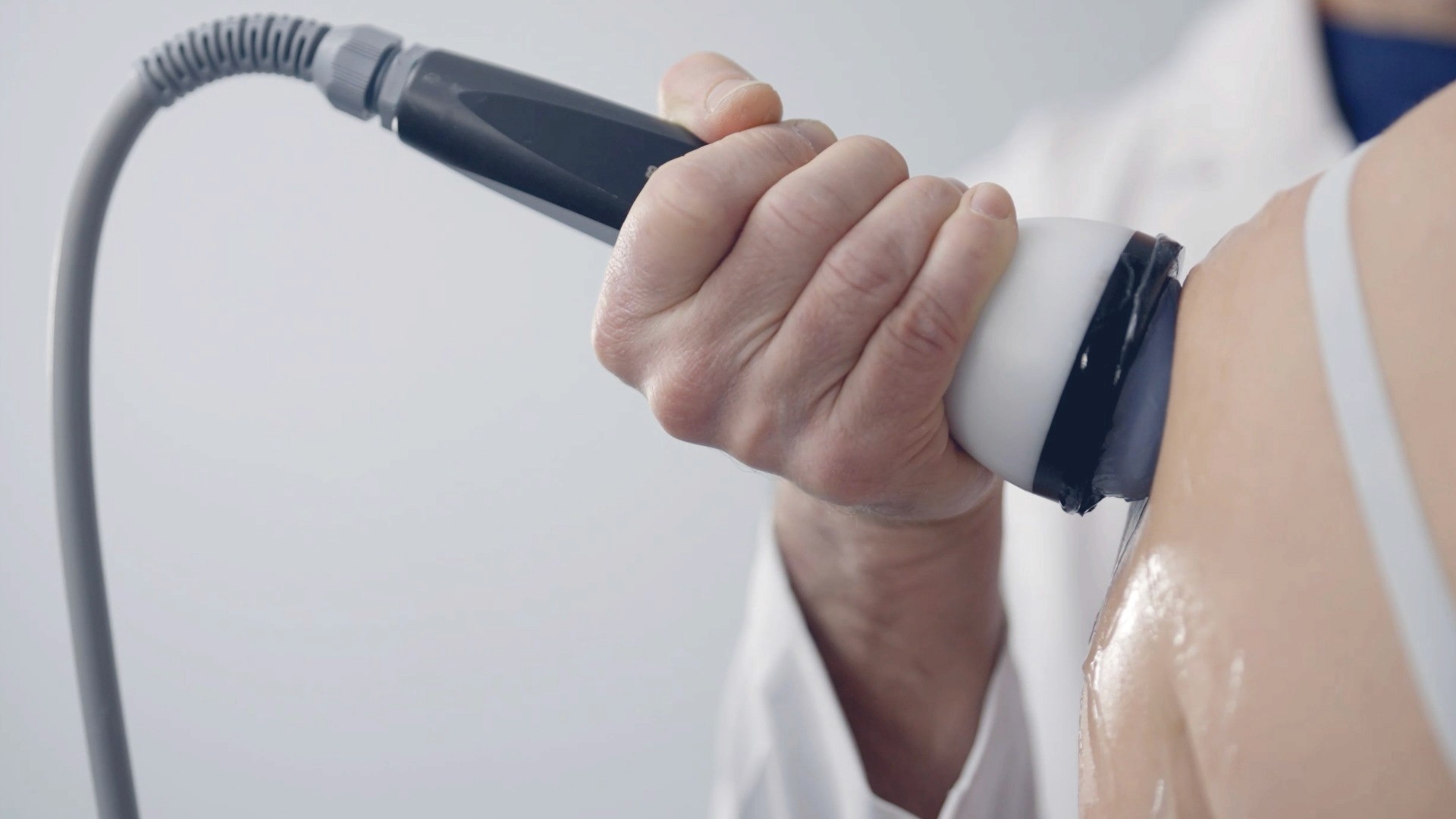
Shockwave therapy has emerged as a transformative solution in private healthcare, gaining significant momentum among chiropractors, physical therapists, and pain management professionals. As clinicians move away from invasive procedures, opioid-based pain management, and prolonged recovery timelines, the demand for regenerative, drug-free alternatives has grown exponentially. Among these, shockwave therapy stands at the forefront.
This surge in interest has been driven by compelling clinical outcomes and a growing body of research highlighting the benefits of Extracorporeal Shockwave Therapy (ESWT) in musculoskeletal and orthopedic medicine. Patients who previously relied on cortisone injections, anti-inflammatory medications, or surgery are now finding sustainable, non-invasive relief.
However, with growing popularity comes a surge in misinformation. The term “shockwave” is now frequently—and often incorrectly—used by manufacturers to describe a wide range of devices that do not meet the clinical, physical, or biological criteria of true ESWT. Many of these devices deliver low-energy mechanical pressure waves or superficial acoustic pulses, falling short of the regenerative power needed for long-term tissue healing. The result is a chaotic marketplace filled with misrepresentation and unmet expectations.
Clinicians aiming to elevate their standard of care must be equipped with accurate, science-based information. Selecting the wrong technology can lead to poor clinical outcomes, wasted investments, and diminished trust from patients. (https://stemwave.com/blog/how-acoustic-wave-therapy-compares-to-laser-and-ultrasound-complete-analysis/)
In this report, we will demystify the landscape by examining the four primary technologies marketed to private practices:
Radial Pressure Wave (RPW)
Electromagnetic
Piezoelectric
Electrohydraulic
We will explore the physics, clinical mechanisms, and therapeutic outcomes of each. Most importantly, we will demonstrate why only electrohydraulic shockwave qualifies as true ESWT—delivering the deep, focused, and biologically effective therapy your patients need and your clinic deserves.
The Mistake Buyers Often Make
How Mistruths in the Market Lead to Poor Investments and Poor Patient Outcomes
For most clinic owners, the journey to adopting shockwave therapy begins with one motivation: they want to offer their patients faster healing, less pain, and better outcomes. But the path is full of pitfalls. What should be a straightforward clinical decision is often derailed by clever marketing, buzzwords, and a lack of transparency around what truly qualifies as Extracorporeal Shockwave Therapy (ESWT).
Unfortunately, many practitioners are not just misled—they’re misinformed.
These pseudo-shockwave devices are often:
Labeled as “shockwave,” but only delivers mechanical vibration or low-energy acoustic waves with no regenerative impact
Marketed at a lower price point, making them appear more accessible to practices trying to avoid a capital investment
Promoted using overstated clinical claims, often based on internal case studies or outdated references with no peer-reviewed validation
The consequences of these purchases are more than just financial—they’re clinical:
Clinics unknowingly use tools that offer minimal or short-term symptom relief, failing to address the root causes of injury or degeneration
Patient trust is eroded as outcomes do not meet the expectations set during the consultation process
Providers become discouraged, assuming the problem lies in the modality itself when in fact, the issue was choosing the wrong technology from the start
Over time, this leads to missed revenue opportunities, lost patient referrals, and a stalling of clinical innovation within the practice.
The harsh reality? Not all “shockwave” is created equal. Understanding the true differences in energy delivery, biological mechanisms, and clinical results between these devices is not just a matter of preference—it’s a matter of integrity, patient care, and long-term success for your clinic.
Radial Pressure Wave (RPW)
Overview: RPW devices generate mechanical pulses using air compression. A projectile is fired within a barrel to strike an applicator tip, which sends radial waves into the body.
Misconceptions: RPW is often labeled as “shockwave” therapy. While it does generate waveforms, the energy disperses radially and superficially—unlike true shockwaves, which focus deeply and deliver high peak pressures.
Why It’s Not True ESWT:
Lacks a Focal Point and Lower Energy Density: Unlike true shockwaves, RPW devices emit energy that spreads out in all directions (radially) rather than concentrating on a specific focal point. This results in significantly diluted energy upon tissue contact, meaning it lacks the depth and power to trigger biological changes required for tissue regeneration.
Substantially Lower Peak Pressure: RPW generates peak pressures of only around 0.1 MPa, which pales in comparison to the 10–100 MPa seen in true ESWT devices. This low pressure is inadequate to initiate cellular signaling cascades that lead to long-term healing.
No Cavitation Effect: True ESWT relies on the cavitation process—the creation of microscopic bubbles that expand and implode in tissue—to stimulate tissue repair, angiogenesis, and collagen production. RPW does not reach the energy threshold necessary to induce cavitation, making it ineffective for regenerative therapies.
Clinical Limitations:
Limited Use in Deep or Chronic Conditions: RPW lacks the ability to penetrate deep tissues, rendering it ineffective for treating conditions like chronic tendinopathies, plantar fasciitis, or delayed bone healing that require stimulation at the cellular level.
Better Suited for Temporary, Superficial Relief: While it may help reduce muscle tension or break up superficial adhesions, it should be classified more as a mechanical massage tool than a regenerative device.
Frequent Treatments, Poor Long-Term Gains: Because RPW fails to activate tissue healing pathways, patients often need repeated treatments with short-lived effects. This not only increases operational costs but can lead to patient frustration and loss of trust if improvements are not sustained.
Supporting Research:
Speed C, et al. (2014): Highlighted the limited therapeutic depth and efficacy of RPW compared to focused shockwave systems.
Haupt G. (1997): Concluded that RPW’s mechanical effects were useful only for temporary pain modulation, not for stimulating long-term tissue healing.
Electromagnetic
Overview: Electromagnetic devices use a magnetic coil to accelerate a metal membrane, creating acoustic waves that are transmitted into the body. These waves are sometimes categorized as “focused” due to their directional energy delivery, but they fundamentally differ in intensity, penetration, and therapeutic mechanism from electrohydraulic systems.
Misconceptions: The term “focused” has been used by manufacturers to suggest equivalency to electrohydraulic ESWT. However, electromagnetic energy produces lower peak pressures and lacks key physical properties—like true cavitation—that define ESWT. This creates confusion for practitioners who assume that all “focused” devices deliver the same regenerative potential.
Why It’s Not True ESWT:
Insufficient Energy Flux Density: Most electromagnetic systems produce less than 0.2 mJ/mm² of energy, far below the 0.3–0.6 mJ/mm² typically required for regenerative responses in musculoskeletal tissue. This low intensity often results in subtherapeutic outcomes.
Lacks Cavitation and Cellular Microtrauma: Cavitation is a biological trigger necessary for stem cell recruitment, blood vessel formation, and collagen remodeling. Electromagnetic waves are too weak to induce cavitation, which severely limits their regenerative capacity.
Poor Depth Consistency: Electromagnetic waves decay quickly with depth, limiting their effectiveness to superficial structures. This makes them unreliable for conditions requiring treatment of deep tissue or joint pathology.
Clinical Limitations:
Unpredictable Patient Responses: Due to the shallow penetration and low energy, outcomes vary widely, with some patients experiencing temporary relief and others seeing no benefit.
Limited Indications: These systems are generally ineffective for stubborn or calcific conditions like rotator cuff tendinopathy or plantar fasciitis, where higher energy is essential.
Higher Treatment Frequency: Lower efficacy often leads to increased session frequency, burdening both clinic scheduling and patient commitment without delivering superior outcomes.
Supporting Research:
Gerdesmeyer L, et al. (2002): Found that electromagnetic devices generated substantially less biological activity in tissues compared to electrohydraulic devices. Their study emphasized the clinical limitations of electromagnetic waveforms in initiating meaningful tissue regeneration.
Piezoelectric
Overview: Piezoelectric devices contain an array of crystals that contract and expand when subjected to electrical current. This deformation creates synchronous sound waves that converge on a focal point within the tissue. While known for precision, these devices lack the energy necessary for true tissue regeneration.
Misconceptions: Piezoelectric systems are often categorized under the umbrella of “shockwave therapy” due to their acoustic origin. However, the energy they deliver is minimal, and they fail to meet international criteria for ESWT in terms of pressure, energy density, and therapeutic outcomes.
Why It’s Not True ESWT:
Minimal Tissue Displacement: Piezoelectric waves transfer energy with pinpoint accuracy, but the amount of displacement or mechanical stress created in tissue is negligible. This limits the biological response.
Fails to Trigger Regeneration: Lacking in both pressure and cavitation, these systems are incapable of stimulating growth factors, inflammatory modulation, or extracellular matrix remodeling.
Sub-Threshold Energy Delivery: Even with perfect accuracy, the energy delivered typically ranges between 0.1–0.15 mJ/mm², insufficient to elicit the healing processes associated with true ESWT.
Clinical Limitations:
Precision Without Impact: Piezoelectric devices can be helpful in sensitive anatomical regions due to their precision, but they underperform in broader or deeper pathologies where energy intensity is required.
Lack of Reliable Clinical Results: Studies frequently report mild or inconsistent benefits. Few trials have demonstrated long-term regenerative results.
Not Viable for Musculoskeletal Care: Although sometimes used in aesthetic or dermatological procedures, piezoelectric systems fail to deliver the outcomes expected in orthopedic and rehabilitative care settings.
Supporting Research:
Ogden JA, et al. (2001): Concluded that piezoelectric devices may have a role in minor soft tissue applications, but their lack of energy density precludes them from being classified as effective ESWT tools for musculoskeletal care.
Electrohydraulic ESWT
Overview: Electrohydraulic shockwave therapy represents the most scientifically validated and therapeutically powerful form of Extracorporeal Shockwave Therapy. Developed from the technology used in kidney stone lithotripsy, electrohydraulic devices generate a high-energy acoustic pulse via an underwater spark discharge. This pulse creates a cavitation bubble that collapses, forming a focused shockwave that can penetrate deep into musculoskeletal tissues and trigger biological repair mechanisms.
Why It Passes the Test:
Unmatched Peak Pressure: Electrohydraulic systems can generate shockwaves with peak pressures reaching up to 100 megapascals (MPa), significantly higher than any other form of ESWT. This energy threshold is essential for initiating mechanotransduction—turning mechanical force into a cellular healing response.
True Cavitation Effect: The violent implosion of microbubbles in tissue—a phenomenon called cavitation—is unique to high-intensity ESWT and is central to stimulating neovascularization, promoting local immune responses, and encouraging the release of growth factors. These effects are foundational to tissue regeneration and are not observed with low-intensity or pseudo-ESWT devices.
Deep, Focused Penetration: With the ability to reach depths of 10–12 cm, electrohydraulic shockwaves can effectively treat conditions located within deep muscle bellies, joint capsules, or near bone surfaces—locations that radial, electromagnetic, and piezoelectric devices fail to impact meaningfully.
Clinical Advantages:
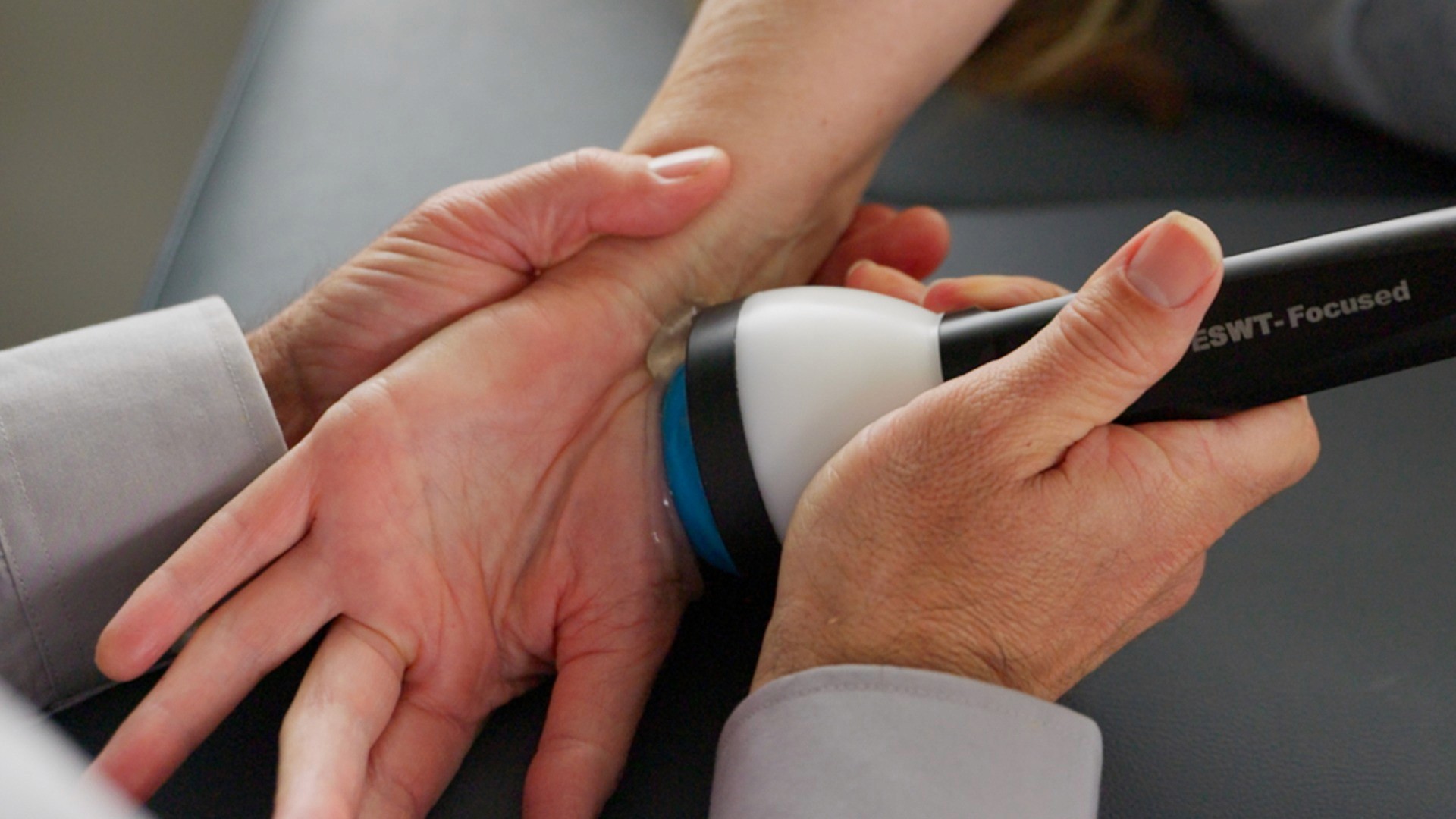
Versatile Clinical Applications: Electrohydraulic ESWT is used to treat a wide array of musculoskeletal conditions, including chronic tendinopathies (Achilles, patellar, rotator cuff), plantar fasciitis, lateral epicondylitis, and even non-healing bone fractures. Its application in regenerative medicine is supported by numerous randomized controlled trials and meta-analyses.
Fast, Measurable Outcomes: Unlike lower-energy devices that require 6–10 sessions, electrohydraulic ESWT often delivers significant relief in just 1–3 treatments. This not only enhances patient satisfaction but also improves clinic throughput and perceived value.
Biological Pathway Activation: It stimulates a cascade of regenerative signals including the upregulation of eNOS (endothelial nitric oxide synthase), VEGF (vascular endothelial growth factor), and PCNA (proliferating cell nuclear antigen), which are critical for angiogenesis and tissue repair.
Electrohydraulic technology embodies the very definition of ESWT in every measurable way: physical wave characteristics, biological effects, clinical outcomes, and patient satisfaction. For any clinic serious about delivering transformative healing, this is the benchmark.
Supporting Research:
Wang CJ (2012): Published in Chang Gung Med J, his review of ESWT concluded that electrohydraulic systems demonstrated the greatest efficacy in chronic musculoskeletal conditions and showed statistically significant improvements in pain and function.
Vulpiani MC et al. (2007): In a comparative study of different shockwave devices, electrohydraulic shockwave therapy consistently outperformed radial and electromagnetic systems, particularly in long-term patient-reported outcomes.
Notarnicola A & Moretti B (2012): Their systematic review emphasized that electrohydraulic shockwaves produced higher rates of tissue regeneration and symptom resolution than alternative shockwave technologies.
Making the Right Choice in a Crowded Market
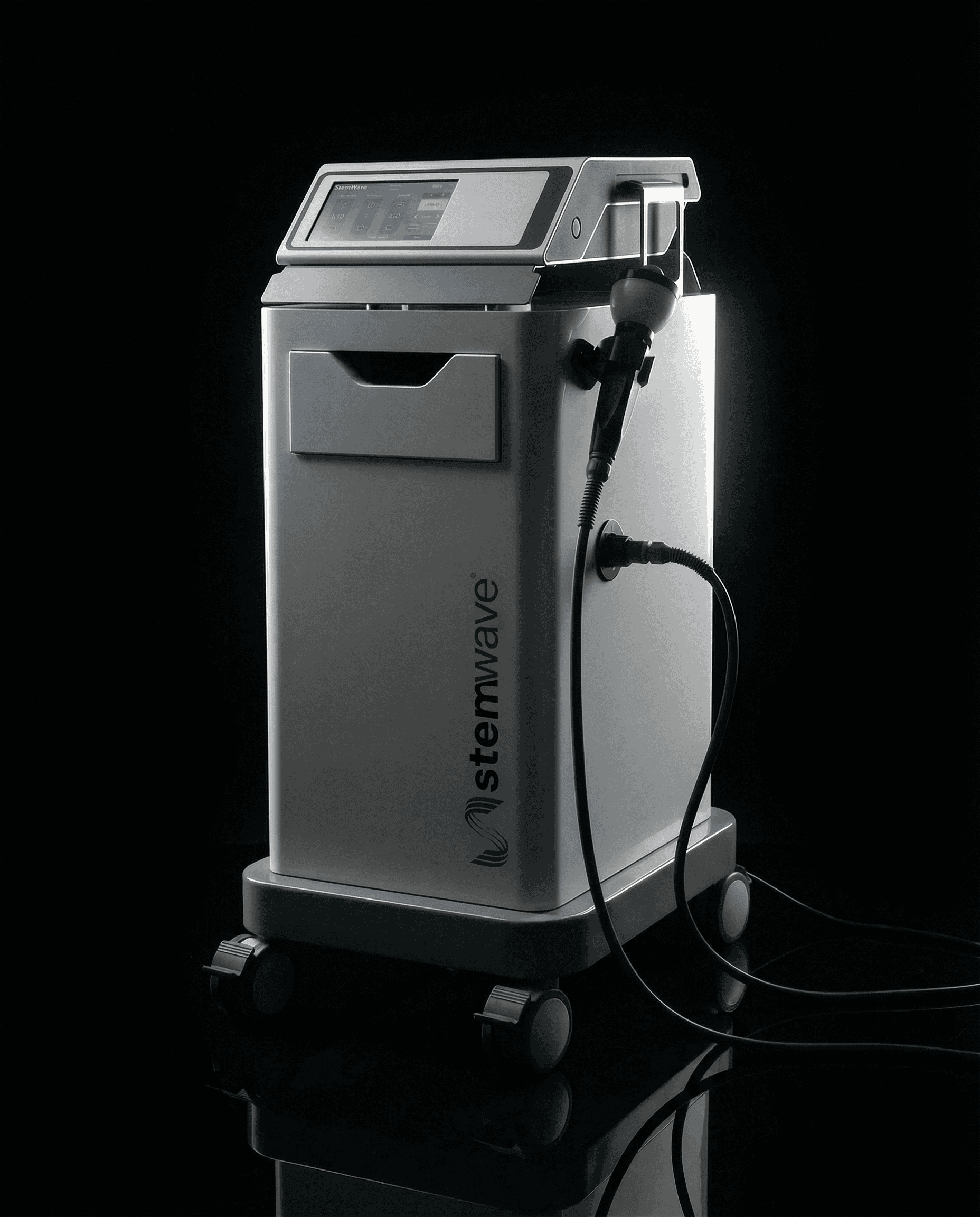
StemWave’s Electrohydraulic Cellular Response Technology (CRT+):
Engineered for Precision: StemWave’s CRT+ utilizes the most advanced spark-gap electrohydraulic technology, delivering high-pressure waves capable of penetrating deep into tissue and triggering biological repair mechanisms.
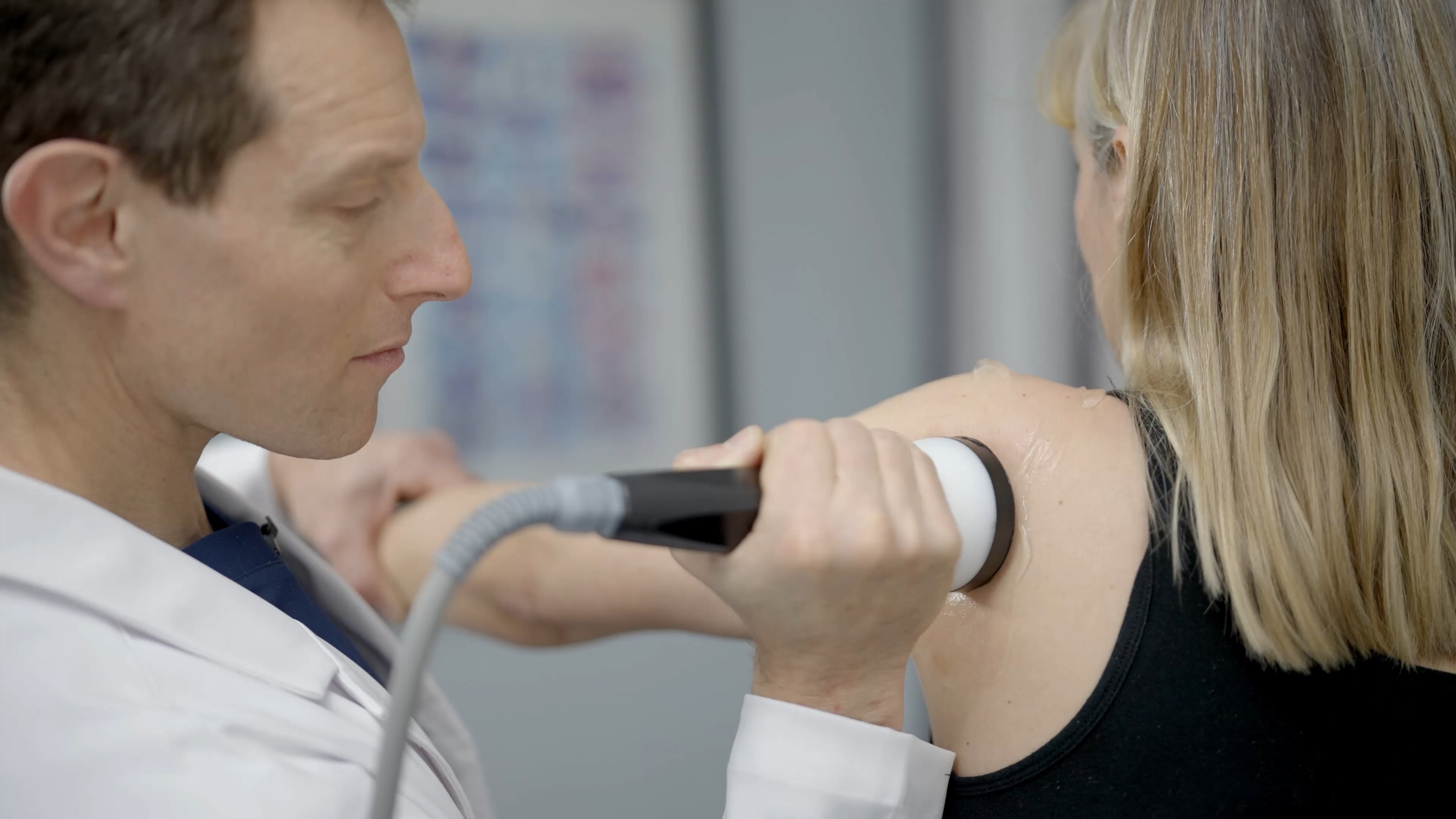
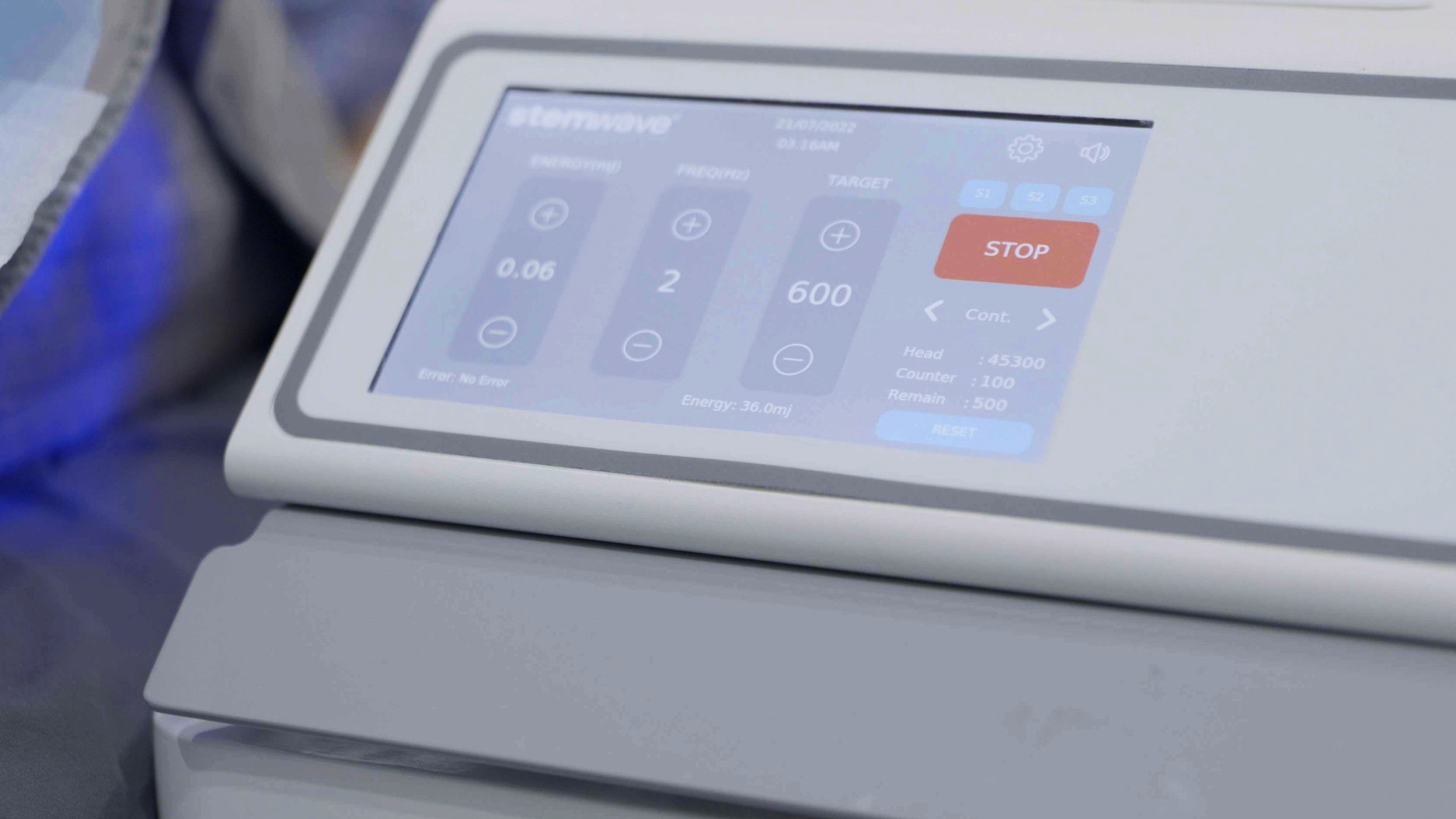
Precise Treatment Delivery: With adjustable energy settings and ergonomic applicators, StemWave allows clinicians to target a wide range of conditions and patient profiles.
Industry Leading Clinical Outcomes: Clinical users report high patient satisfaction and measurable improvements after just a few sessions, especially in cases where conventional therapies have failed. This enhances patient loyalty and reputation in the local community.
Marketing & Practice Growth Support:
Done-for-You Marketing Materials: StemWave provides branded patient education brochures, in-office displays, testimonial templates, and digital content libraries that reduce the burden of marketing for busy clinicians.
Automated Lead Generation Campaigns: Partner clinics receive access to professionally managed Facebook and Instagram campaigns that generate leads using proven ad strategies. These campaigns are customized and optimized to bring in high-intent patients interested in innovative, non-invasive care.
Training & Onboarding Concierge: From clinical application to front desk scripting, StemWave offers one of the most robust onboarding programs in the industry. A concierge team helps staff integrate the device into the clinic’s daily flow while ensuring confidence in delivering results.
Real-World Impact:
Clinics using StemWave consistently report monthly revenue increases between $5,000–$25,000.
Patients not only return for repeat care but often refer friends and family due to the uniqueness and effectiveness of the treatment.
Practices stand out in crowded markets by offering a premium modality with strong clinical credibility. StemWave is backed by a team of clinical advisors from different practices across the country.
Special Offer: $0 Upfront, 60-Day Risk-Free Trial
StemWave requires no upfront investment. Clinics can evaluate the technology and its impact without financial pressure or long-term commitment.
The Goal is Clear for Private Practices
If you’re a chiropractor, physical therapist, or medical doctor seeking a way to offer more impactful results to your patients while elevating your clinic’s reputation and revenue, now is the time to act. The shockwave therapy landscape is full of misleading claims and watered-down technologies—but the truth is clear: Electrohydraulic ESWT stands above the rest.
In a crowded market, it’s become increasingly imperative that providers start investing in the future–for both their practice and their patients. With the right investment, you’ll be able to:
Position yourself as the go-to regenerative care provider in your market
Build a reputation around innovation and clinical excellence
Grow your revenue predictably and sustainably, month after month
Cut through the noise. Deliver lasting results. Grow with confidence.
Read more


"/><stop offset="1" stop-color="rgba(120, 120, 120, 0)"/></linearGradient></defs><path d="M 3.5 0 C 5.433 0 7 1.567 7 3.5 C 7 5.433 5.433 7 3.5 7 C 1.567 7 0 5.433 0 3.5 C 0 1.567 1.567 0 3.5 0 Z" fill="url(%23Yb_LPHN9p-114151446-linear-gradient)" height="7px" id="Yb_LPHN9p" transform="translate(1 1)" width="7px"/></svg>)

Everything you need to know about cutting edge medical device.
