
Physics & Technology: The Science Behind StemWave®
Understanding the acoustic principles and mechanotransduction science that enable unlimited clinical potential

Why Physics Matters in Clinical Outcomes
Shockwave therapy is often discussed in terms of indications or results. But outcomes are ultimately determined by physics — how energy is generated, controlled, delivered, and translated into biological response.
StemWave® was designed from first principles around this idea: Clinical versatility is a direct function of energy precision, repeatability, and biological signaling control.
To understand why one device can support over 150 treatment zones and a range of clinical applications, it is necessary to understand the underlying physics of shockwaves, their interaction with tissue, and how modern acoustic systems translate mechanical energy into cellular response.
What Is a Shockwave?
A shockwave is a non-periodic, high-amplitude acoustic pressure wave characterized by:
Steep Pressure Rise
Nanosecond-scale rise time
High Peak Pressure
Often followed by a tensile (negative) phase
Broad Frequency Spectrum
Unlike harmonic ultrasoundUnlike harmonic ultrasound
Single-Pulse Nature
Rather than continuous oscillation
Unlike ultrasound, which relies on repetitive sinusoidal waves primarily for imaging or thermal effects, shockwaves deliver mechanical energy impulsively, allowing them to propagate through heterogeneous biological tissues with minimal attenuation.
This unique physical profile enables shockwaves to induce mechanotransductive effects — converting mechanical forces into biochemical and cellular signaling responses.
Shockwaves vs. Ultrasound:
A Critical Distinction
Although both are acoustic modalities, shockwaves and ultrasound differ fundamentally:
Parameter
Shockwaves
Ultrasound
Waveform
Single impulse
Periodic
Pressure rise
Extremely steep
Gradual
Frequency
Broadband
Narrow-band
Thermal effects
Minimal
Can be significant
Primary mechanism
Mechanical signaling
Thermal + mechanical
Shockwaves are therefore uniquely suited for non-thermal tissue interaction, allowing repeated application without tissue heating or ablation when properly controlled.
Regulatory Notice
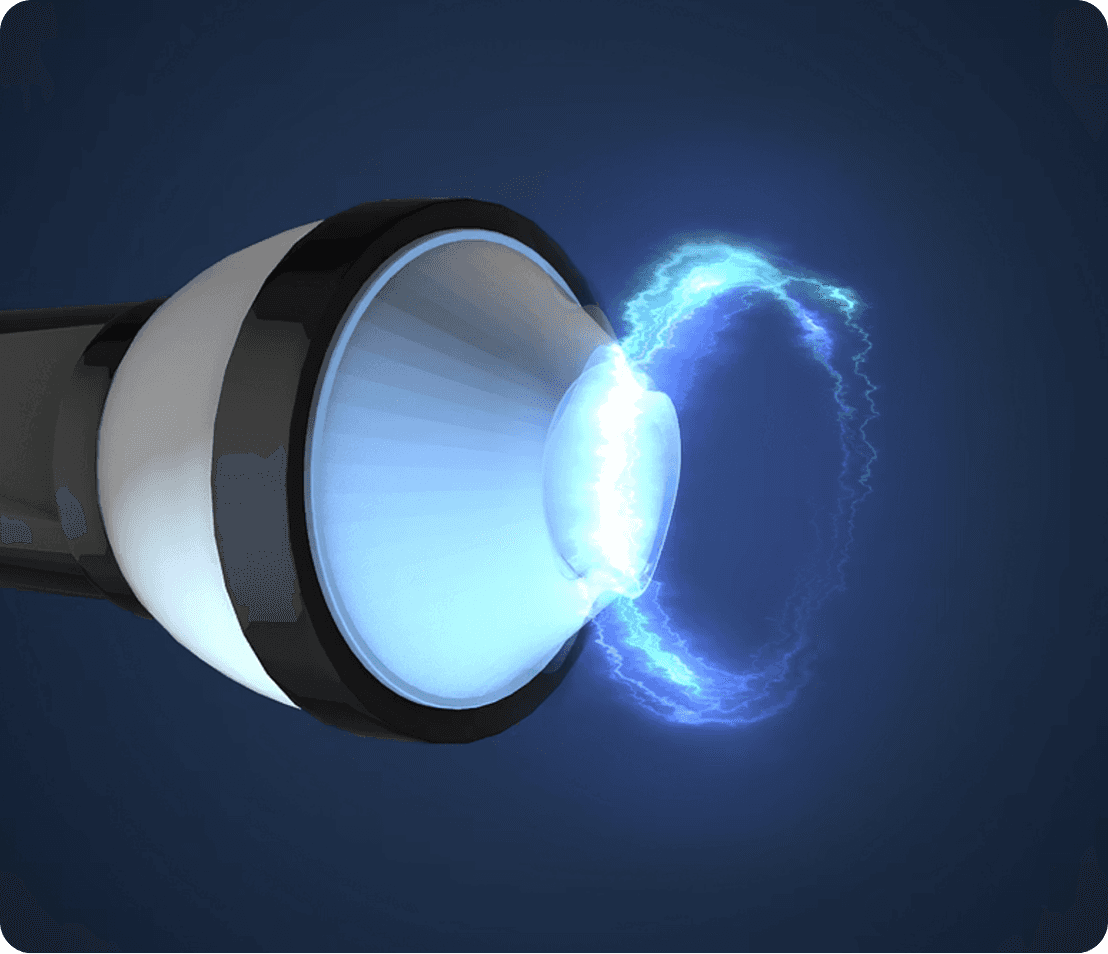
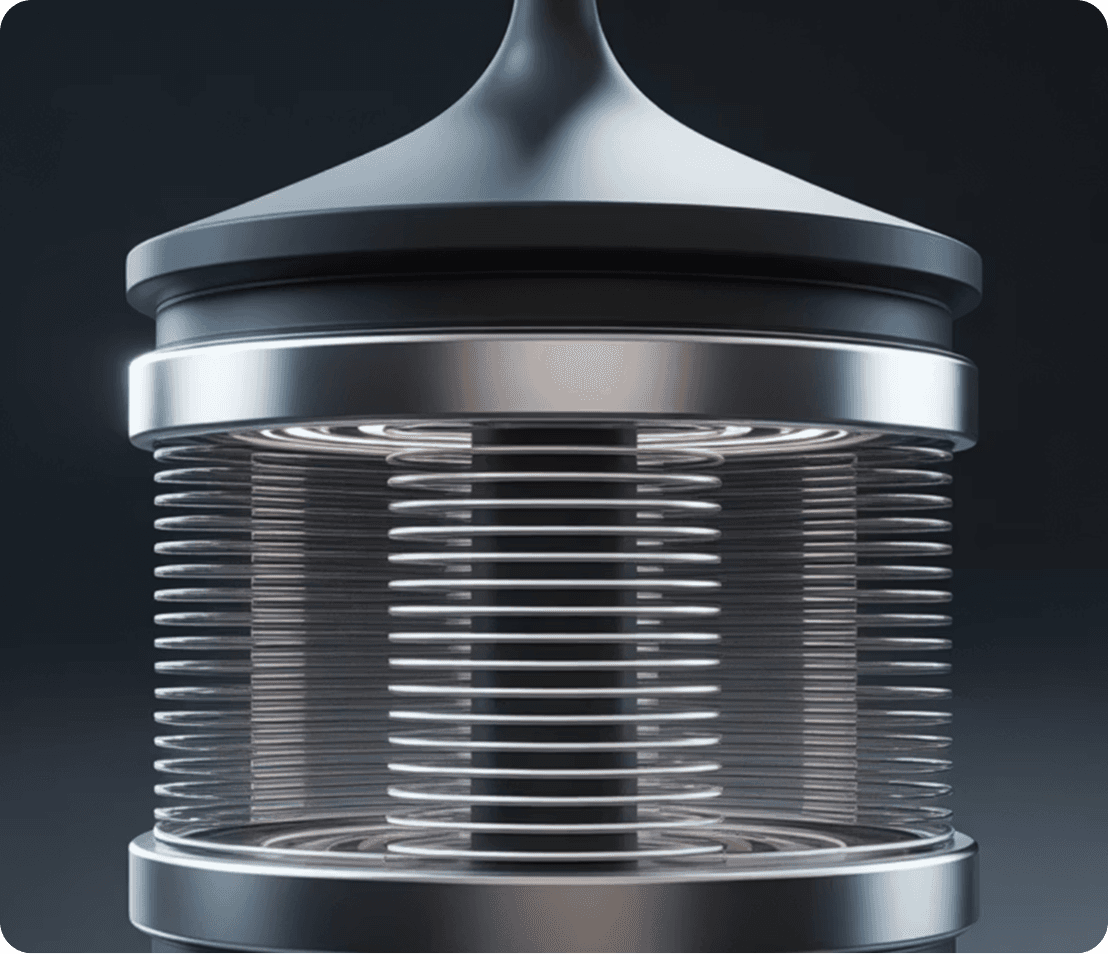
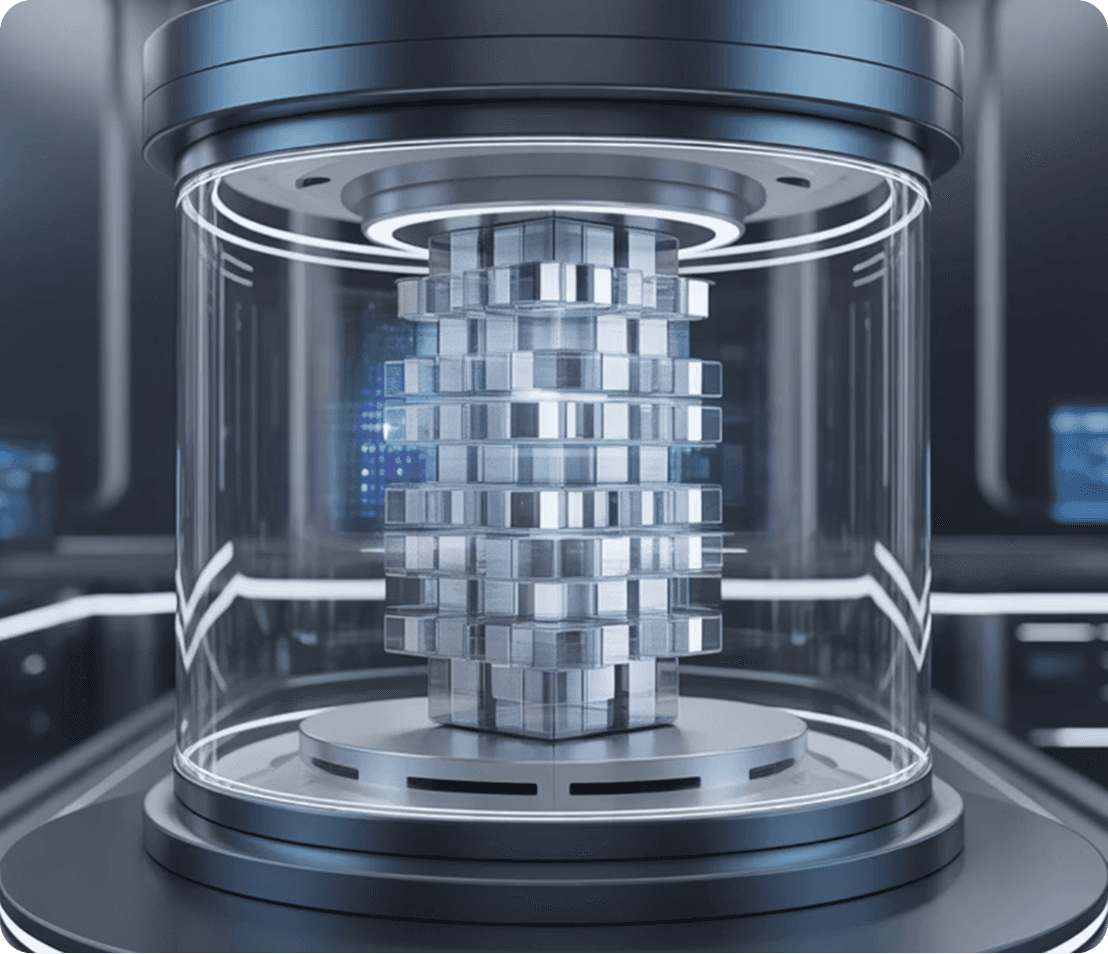
StemWave's PACE systems utilize controlled electrohydraulic shockwave generation, chosen for its reproducibility, precision, and scalability across treatment parameters.
vs
A critical distinction in acoustic therapy lies between focused shockwaves and radial pressure waves.
Focused Shockwaves
Radial Pressure Waves
Energy converges at a defined focal zone
Energy disperses radially from the applicator
Depth of focus is controllable
Highest energy at skin surface
Energy density is spatially concentrated
Rapid attenuation with depth
Enables interaction with deep and superficial structures
Primarily superficial mechanical stimulation
From a physics standpoint, focused shockwaves provide degrees of freedom. Depth, intensity, focal volume — that radial systems cannot. This additional control is what enables clinical adaptability across diverse anatomical regions and tissue types.
Energy Flux Density (EFD) and Dose Control
A critical distinction in acoustic therapy lies between focused shockwaves and radial pressure waves.
Energy per Unit Area
The energy delivered per unit area
Biological Stimulus Intensity
The biological stimulus intensity
Therapeutic Threshold
The threshold between signaling and tissue disruption
Precise EFD control allows clinicians to remain within therapeutic windows that stimulate cellular response without causing structural damage.
Shockwave Propagation in Biological Tissue
Biological tissue is acoustically heterogeneous, composed of interfaces with differing acoustic impedance (muscle, fascia, tendon, bone, vascular structures).
Shockwaves propagate through tissue by:


Rather than being absorbed as heat, shockwave energy is distributed mechanically, allowing it to influence tissue microenvironments at multiple depths simultaneously.
From Physics to Biology
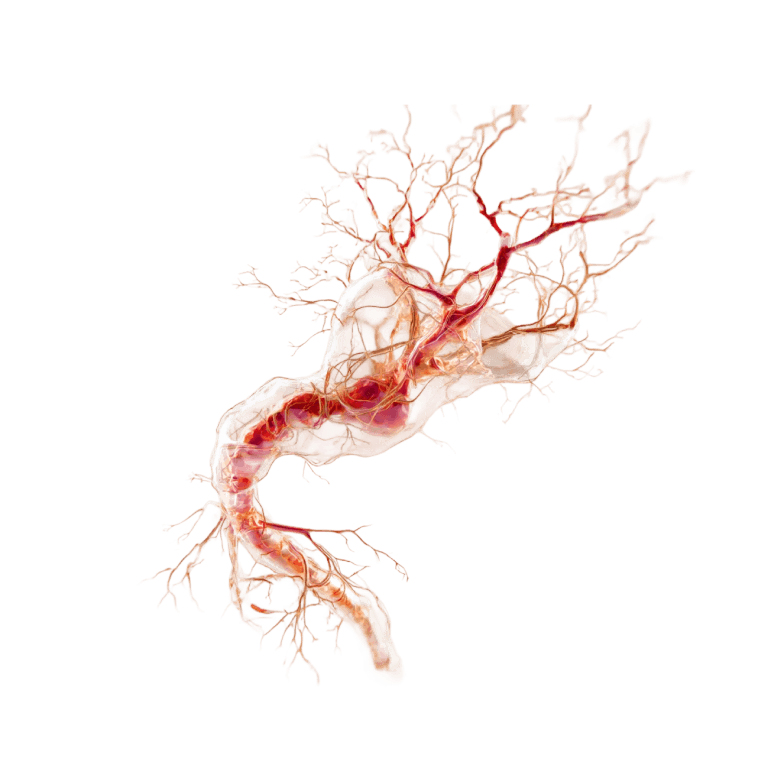
The therapeutic value of shockwaves lies in mechanotransduction the process by which mechanical forces are converted into biochemical signals.
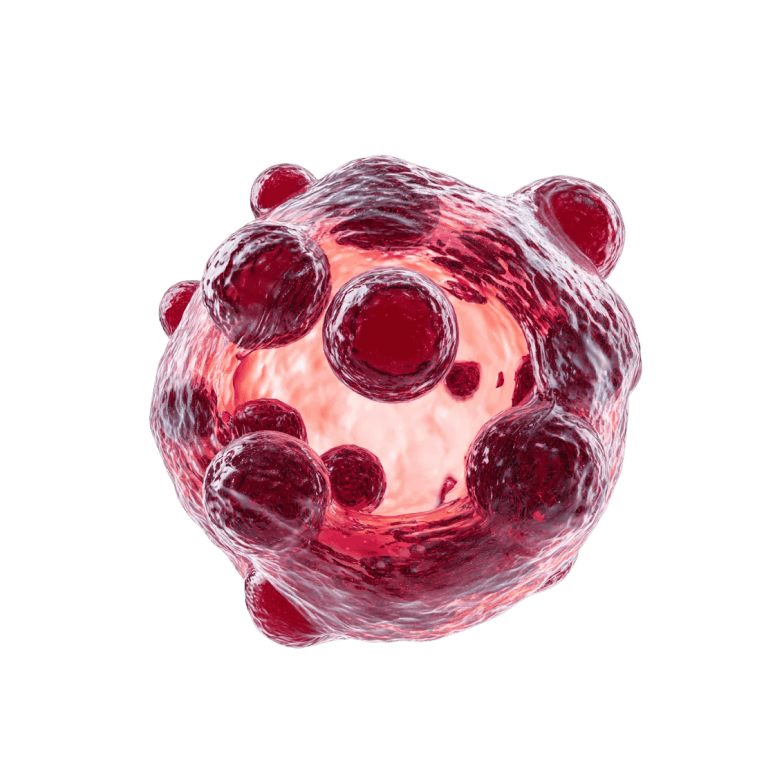
Cavitation and
Microenvironment Effects
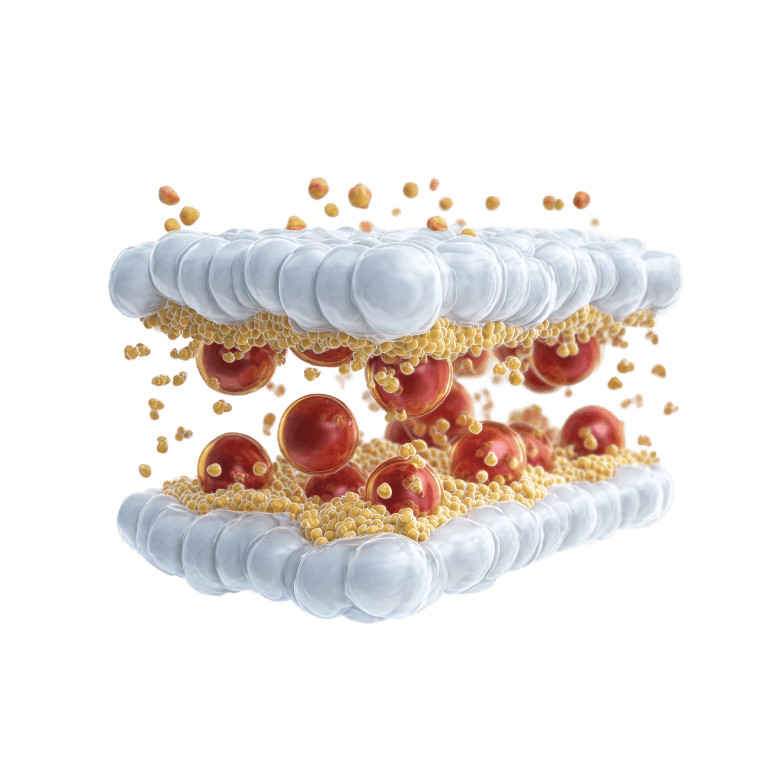
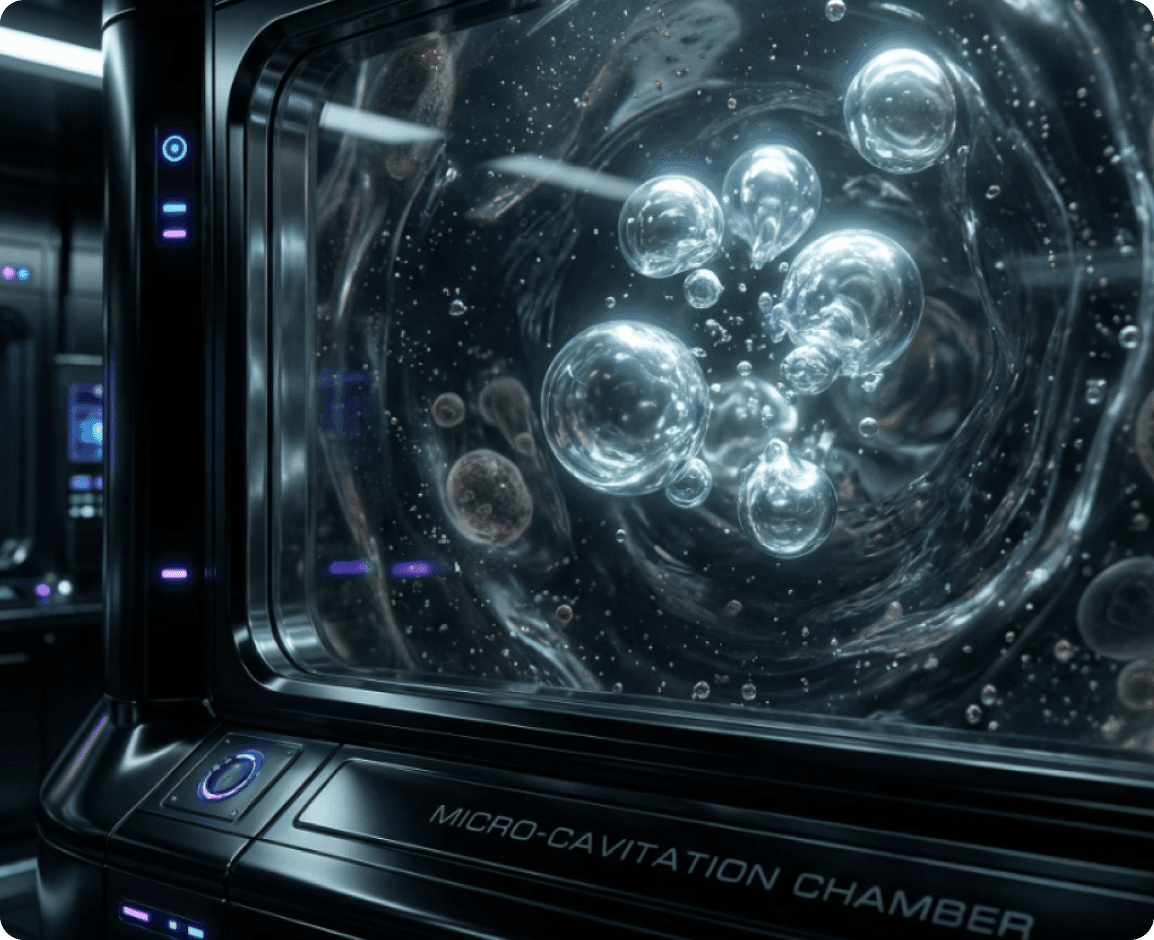
During the negative pressure phase of a shockwave, cavitation bubbles may form and collapse in fluid-rich tissues.
Controlled cavitation can:
FDA Classification: Class I
FDA Status: Listed
FDA Status: Listed
Importantly, therapeutic shockwave systems are engineered to operate below thresholds associated with uncontrolled tissue damage.
PACE® Technology:
Pulsed Acoustic Cellular Expression
PACE® Technology represents an evolution beyond shockwave generation alone. Rather than focusing solely on wave creation, PACE emphasizes:
Pulse Timing
Energy Consistency
Biological Signaling Optimization
Reproducibility Across Treatment Zones
PACE is designed to maximize cellular expression responses aligning mechanical input with known biological signaling mechanisms. This system-level control is what enables StemWave to function as a platform, not a single-indication device.
Clinical Versatility as a Physics Outcome
When energy delivery is:
Precisely controlled
Spatially configurable
Biologically tuned
The limiting factor is no longer the device, but clinical imagination and protocol design.
This is why a single StemWave platform supports:
Over 150 treatment zones
Multiple tissue depths
Diverse anatomical regions
Broad clinical disciplines
From a physics standpoint, this versatility is not incidental — it is a direct consequence of controllable acoustic energy delivery.
Safety Considerations and Non-Thermal Profile
Because shockwave therapy operates through mechanical rather than thermal mechanisms, it allows:
Short Treatment Times
Efficient sessions without prolonged exposure
Minimal Recovery Periods
Patients can resume activities quickly
Repeatable Sessions
Safe for multiple treatment cycles
Favorable Safety Profiles
When used according to labeling
As with all medical technologies, outcomes depend on appropriate training, dosing, and adherence to indicated use.
Conclusion
Shockwave therapy is not defined by waves alone, but by how intelligently energy is delivered and translated into biological response.
By grounding its design in acoustic physics, mechanotransduction science, and system-level control, StemWave transforms shockwave therapy into a scalable clinical platform — unlocking what we describe as Unlimited Clinical Potential.
References & Scientific Sources
This webpage provides educational information about the physics and technology underlying StemWave® shockwave therapy systems. For complete prescribing information, indications, contraindications, and safety information, please consult the device labeling and speak with a qualified healthcare professional.
Delius M, et al. Biological effects of shock waves: In vivo and in vitro experiments. Ultrasound Med Biol.
Wang CJ. An overview of shock wave therapy in musculoskeletal disorders. Chang Gung Med J.
Mariotto S, et al. Extracorporeal shock wave therapy in inflammatory diseases. J Biol Regul Homeost Agents.
FDA De Novo Classification Request DEN160037 – dermaPACE System
Ogden JA, et al. Shock wave therapy for musculoskeletal disorders. Clin Orthop Relat Res.
Haupt G. Use of extracorporeal shock waves in the treatment of pseudarthrosis, tendinopathy, and other orthopedic diseases. J Urol.
Holfeld J, et al. Shock wave therapy induces angiogenesis via VEGF. J Am Coll Cardiol
Everything you need to know about cutting edge medical device.
